


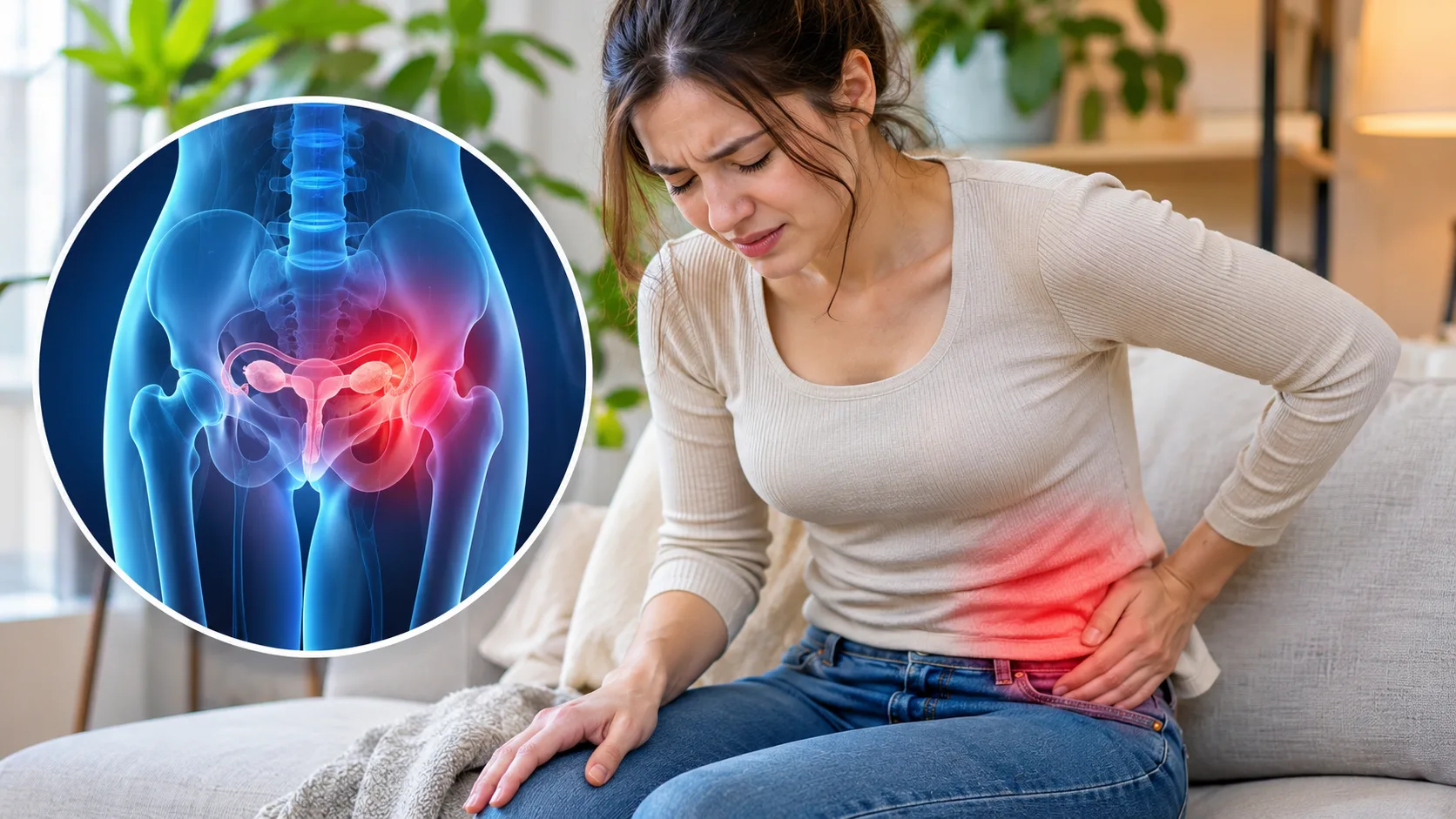
Left side pelvic pain is a common concern that can affect people of different ages. The discomfort may appear as a dull ache, sharp pain, pressure, or cramping in the lower left abdomen. Sometimes, the pain develops suddenly, while in other cases, it gradually increases over several days. Understanding the possible causes can help you recognize when medical attention is necessary.
Experiencing left side pelvic pain does not always indicate a serious health problem. Mild discomfort may result from digestive issues, muscle strain, or menstrual changes. However, persistent or severe pain can sometimes involve the reproductive organs, urinary system, or intestines. The location, duration, and accompanying symptoms provide important clues about the underlying cause.
This guide explains the common causes of left side pelvic pain, including symptoms in women and men, possible treatments, and warning signs. It also covers practical relief strategies and when to consult a healthcare professional for an accurate diagnosis.
What Is Left Side Pelvic Pain?
Left side pelvic pain refers to discomfort occurring in the lower left area of the abdomen or pelvis. This region contains parts of the digestive system, urinary tract, muscles, nerves, and reproductive organs. Pain may originate from one structure or spread from another nearby area. Identifying its exact source often requires evaluating additional symptoms.
Some people experience mild, occasional discomfort, while others develop persistent or intense pain. The sensation may feel like cramping, stabbing, pulling, or deep pressure. Certain movements, bowel habits, or menstrual changes can influence the discomfort. Understanding these patterns helps healthcare professionals identify possible causes and determine whether further testing is necessary.
Pelvic pain can be acute, meaning it begins suddenly, or chronic, meaning it continues or returns over several months. Both types deserve attention when symptoms affect everyday activities. Mild pain sometimes resolves without treatment, but recurring discomfort should not be ignored. A medical evaluation can help distinguish temporary problems from conditions requiring specific care.
Common Causes of Left Side Pelvic Pain
Several conditions can cause pain in the lower left pelvic region. Digestive problems, urinary tract conditions, reproductive disorders, and muscle injuries are common possibilities. The exact cause depends on factors such as age, medical history, and associated symptoms. Pain location alone cannot reliably identify which organ or tissue is responsible.
For example, constipation may produce cramping and pressure in the lower abdomen. Urinary infections can cause pelvic discomfort alongside burning urination or frequent bathroom visits. People with ovaries may experience pain related to ovulation or ovarian cysts. These conditions can produce similar sensations despite requiring different approaches to treatment.
Some causes are relatively mild, while others require urgent medical attention. Sudden severe pain, fever, vomiting, or unusual bleeding may indicate a more serious problem. Persistent symptoms also deserve professional assessment, even when discomfort is manageable. Understanding the possible causes helps people recognize important warning signs without making assumptions about their diagnosis.
Left Side Pelvic Pain in Women
Left side pelvic pain in women may be associated with menstrual cycles, ovarian conditions, or other reproductive health concerns. The left ovary and fallopian tube are located within the pelvic region. Problems affecting these structures can create discomfort on one side. However, digestive and urinary conditions can produce similar symptoms.
Menstrual cramps sometimes cause pain that feels stronger on the left side. Ovarian cysts may also produce pressure, aching, or occasional sharp discomfort. Endometriosis can cause recurring pelvic pain, particularly around menstruation. Because symptoms frequently overlap, medical evaluation may be needed to identify the actual cause.
Sudden severe one-sided pelvic pain should never be dismissed as ordinary menstrual discomfort. Conditions such as ovarian torsion or ectopic pregnancy can require emergency treatment. Unusual vaginal bleeding, fainting, or severe dizziness are additional warning signs. Seeking immediate medical care is especially important when pregnancy is possible or symptoms develop abruptly.
Left Side Pelvic Pain in Men
Left side pelvic pain in men may involve the urinary system, digestive tract, muscles, or reproductive structures. Conditions affecting the bladder, prostate, or surrounding tissues can cause discomfort in the pelvic region. Pain may also spread from the groin or lower abdomen. Identifying the source requires considering additional symptoms and physical findings.
Prostatitis, which involves inflammation of the prostate, can produce pelvic discomfort and urinary symptoms. Kidney stones may cause pain that travels from the back toward the groin. Constipation, hernias, and muscle strains are other possibilities. The intensity and location of discomfort can vary depending on the underlying condition.
Men experiencing persistent pelvic discomfort should consult a healthcare professional, particularly when urinary problems or fever occur. Sudden testicular pain may signal testicular torsion, a medical emergency requiring immediate assessment. Pain accompanied by vomiting or significant swelling also deserves urgent attention. Early diagnosis helps prevent delays in treating serious conditions.
Ovarian Cysts and Left Side Pelvic Pain
Ovarian cysts are fluid-filled sacs that can develop inside or on the surface of an ovary. Many cysts form during normal menstrual cycles and disappear without treatment. However, larger or complicated cysts can cause pelvic discomfort. When the left ovary is affected, pain may be more noticeable on the left side.
Symptoms may include a dull ache, pelvic pressure, or discomfort during certain activities. Some people also experience bloating or changes in their usual menstrual symptoms. A cyst that ruptures can cause sudden pain, although not every rupture results in serious complications. The severity depends on factors such as bleeding and the type of cyst.
Healthcare professionals may use pelvic ultrasound to evaluate suspected ovarian cysts. Treatment depends on cyst characteristics, symptoms, and individual health circumstances. Some cysts require only observation, while others need additional medical management. Sudden intense pain, faintness, or severe weakness should prompt emergency assessment because bleeding or ovarian torsion may be involved.
Ovulation Pain and Menstrual Cramps
Ovulation pain, sometimes called mittelschmerz, occurs around the middle of the menstrual cycle. It may cause mild discomfort on one side of the lower abdomen. The pain can occur on the left when the left ovary is involved. Some people notice it regularly, while others experience it only occasionally.
Ovulation discomfort may feel like a dull ache or brief sharp sensation. It often lasts from several minutes to a day or two. Menstrual cramps, by comparison, usually occur around the beginning of a period and may affect a wider pelvic area. Tracking symptoms alongside menstrual dates can help identify recurring patterns.
Mild cycle-related discomfort may improve with rest, warmth, or appropriate pain relief. However, severe or unfamiliar pain should not automatically be attributed to ovulation. Pregnancy-related complications, infections, and ovarian problems can produce overlapping symptoms. A healthcare professional can investigate persistent pain or significant changes in normal menstrual patterns.
Endometriosis and Chronic Pelvic Discomfort
Endometriosis occurs when tissue similar to the uterine lining grows outside the uterus. This condition can cause inflammation, pain, and sometimes fertility-related difficulties. Discomfort may involve one or both sides of the pelvis. Symptoms often become more noticeable around menstruation, although pain can occur at other times.
People with endometriosis may experience painful periods, discomfort during bowel movements, or persistent lower abdominal pain. Some also notice fatigue or pain associated with certain activities. The severity of symptoms does not always reflect the extent of the condition. Mild disease can cause significant discomfort, while extensive disease may produce fewer symptoms.
Diagnosis may involve medical history, examination, imaging, and sometimes additional procedures. Treatment options include hormonal medications, pain management, and selected surgical approaches. The best plan depends on symptoms and personal health priorities. Anyone experiencing recurring pelvic pain that interferes with daily life should seek assessment rather than accepting persistent discomfort as normal.
Digestive Problems That Cause Left Pelvic Pain
Digestive conditions are another common reason for left side pelvic pain. The lower left abdomen contains part of the large intestine, including the sigmoid colon. Constipation, trapped gas, and certain bowel disorders can cause discomfort in this area. Symptoms may change after eating or having a bowel movement.
Constipation can cause pressure, bloating, and cramping when stool moves slowly through the intestines. Irritable bowel syndrome may also produce recurring abdominal pain associated with changes in bowel habits. Some people experience diarrhea, constipation, or both. However, these symptoms alone cannot confirm a specific digestive condition.
Diverticulitis is another possible cause, particularly in adults, and often produces pain in the lower left abdomen. Fever, nausea, and changes in bowel habits may occur alongside discomfort. Suspected diverticulitis requires medical assessment because complications are possible. Severe abdominal pain, persistent vomiting, or a rigid abdomen should receive urgent attention.
Urinary Tract Infections and Kidney Stones
Urinary tract infections can cause discomfort in the lower abdomen or pelvic region. These infections often involve the bladder and may produce pressure or aching. Additional symptoms include burning during urination, frequent bathroom visits, and an urgent need to urinate. The pain may not remain limited to one side.
Kidney stones can also cause pain that spreads toward the lower abdomen or groin. The discomfort may arrive in waves and become extremely intense. Some people experience nausea, vomiting, or blood in the urine. Stones and urinary infections require different treatment approaches, making an accurate diagnosis important.
A healthcare professional may recommend urine testing and imaging based on the symptoms. Bacterial urinary infections often require prescribed antibiotics, while kidney stone management depends on size and location. Fever with back or side pain may indicate a kidney infection or an infected obstruction. These symptoms require urgent medical attention.
Left Side Pelvic Pain During Pregnancy
Pelvic discomfort during pregnancy can result from several changes occurring in the body. Growing tissues, ligament stretching, and digestive changes may contribute to mild pain. Some discomfort is temporary and improves with position changes or rest. However, one-sided pelvic pain during pregnancy deserves careful attention because serious complications are possible.
Ectopic pregnancy occurs when a pregnancy develops outside the uterus, most commonly within a fallopian tube. It may cause one-sided pelvic pain, vaginal bleeding, or dizziness. Symptoms can develop before someone realizes they are pregnant. A positive pregnancy test with pelvic pain should prompt urgent medical assessment to exclude this dangerous condition.
Anyone who is pregnant or could be pregnant should seek immediate emergency care for severe pelvic pain, fainting, shoulder-tip pain, or heavy bleeding. These symptoms can indicate internal bleeding or another emergency. Even mild but persistent one-sided pain warrants timely professional advice. Avoid self-diagnosing pregnancy-related pelvic discomfort.
Muscle Strain and Pelvic Floor Problems
Muscles and connective tissues surrounding the pelvis can also contribute to left-sided pain. Strains may develop after unusual physical activity, repetitive movements, or lifting. Discomfort can become more noticeable when walking, twisting, or changing positions. In some cases, the pain may feel similar to discomfort originating from internal organs.
Pelvic floor muscle dysfunction may cause aching, tightness, or pressure within the lower pelvis. Symptoms can sometimes accompany urinary urgency, constipation, or discomfort during certain activities. The pelvic floor supports important structures and contributes to bladder and bowel control. Excessive tension or difficulty coordinating these muscles may contribute to persistent pain.
Treatment depends on the specific muscle problem and may include activity adjustments or specialized physical therapy. A pelvic health therapist can assess muscle coordination and recommend appropriate exercises or relaxation techniques. Not every pelvic pain condition benefits from strengthening exercises. A proper assessment helps prevent unsuitable exercises from aggravating existing symptoms.
How Is Left Side Pelvic Pain Diagnosed?
Diagnosing left side pelvic pain begins with understanding the symptoms and medical history. A healthcare professional may ask when the pain started, how it feels, and whether it changes during daily activities. Questions about bowel habits, urinary symptoms, and menstrual cycles may also be relevant. These details help narrow the possible causes.
A physical examination may assess abdominal tenderness, muscle discomfort, and other relevant findings. Depending on the situation, blood tests, urine tests, or pregnancy testing may be recommended. Ultrasound can help evaluate reproductive organs and some urinary conditions. Other imaging tests may be necessary when digestive problems or more complex conditions are suspected.
The appropriate testing approach depends on symptom severity and individual circumstances. Sudden severe pain may require urgent investigation, while long-standing discomfort can involve a more detailed assessment. Sometimes, several conditions must be considered before reaching a diagnosis. Clear communication about symptoms and changes over time supports more accurate medical decisions.
Treatment Options for Left Side Pelvic Pain
Treatment for left side pelvic pain depends on the underlying cause rather than the location alone. Mild muscle discomfort may improve with activity modification, while infections may require medication. Digestive problems sometimes benefit from changes in bowel management. Reproductive conditions may require hormonal treatments, monitoring, or additional medical procedures.
For mild discomfort without warning signs, rest and gentle warmth may provide temporary relief. Some people benefit from appropriate over-the-counter pain medication, depending on their medical history. However, pain relievers are not suitable for everyone, particularly during pregnancy or with certain health conditions. A healthcare professional or pharmacist can provide individualized medication guidance.
Persistent pain may require a broader treatment plan involving medical specialists, physical therapy, or other supportive care. Surgery is necessary only for certain conditions, such as specific emergencies or selected structural problems. Treatment decisions should consider diagnosis, symptom severity, and personal health needs. Avoid relying on home remedies when symptoms worsen or remain unexplained.
When Should You Seek Medical Help?
Medical attention is recommended when left side pelvic pain continues, repeatedly returns, or interferes with everyday activities. Pain accompanied by urinary problems, unusual bleeding, or changes in bowel habits also deserves evaluation. Even moderate symptoms may require investigation when they persist. A healthcare professional can help identify the cause and recommend appropriate treatment.
Seek emergency care for sudden severe pelvic pain, fainting, heavy bleeding, or significant dizziness. Fever with severe abdominal pain, persistent vomiting, or a rigid abdomen also requires urgent assessment. If pregnancy is possible, one-sided pelvic pain with bleeding or faintness is especially concerning. These symptoms may indicate conditions requiring immediate treatment.
People experiencing new pelvic pain should pay attention to its duration, intensity, and accompanying symptoms. Recording when discomfort occurs can help during a medical appointment. However, symptom tracking should never delay urgent care. Early evaluation is particularly important when pain is severe, unusual, or progressively worsening.
Conclusion
Left side pelvic pain can result from several conditions involving the digestive system, urinary tract, reproductive organs, or surrounding muscles. Some causes are temporary and improve with simple care. Others require medical testing or specific treatment. Understanding the location, severity, and pattern of discomfort helps identify when professional assessment is necessary.
Common causes include constipation, urinary infections, ovarian cysts, menstrual discomfort, and muscle strain. More serious conditions, such as ectopic pregnancy, ovarian torsion, or diverticulitis complications, may also produce left-sided pain. These problems cannot be reliably distinguished through symptoms alone. Seeking appropriate medical advice helps avoid unnecessary delays in diagnosis.
If you experience persistent or recurring left side pelvic pain, a healthcare professional can help determine the underlying cause. Mild discomfort may improve with appropriate care, but severe or unusual symptoms should not be ignored. Paying attention to warning signs and following individualized treatment recommendations supports safer decisions and better long-term pelvic health.
Frequently Asked Questions
What is the most common cause of left side pelvic pain?
Common causes include constipation, menstrual cramps, ovarian cysts, urinary tract problems, and muscle strain. The most likely explanation depends on your symptoms, medical history, and whether the pain is sudden or recurring.
Can gas cause pain in the left pelvic area?
Yes, trapped gas and constipation can cause cramping or pressure in the lower left abdomen. However, persistent or severe pain should not automatically be attributed to gas without proper medical assessment.
What causes left side pelvic pain in women?
Possible causes include ovulation, ovarian cysts, endometriosis, menstrual cramps, and urinary or digestive problems. Sudden severe pain or pain with possible pregnancy requires urgent assessment to rule out serious conditions.
When is left side pelvic pain serious?
Left side pelvic pain may be serious when it begins suddenly, becomes severe, or occurs with fainting, heavy bleeding, fever, or persistent vomiting. These warning signs require urgent medical attention.
How can I relieve mild left side pelvic pain at home?
Mild discomfort may improve with rest, gentle warmth, and avoiding aggravating activities. However, treatment depends on the cause. Seek medical advice if pain continues, worsens, or occurs with concerning symptoms.