


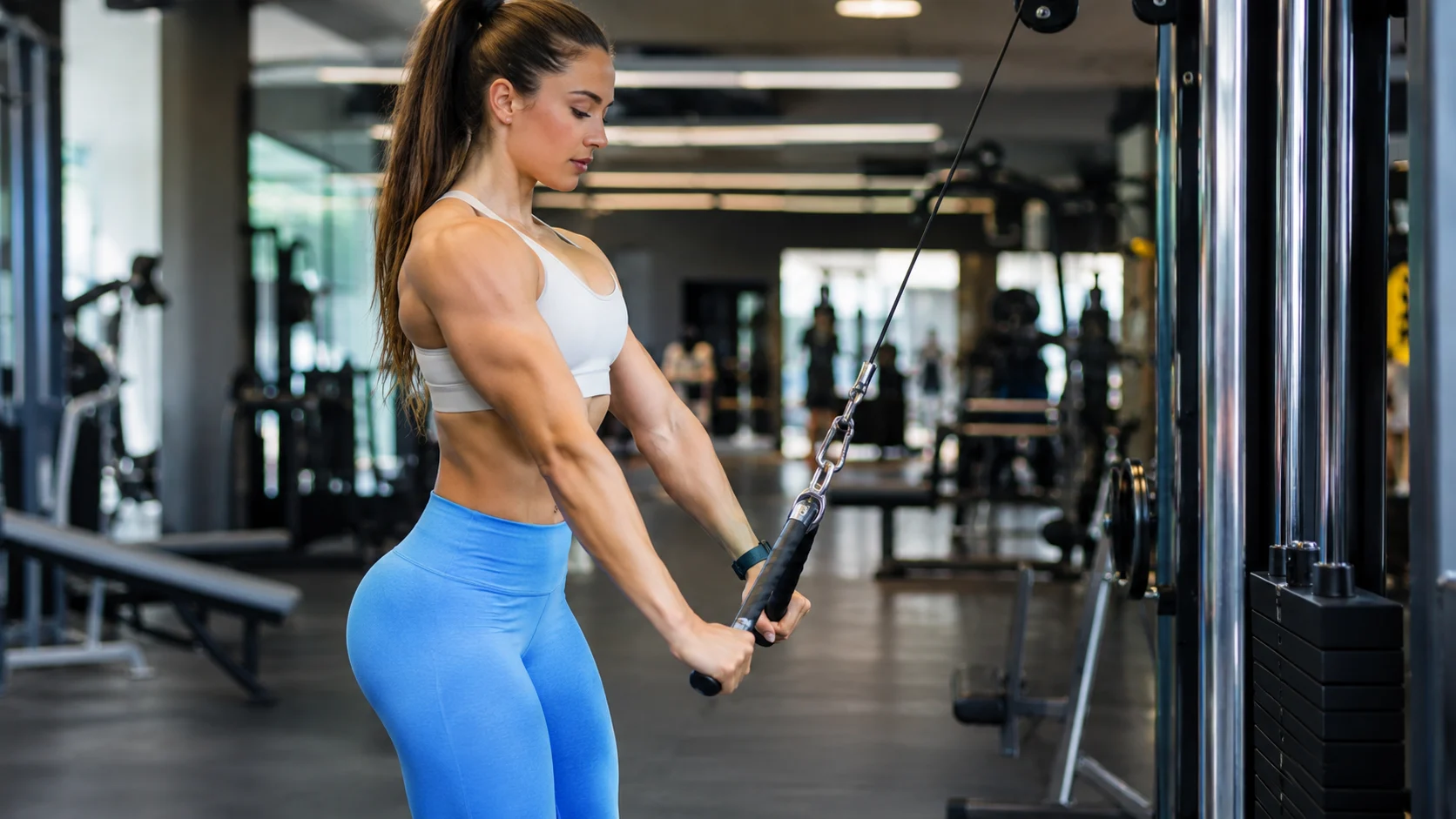
Straight arm pull downs are an effective upper-body exercise that primarily targets the latissimus dorsi muscles in your back. This movement is commonly performed using a cable machine and helps develop back strength, shoulder control, and proper muscle engagement. Unlike traditional lat pulldowns, the exercise keeps your elbows nearly straight throughout the movement.
Whether you are new to strength training or looking to improve your back workout routine, learning proper technique is essential. Straight arm pull downs can complement rowing movements, pull-ups, and other exercises that develop the upper back. This guide explains correct form, common mistakes, key benefits, and practical tips to help you perform the exercise safely and effectively.
What Are Straight Arm Pull Downs?
Straight arm pull downs are a cable-based resistance exercise designed to strengthen the back muscles through controlled shoulder movement. During the exercise, you pull a cable attachment downward while keeping your arms nearly straight. The motion primarily involves shoulder extension rather than elbow bending. This makes it different from conventional pulldowns and many rowing exercises.
The movement is usually performed while standing in front of a cable machine with the pulley positioned above your head. You can use a straight bar, rope, or other suitable attachment depending on your equipment. As you pull the resistance toward your thighs, your back muscles contract. Returning the attachment slowly helps maintain muscular control throughout the exercise.
One reason this exercise is popular is its ability to emphasize the lats without requiring heavy resistance. It is often included in bodybuilding workouts, general strength programs, and accessory training routines. Beginners can also benefit when the movement is performed with manageable resistance and proper technique. Understanding the exercise mechanics makes it easier to incorporate into a balanced workout.
What Muscles Do Straight Arm Pull Downs Work?
The latissimus dorsi, commonly called the lats, are the primary muscles targeted during straight arm pull downs. These large back muscles extend from the lower and middle back toward the upper arms. Their main functions include shoulder extension, adduction, and internal rotation. The exercise challenges the lats as your arms move downward against cable resistance.
Other muscles also contribute to the movement by supporting shoulder control and body stability. The teres major assists with shoulder extension, while the posterior deltoids may contribute depending on arm position. Your triceps help maintain elbow position, particularly through the long head. Meanwhile, abdominal and spinal stabilizing muscles support a steady posture throughout the exercise.
Although straight arm pull downs emphasize the back, they should not be considered a complete upper-body workout. Different exercises are needed to develop the middle back, arms, chest, and shoulders. Combining this movement with rows and conventional pulldowns creates a more balanced training approach. Understanding which muscles are involved also helps prevent unnecessary tension in unrelated areas.
Benefits of Straight Arm Pull Downs
One major benefit of straight arm pull downs is their ability to strengthen the latissimus dorsi through controlled shoulder extension. The exercise allows you to focus on moving your upper arms without relying heavily on elbow flexion. This can make it a useful addition to back training. Consistent practice may improve your ability to coordinate the muscles involved.
Another advantage is the adjustable resistance provided by a cable machine. Beginners can start with a light weight while learning the movement pattern. More experienced lifters can gradually increase resistance as their strength and control improve. The cable also provides resistance through much of the movement, although the exact challenge changes with arm position.
Straight arm pull downs can also complement compound exercises such as pull-ups, rows, and lat pulldowns. They offer a different movement pattern that may help diversify your training routine. The exercise requires controlled shoulder motion and trunk stability, making proper technique especially important. When programmed appropriately, it supports broader upper-body strength and movement goals.
How to Do Straight Arm Pull Downs Correctly
Start by positioning the cable pulley above head height and attaching a straight bar or rope. Stand facing the machine with your feet approximately hip-width apart. Hold the attachment with your palms facing downward if using a straight bar. Step back until your arms can extend comfortably in front of you without losing balance.
Keep your knees slightly bent and hinge gently at your hips while maintaining a neutral spine. Brace your abdominal muscles and keep your shoulders controlled rather than excessively raised. With your elbows softly bent, pull the attachment downward toward your upper thighs. Focus on moving through your shoulders instead of turning the exercise into an arm curl.
Pause briefly near the bottom while maintaining a stable torso and relaxed neck position. Slowly return the attachment upward until you reach a comfortable overhead position. Avoid allowing the weight stack to pull your shoulders suddenly or force them beyond their natural range. Continue for your planned repetitions while maintaining smooth, controlled movement.
Proper Starting Position and Body Alignment
Correct body alignment is important for performing straight arm pull downs efficiently and comfortably. Begin with your feet firmly planted and your knees slightly unlocked. Position your hips far enough behind your shoulders to create a comfortable forward lean. This stance should allow your arms to move freely without forcing your lower back into an exaggerated arch.
Your shoulders should remain stable without being deliberately squeezed together throughout the entire exercise. Keep your elbows nearly straight while maintaining a small, natural bend. Looking slightly forward and downward can help you maintain a neutral neck position. Avoid lifting your chin excessively because this may create unnecessary tension around the neck and upper back.
The distance between your body and the cable machine also influences how the exercise feels. Standing too close can restrict your movement, while standing too far away may make balance difficult. Adjust your position until you can complete the motion without leaning backward or shifting your feet. A stable starting position makes each repetition easier to control.
How to Control Your Breathing During the Exercise
Proper breathing supports trunk stability and helps you maintain a consistent exercise rhythm. Before beginning a repetition, take a comfortable breath and prepare your abdominal muscles. Exhale naturally as you pull the attachment downward toward your thighs. This approach can help you avoid unnecessary breath-holding during moderate resistance training.
As you return your arms toward the starting position, inhale in a controlled manner. Avoid breathing so quickly that it interferes with your posture or concentration. You should be able to maintain a steady rhythm throughout the set. If you become unusually breathless, reduce the intensity or rest before continuing.
Breathing patterns may vary depending on your experience, resistance level, and individual needs. The most important goal is to avoid prolonged breath-holding and excessive straining. People with cardiovascular conditions or other medical concerns should seek appropriate professional guidance before performing demanding resistance exercises. Comfortable breathing and smooth movement should remain priorities during each set.
Common Straight Arm Pull Down Mistakes
One of the most common mistakes is bending the elbows excessively during the downward movement. This changes the exercise mechanics and increases the contribution of the elbow flexor muscles. Although a slight elbow bend is normal, the angle should remain relatively consistent. Concentrating on shoulder movement helps maintain the intended emphasis on the lats.
Another common issue involves using too much weight and compensating with the torso. Some people lean backward, swing their upper body, or use momentum to move the attachment. These adjustments can reduce control and place unnecessary stress on supporting structures. Choosing manageable resistance allows the movement to remain deliberate and consistent.
Rushing through the return phase is another mistake that can interfere with effective technique. Allowing the cable to pull your arms upward suddenly may strain the shoulders or disrupt your balance. Instead, control the attachment as it moves toward the starting position. Avoid forcing a range of motion that causes pinching, discomfort, or joint pain.
Straight Arm Pull Downs With a Rope Attachment
Rope straight arm pull downs provide an alternative to using a traditional straight bar. The rope attachment allows your hands to move independently and may offer a more comfortable grip for some people. This flexibility can make small adjustments to wrist position easier. However, the basic movement still depends on controlled shoulder extension.
Begin with the cable positioned above your head and hold the rope ends securely. Step backward into a stable stance while keeping your knees slightly bent. Pull the rope downward toward your thighs without sharply bending your elbows. Your hands may separate slightly as the rope approaches the bottom position, provided the movement remains comfortable.
The rope variation can be useful for people who experience wrist discomfort with fixed bar attachments. However, it does not automatically make the exercise safer or more effective for everyone. Your shoulder mobility, equipment setup, and personal comfort should guide attachment selection. Both rope and bar variations can strengthen the lats when performed with suitable resistance.
Straight Arm Pull Downs vs. Lat Pulldowns
Straight arm pull downs and traditional lat pulldowns both train the back, but their movement patterns differ. Straight arm pull downs emphasize shoulder extension while keeping the elbows nearly fixed. Traditional lat pulldowns involve both shoulder movement and significant elbow bending. This difference changes the contributions of the surrounding muscles during each exercise.
Lat pulldowns generally allow greater involvement of the biceps and other elbow flexors. They are commonly used as compound pulling exercises for developing upper-body strength. Straight arm pull downs place less emphasis on active elbow flexion and provide a more focused shoulder movement. Neither exercise is universally better because each serves a different training purpose.
Including both movements can be useful in a well-designed back workout. Traditional lat pulldowns may serve as a primary strength exercise, while straight arm pull downs work well as an accessory movement. The best combination depends on your goals, available equipment, and experience. Maintaining good technique matters more than choosing one variation exclusively.
How Many Sets and Reps Should You Do?
Beginners can often start with two sets of approximately 10 to 15 controlled repetitions. Choose light resistance that allows you to maintain proper shoulder movement and a stable posture. Rest long enough between sets to recover comfortably. The goal during early sessions should be learning technique rather than lifting heavier weights immediately.
People with more resistance-training experience may perform two to four sets depending on their overall program. Moderate repetition ranges, such as 8 to 15 repetitions, can work well for developing muscular strength and size. However, no single repetition range is ideal for every individual. Training quality, recovery, and gradual progression are important factors.
Straight arm pull downs are often included once or twice weekly alongside other back exercises. Your ideal frequency depends on how much pulling work you already perform. If your back and shoulders remain unusually sore, additional recovery time may be beneficial. Increasing training volume gradually helps your muscles adapt without creating unnecessary fatigue.
How to Add Straight Arm Pull Downs to Your Workout
Straight arm pull downs fit naturally into a back-focused strength training session. They can be performed after compound exercises such as rows or lat pulldowns. This approach allows you to complete more demanding movements while your muscles are relatively fresh. The accessory exercise can then provide additional controlled training for the lats.
Some people prefer performing light straight arm pull downs near the beginning of a workout. This can help them practice the shoulder movement pattern before heavier pulling exercises. However, introductory sets should not create excessive fatigue that reduces performance later. A brief general warm-up and a few light practice repetitions are usually sufficient preparation.
A balanced back routine should include movements that train different muscle groups and joint actions. Horizontal rows, vertical pulls, and appropriate shoulder exercises can complement straight arm pull downs. You should also consider your overall weekly workload and recovery needs. Building a routine around several movement patterns supports more complete upper-body development.
Straight Arm Pull Down Variations to Try
Resistance band straight arm pull downs are a practical alternative when a cable machine is unavailable. Secure the band to a stable overhead anchor designed for exercise use. Stand in a balanced position and pull downward while keeping your elbows slightly bent. The band’s resistance increases as it stretches, creating a different challenge from a cable machine.
Single-arm cable pull downs provide another variation for practicing controlled shoulder movement. Using one arm at a time may help you notice differences in coordination between sides. Keep your torso stable rather than twisting to move the resistance. Start with a lighter weight because the unilateral version can place greater demands on balance and control.
Changing between straight-bar and rope attachments can also provide useful variety without dramatically altering the exercise. Each attachment affects grip position and may change how comfortable the movement feels. Avoid assuming that one variation automatically produces superior muscle growth. Choosing a comfortable technique and progressing consistently is generally more valuable than frequently changing equipment.
Safety Tips for Beginners
Beginners should prioritize proper technique and comfortable movement before increasing resistance. Start with a light setting and practice several slow repetitions to understand the exercise. Keep your elbows softly bent and your torso steady throughout the motion. If possible, ask a qualified fitness professional to observe your technique and suggest appropriate adjustments.
Shoulder discomfort is an important signal that your exercise setup may need modification. Avoid pulling through sharp pain, persistent pinching, or unusual joint symptoms. Reducing the range of motion or changing attachments may improve comfort in some cases. If symptoms continue, stop the exercise and consult a qualified healthcare professional before returning.
Allow adequate recovery between challenging training sessions and avoid sudden increases in resistance. A gradual progression supports muscular adaptation while reducing unnecessary strain. Remember that fatigue can affect coordination, particularly toward the end of a set. Ending a set when you can no longer maintain proper technique is often a sensible choice.
Conclusion
Straight arm pull downs are a useful exercise for strengthening the latissimus dorsi and practicing controlled shoulder extension. They provide a different training stimulus from traditional rows and lat pulldowns because the elbows remain nearly straight. With appropriate resistance and consistent technique, the movement can become a valuable part of a balanced back workout.
Performing the exercise correctly involves maintaining stable posture, controlling the cable, and moving through a comfortable shoulder range. Avoid excessive elbow bending, swinging your torso, and using resistance that compromises technique. Beginners should focus on developing coordination before progressing to heavier loads. Small improvements in movement quality can make training more comfortable and consistent.
Whether you use a straight bar, rope, or suitable resistance band, the principles remain similar. Choose equipment that feels comfortable, progress gradually, and allow sufficient recovery between sessions. Combining straight arm pull downs with other upper-body exercises supports broader strength development. Consistency, sensible programming, and attention to technique are more important than lifting the heaviest possible weight.
Frequently Asked Questions
What muscles do straight arm pull downs work?
Straight arm pull downs primarily target the latissimus dorsi muscles. The teres major and posterior deltoids also assist, while the triceps and core muscles help maintain arm position and body stability.
Are straight arm pull downs good for beginners?
Yes, straight arm pull downs can be suitable for beginners when performed with light resistance and proper technique. Learning controlled shoulder movement and maintaining stable posture should come before increasing weight.
Should your arms be completely straight during pull downs?
No, your elbows should maintain a slight, comfortable bend throughout the exercise. Locking them rigidly is unnecessary, while excessive bending changes the movement and increases the contribution of other muscles.
Are straight arm pull downs better than lat pulldowns?
Neither exercise is universally better. Straight arm pull downs emphasize shoulder extension, while traditional lat pulldowns involve more elbow flexion and additional muscle groups. Both can complement a balanced back-strengthening routine.
How often should you do straight arm pull downs?
Many people include straight arm pull downs once or twice per week. The best frequency depends on training experience, overall exercise volume, and recovery. Beginners should progress gradually rather than increasing workload too quickly.