


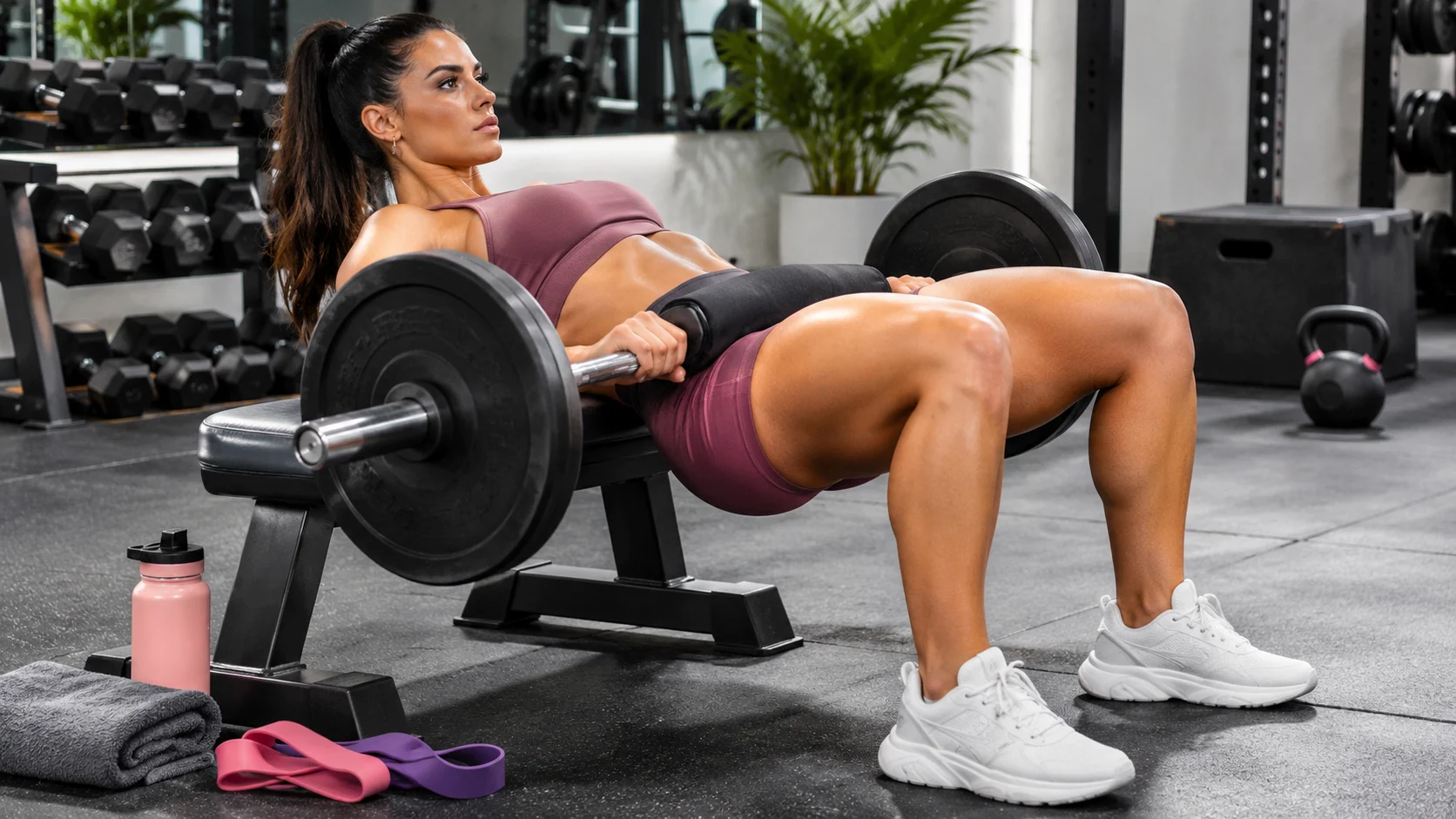
Glute focused exercises are an effective way to build lower-body strength, improve movement, and support everyday physical activities. Your glute muscles help you walk, climb stairs, stand upright, and maintain stability during exercise. Strengthening these muscles can improve your ability to perform daily tasks while supporting better overall movement.
Many people focus on squats and lunges when training their glutes, but several other exercises can strengthen these important muscles. Glute bridges, hip thrusts, step-ups, and resistance band movements offer different ways to challenge the lower body. The best approach involves choosing suitable exercises and performing them with proper technique.
This guide explains the benefits of glute focused exercises, how to perform them correctly, and common mistakes to avoid. You will also learn how to create a balanced workout routine that supports strength, stability, and long-term fitness.
What Are Glute Focused Exercises?
Glute focused exercises are movements designed to strengthen the muscles around your hips and buttocks. These exercises primarily target the gluteus maximus, gluteus medius, and gluteus minimus. Together, these muscles support hip extension, rotation, stability, and controlled movement during walking, running, and other physical activities.
Some exercises directly emphasize the glutes, while others train them alongside the thighs and core muscles. For example, hip thrusts primarily challenge hip extension, whereas squats involve several lower-body muscle groups. Both can contribute to glute strength when performed with appropriate technique, resistance, and movement control.
Glute training is useful for beginners, recreational exercisers, and experienced athletes. It can support everyday movement, improve strength, and help develop greater confidence during physical activities. However, exercise selection should reflect individual abilities, comfort, and fitness goals rather than following the same workout plan for everyone.
Understanding the Three Main Glute Muscles
The gluteus maximus is the largest muscle in the gluteal region and plays an important role in extending the hip. It becomes active during movements such as standing from a chair, climbing stairs, and rising from a squat. Exercises involving controlled hip extension can help strengthen this muscle over time.
The gluteus medius is located along the outer portion of the hip and contributes to pelvic stability. It helps control side-to-side movement, particularly when standing or walking on one leg. Strengthening this muscle can improve balance and support coordinated movement during everyday tasks and recreational activities.
The gluteus minimus works alongside other hip muscles to assist with movement and stability. Although it is smaller than the other glute muscles, it contributes to maintaining proper hip control. A balanced training program should include movements that challenge hip extension, sideways movement, and single-leg stability.
Benefits of Glute Focused Exercises
One major benefit of glute focused exercises is improved lower-body strength. Strong glute muscles help generate force during standing, walking uphill, climbing stairs, and lifting objects. Training these muscles regularly can make familiar activities feel more manageable while supporting better coordination between the hips, thighs, and core.
Glute strengthening can also improve hip and pelvic stability. During walking or running, the glute muscles help control the position of the pelvis and upper legs. Better strength and movement control may support efficient movement patterns, although glute training alone cannot prevent every injury or correct every movement problem.
Another benefit is improved performance during recreational activities and strength training. Glute exercises can support movements such as jumping, cycling, hiking, and changing direction. When included in a balanced exercise program, they contribute to overall fitness and help develop strength that transfers beyond individual workouts.
Glute Bridges for Beginners
Glute bridges are among the most accessible exercises for developing hip extension strength. They require little equipment and can be performed on a comfortable exercise mat. This movement is particularly useful for beginners because the floor provides support while allowing the hips to move through a controlled range.
To perform a glute bridge, lie on your back with your knees bent and feet resting on the floor. Gently tighten your abdominal muscles, press through your feet, and lift your hips until your shoulders, hips, and knees form a comfortable line. Lower your hips slowly without forcing your lower back into an exaggerated arch.
Focus on smooth movement rather than lifting your hips as high as possible. Avoid pushing through discomfort or allowing your knees to collapse inward during the exercise. As your strength improves, you can explore more challenging variations, such as adding suitable resistance or briefly holding the raised position.
Hip Thrusts for Building Glute Strength
Hip thrusts are popular glute focused exercises because they challenge the muscles responsible for extending the hips. Unlike a basic floor bridge, a hip thrust typically involves supporting the upper back against a stable bench or platform. This setup allows a different movement range and can accommodate additional resistance.
Begin with your upper back resting against a sturdy support and your feet positioned comfortably on the floor. Keep your chin relaxed, engage your core, and lift your hips through a controlled movement. At the top, aim for a comfortable alignment between your shoulders, hips, and knees without excessively arching your lower back.
Beginners should practice the movement without additional weight before progressing to resistance. A stable bench and secure foot placement are important for maintaining control throughout the exercise. If the setup feels uncomfortable or difficult to manage, floor-based glute bridges provide a simpler alternative with similar movement principles.
Squats for Stronger Glutes and Legs
Squats are compound exercises that strengthen several lower-body muscles, including the glutes, quadriceps, and adductors. They also require coordination between the hips, knees, ankles, and core. Squats can be adapted to different ability levels, making them useful for people developing basic strength and those following structured resistance training programs.
Begin by standing with your feet approximately shoulder-width apart or in another comfortable position. Bend your hips and knees together as though sitting into a chair, keeping your weight balanced across your feet. Lower yourself only as far as you can comfortably control, then press through your feet to return upright.
Avoid forcing your knees into a fixed direction or trying to copy someone else’s exact squat stance. Individual differences in joint structure and mobility influence comfortable movement patterns. Chair squats and supported squats can help beginners develop confidence before introducing more demanding variations or additional resistance.
Lunges for Glute Strength and Stability
Lunges strengthen the glutes and thighs while challenging balance and coordination. They involve moving one leg forward, backward, or sideways while controlling the position of the hips and knees. This makes lunges useful for developing strength during movements that involve transferring body weight between the legs.
For a reverse lunge, stand upright and step one foot backward into a comfortable staggered position. Bend both knees while keeping your torso controlled and your front foot firmly supported. Push through your front foot to return to standing, using a wall or stable chair for balance when necessary.
Reverse lunges are often easier to control than some forward lunge variations, especially for beginners. Choose a step length that allows comfortable knee and hip movement without excessive strain. Start with a smaller range of motion and gradually increase the challenge as your coordination and strength improve.
Step-Ups for Everyday Functional Strength
Step-ups are practical glute focused exercises because they closely resemble climbing stairs. They challenge hip extension, leg strength, and single-leg balance during each repetition. A stable, low platform makes this movement accessible for beginners while allowing more experienced exercisers to increase difficulty through controlled progression.
Stand facing a secure step with enough space to move safely. Place one foot firmly on the platform, press through that foot, and rise until you reach a comfortable standing position. Step down slowly while maintaining balance, and avoid using excessive momentum to lift yourself onto the platform.
Start with a low step and focus on smooth, controlled movement. Avoid choosing a platform so high that your knee or hip becomes uncomfortable. Step-ups can be particularly helpful for improving confidence with stairs and other daily activities that involve supporting your body weight on one leg.
Resistance Band Exercises for the Glutes
Resistance bands provide a convenient way to challenge the glute muscles without using heavy equipment. They are available in different resistance levels and can be used for sideways steps, standing hip movements, and other exercises. Their portability makes them suitable for home workouts, travel, and general strength training routines.
Sideways band walks are a useful example of resistance-based hip training. Place a suitable exercise band around your thighs, maintain a comfortable bend in your knees, and take small controlled steps sideways. Keep your hips level and avoid allowing the band to pull your legs together suddenly between steps.
Choose a resistance level that allows steady movement without affecting your balance or joint comfort. Stronger resistance is not automatically more effective if it causes poor technique. Bands should also be inspected for cracks or damage before use because worn materials may break unexpectedly during exercise.
Clamshells and Side-Lying Leg Raises
Clamshells are simple exercises that challenge muscles involved in hip rotation and stability. They are often included in beginner strength routines and rehabilitation programs because they require minimal equipment. The exercise can help develop awareness of hip movement while keeping the body supported in a side-lying position.
To perform a clamshell, lie on your side with your knees bent and your feet resting together. Keep your pelvis relatively still while gently lifting the upper knee without separating your feet. Lower the knee slowly and repeat with controlled movement, avoiding excessive rolling through your lower back.
Side-lying leg raises provide another option for strengthening muscles along the outer hip. Keep your body aligned and lift your upper leg through a comfortable range without swinging. These exercises can complement larger movements such as squats and bridges, especially when your goal includes hip stability and controlled movement.
How to Create a Balanced Glute Workout
A balanced glute workout should include exercises that challenge different hip movements and strength requirements. For example, glute bridges emphasize hip extension, while sideways band walks challenge lateral hip control. Squats, lunges, and step-ups add compound movements that strengthen the glutes alongside other lower-body muscles.
Beginners can start with two or three glute training sessions each week, leaving recovery time between demanding workouts. A simple session might include glute bridges, supported squats, step-ups, and side-lying leg raises. The number of repetitions and sets should match personal ability, with an emphasis on comfortable technique rather than exhaustion.
As movement becomes easier, increase the challenge gradually through additional repetitions, resistance, or more demanding exercise variations. Progress should remain manageable, and noticeable joint pain is a reason to modify or stop an exercise. A balanced routine should also include other muscle groups, general movement, and sufficient rest.
Common Mistakes During Glute Focused Exercises
One common mistake is relying on momentum instead of controlled muscular movement. Swinging the legs, rushing through repetitions, or lifting excessive resistance can reduce exercise quality. Slower, deliberate movements often make it easier to maintain coordination and recognize whether the exercise is being performed comfortably.
Another mistake involves excessive lower-back arching during glute bridges and hip thrusts. This can shift movement away from the intended hip action and may create unnecessary discomfort. Keeping the torso controlled and finishing the movement when the hips reach a comfortable position helps maintain better technique.
Skipping recovery is another problem that can interfere with training progress. Glute muscles need sufficient time to recover from challenging exercise, particularly when resistance or training volume increases. Consistent training, adequate sleep, balanced nutrition, and rest days support strength development more effectively than repeatedly exercising through significant fatigue or pain.
Best Practices for Safe Glute Training
Proper preparation can make glute focused exercises more comfortable and effective. Begin with a few minutes of easy movement, such as walking or gentle bodyweight activity, to prepare your body for exercise. Choose a suitable training surface and make sure benches, bands, and other equipment are stable and in good condition.
Focus on exercise quality before increasing resistance or attempting advanced movements. Your repetitions should remain controlled, with enough attention to breathing, balance, and comfortable joint positioning. If an exercise causes sharp pain, dizziness, or unusual symptoms, stop rather than trying to complete a predetermined number of repetitions.
Consistency matters more than completing a complicated routine. Choose exercises that match your current ability and gradually build confidence through regular practice. If you have an existing injury, recurring joint pain, or a medical condition that affects movement, a qualified healthcare professional can help identify suitable modifications.
How Long Does It Take to Notice Glute Strength Improvements?
The time needed to notice improvements varies depending on training experience, exercise selection, recovery, and consistency. Beginners may notice better coordination or improved comfort with familiar movements before experiencing larger strength changes. These early improvements can reflect the nervous system becoming more efficient at performing the exercises.
More substantial strength improvements usually require repeated training over several weeks or longer. The exact timeline differs between individuals, and progress does not always occur at a steady rate. Instead of focusing on a fixed deadline, pay attention to whether exercises become easier and whether everyday activities feel more manageable.
Simple training records can help you recognize progress without relying on physical appearance. You might note the exercises performed, the resistance used, and how comfortably you completed each session. Gradually improving movement quality, balance, and strength provides useful evidence that your training routine is supporting your fitness goals.
Conclusion
Glute focused exercises help strengthen important muscles involved in walking, standing, climbing stairs, and maintaining hip stability. Movements such as bridges, hip thrusts, squats, and lunges provide different ways to challenge these muscles. Choosing a variety of suitable exercises can support balanced lower-body strength and improved movement confidence.
Proper technique and gradual progression are essential for effective training. Starting with manageable exercises allows you to develop coordination before increasing resistance or difficulty. Recovery, comfortable movement, and attention to warning signs are equally important for maintaining a safe and sustainable workout routine.
The best glute training plan is one that matches your abilities and supports your everyday activities. Consistent practice can improve strength, balance, and physical function over time. By focusing on movement quality and realistic progression, you can make glute exercises a valuable part of a balanced fitness routine.
Frequently Asked Questions
What are the best glute focused exercises for beginners?
Glute bridges, supported squats, low step-ups, and side-lying leg raises are useful beginner options. They allow you to practice important hip movements while developing strength, balance, and exercise confidence.
How often should you train your glutes?
Many beginners can train their glutes two or three times weekly with recovery between demanding sessions. The ideal frequency depends on workout intensity, experience, overall activity, and how comfortably your body recovers.
Can you do glute focused exercises at home?
Yes, several effective glute exercises require little or no equipment. Bridges, bodyweight squats, lunges, clamshells, and step-ups can be performed at home using a suitable surface and stable support when needed.
Do squats work the glutes effectively?
Yes, squats strengthen the glutes alongside the quadriceps and other lower-body muscles. Their effectiveness depends on comfortable technique, appropriate resistance, movement range, and consistency within a balanced strength training program.
Are glute exercises good for hip stability?
Glute exercises can improve hip strength and muscular control, which support pelvic stability during movement. Combining hip extension exercises with sideways and single-leg movements can help develop balanced strength and coordination.