


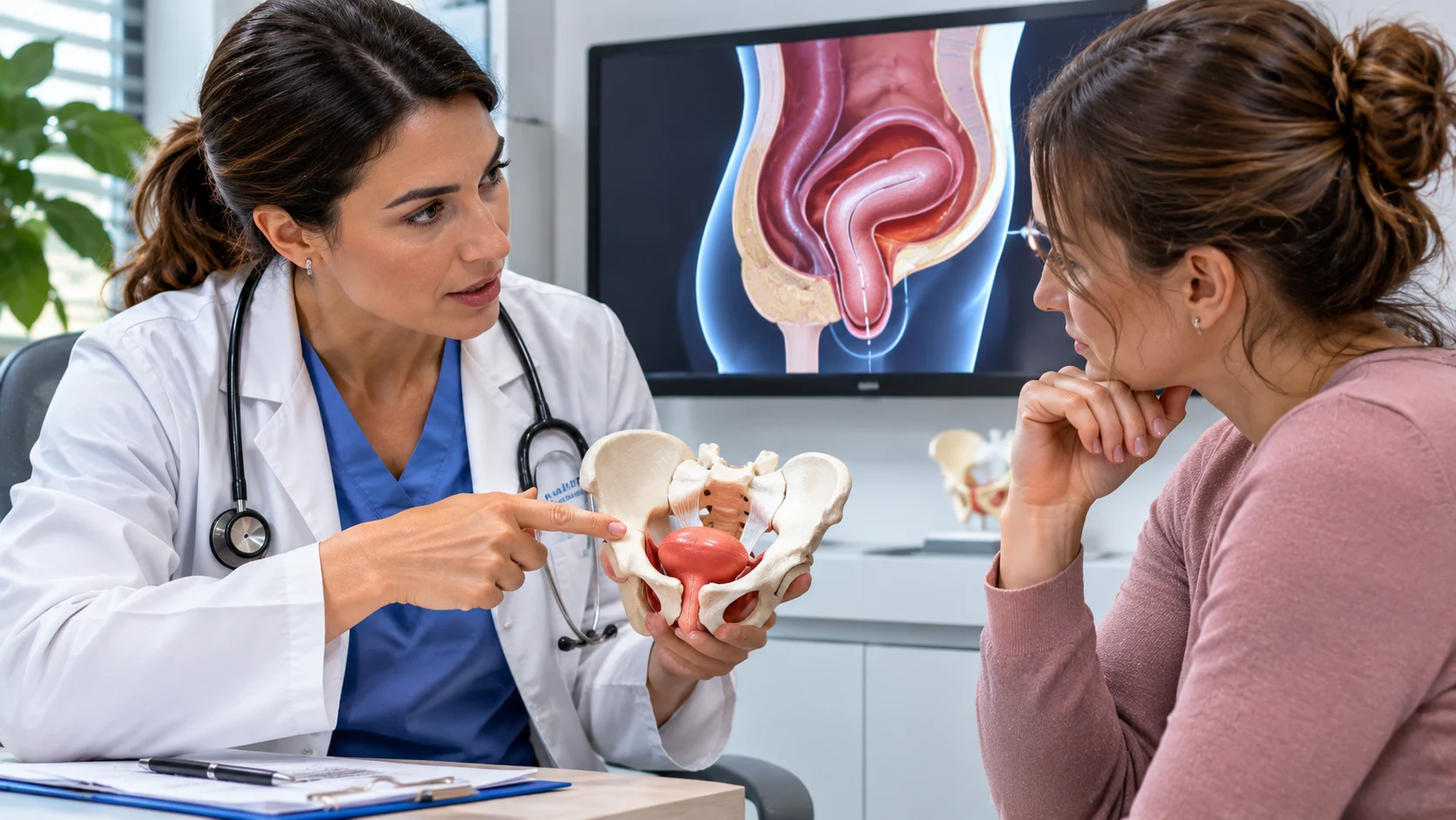
What Is Prolapse? Understanding the Simple Meaning
Prolapse means that an organ or body structure has moved downward, slipped, or fallen out of its normal position. This happens when the muscles, ligaments, or supporting tissues that normally hold it in place become weakened or damaged. Prolapse can affect different parts of the body, including the uterus, bladder, rectum, and certain heart valves.
The medical meaning of prolapse depends on which organ or body structure is affected. For example, pelvic organ prolapse occurs when organs within the pelvis descend because their supporting tissues become less effective. Rectal prolapse involves part of the rectum moving downward, while heart valve prolapse describes a different structural condition affecting a heart valve.
Understanding the prolapse meaning helps people recognize symptoms and seek appropriate medical advice. Some forms cause mild discomfort, while others can interfere with everyday activities or require medical treatment. This guide explains the different types of prolapse, common causes, warning signs, diagnosis, and available treatments in simple language.
What Happens Inside the Body During Prolapse?
The body relies on muscles, connective tissues, and ligaments to maintain the normal positions of internal organs. These structures provide support while allowing organs to function during movement and everyday activities. When the supporting structures weaken or become damaged, an organ may shift from its usual position and place pressure on surrounding tissues.
In pelvic organ prolapse, the pelvic floor muscles and connective tissues may no longer provide enough support for organs such as the bladder, uterus, or rectum. As a result, an organ can press against the vaginal wall or descend toward the vaginal opening. The degree of movement varies considerably between individuals and may change with physical activity.
Prolapse does not always mean that an organ has completely fallen outside the body. Many people experience mild internal changes without obvious external symptoms. More advanced cases may involve a noticeable bulge or tissue extending beyond an opening, making professional evaluation important for identifying the type and severity of the condition.
Different Types of Prolapse Explained Simply
Prolapse is a general medical term covering several conditions that affect different organs and supporting structures. The most familiar forms involve the pelvic organs, including the uterus, bladder, and rectum. However, other medical conditions use the same term when tissue moves beyond its normal anatomical position or fails to maintain its usual structure.
Pelvic organ prolapse can involve a single organ or several structures simultaneously. A bladder prolapse, also called a cystocele, occurs when the bladder pushes into the front vaginal wall. Rectocele refers to the rectum bulging into the back vaginal wall, while uterine prolapse involves the uterus descending toward the vaginal opening.
Other forms include rectal prolapse, which involves rectal tissue descending through the anus, and mitral valve prolapse, which affects a valve inside the heart. These conditions have different causes, symptoms, and treatment approaches. Understanding the specific type is essential because the same general term does not describe one single medical problem.
Pelvic Organ Prolapse: Meaning and Common Signs
Pelvic organ prolapse develops when the muscles and connective tissues supporting the pelvic organs become weakened or stretched. This allows structures such as the bladder, uterus, or rectum to move downward and sometimes bulge into the vagina. The condition is more common after childbirth and with increasing age, although it can affect adults at different life stages.
A common symptom is a feeling of heaviness, pressure, or fullness in the pelvic area. Some people describe a sensation that something is dropping or sitting lower than usual. Others notice a soft bulge near the vaginal opening, particularly after prolonged standing, physical activity, or activities that increase pressure inside the abdomen.
Pelvic organ prolapse can also affect urination, bowel movements, and daily comfort. However, not everyone experiences noticeable symptoms, and the amount of anatomical descent does not always match the severity of discomfort. A healthcare professional can determine whether symptoms are related to prolapse or another condition affecting the pelvic area.
Uterine Prolapse: When the Uterus Moves Downward
Uterine prolapse occurs when the uterus descends from its usual position because the pelvic support structures become weakened. The uterus may move partly into the vaginal canal or, in more advanced cases, extend beyond the vaginal opening. The condition can develop gradually and may become more noticeable as supporting tissues change over time.
Common symptoms include pelvic pressure, a vaginal bulge, lower back discomfort, and difficulty with certain daily activities. Some women also experience changes in bladder or bowel function. Mild uterine prolapse may produce few symptoms, while more significant descent can interfere with comfort and require additional medical evaluation.
Treatment depends on symptom severity, overall health, and personal preferences. Pelvic floor physical therapy and vaginal support devices called pessaries may help manage certain cases. Surgery is another option when symptoms are significant, although treatment decisions should be made after discussing available approaches with a qualified healthcare professional.
Bladder Prolapse: What Is a Cystocele?
Bladder prolapse, medically called cystocele, occurs when the bladder pushes against the front wall of the vagina. This happens when the tissues separating and supporting these structures become weakened. The condition is a type of pelvic organ prolapse and can range from mild changes without symptoms to more noticeable anatomical descent.
Women with a cystocele may experience vaginal pressure, a bulging sensation, or changes in urination. Some report difficulty emptying the bladder completely or needing to change position when using the bathroom. Urinary leakage may also occur, although bladder prolapse does not always cause incontinence and can sometimes coexist with other urinary conditions.
A clinician may diagnose cystocele through a pelvic examination and discussion of symptoms. Treatment options include monitoring, pelvic floor rehabilitation, pessary support, and surgery when appropriate. The best approach depends on how much the condition affects daily activities rather than relying only on the anatomical degree of prolapse.
Rectal Prolapse: Causes and Symptoms
Rectal prolapse occurs when part of the rectum moves downward and protrudes through the anus. It differs from rectocele, which involves the rectum bulging toward the vaginal wall. Rectal prolapse may develop gradually and is associated with factors such as chronic constipation, pelvic floor weakness, and certain neurological or anatomical conditions.
Symptoms can include a visible reddish bulge, discomfort during bowel movements, mucus leakage, and difficulty controlling bowel movements. Some individuals experience a feeling that the bowel has not emptied completely. The protruding tissue may initially appear only during straining but can become more persistent as the condition progresses.
Rectal prolapse requires medical assessment because treatment differs from that of ordinary hemorrhoids or constipation. Some patients need surgical treatment, particularly when full-thickness prolapse occurs. Severe pain, heavy bleeding, or protruding tissue that becomes swollen, dark, or cannot be returned to its normal position requires urgent medical attention.
Mitral Valve Prolapse: A Different Medical Condition
Mitral valve prolapse affects the heart rather than the pelvic organs or digestive system. It occurs when one or both leaflets of the mitral valve bulge backward into the left atrium during heart contraction. This condition is different from pelvic organ prolapse because it involves heart valve structure rather than weakened pelvic support tissues.
Many people with mitral valve prolapse experience no symptoms and may discover the condition during a routine medical examination. Some individuals report palpitations, chest discomfort, or fatigue, although these symptoms can have several causes. A clinician may hear a characteristic sound during examination and recommend an echocardiogram to evaluate the valve.
Most cases do not require surgery, but some people develop mitral regurgitation, where blood leaks backward through the valve. Treatment depends on valve function, symptoms, and the results of medical investigations. Regular monitoring may be recommended, especially when significant leakage or other heart-related complications are present.
What Causes Prolapse in Women?
Several factors can weaken the tissues responsible for supporting pelvic organs. Pregnancy and vaginal childbirth may stretch or injure pelvic floor structures, increasing the likelihood of prolapse later in life. Aging and hormonal changes can also influence connective tissue strength, although these factors do not affect every woman in the same way.
Chronic constipation, repeated straining, persistent coughing, and activities involving frequent heavy lifting may increase pressure on the pelvic floor. Certain inherited connective tissue characteristics can also contribute to prolapse risk. Previous pelvic surgery, including hysterectomy, may change support structures and increase the likelihood of certain types of vaginal prolapse.
Prolapse usually develops through a combination of factors rather than one isolated cause. Having risk factors does not mean a person will definitely develop the condition. A healthcare professional can review medical history, symptoms, and individual circumstances to explain possible contributing factors and recommend appropriate management options.
Common Symptoms of Prolapse You Should Recognize
Prolapse symptoms vary depending on the affected organ and the severity of anatomical changes. Pelvic organ prolapse commonly causes pressure, heaviness, or a sensation of fullness in the vaginal area. Some women notice a bulge or feel as though something is moving downward, particularly after standing for extended periods.
Other symptoms may include difficulties with urination, bowel movements, or physical activity. Some individuals experience lower back discomfort or changes in bladder emptying. However, these symptoms are not exclusive to prolapse, and similar problems can occur with urinary infections, constipation, pelvic floor muscle dysfunction, or other medical conditions.
Mild prolapse may cause no obvious symptoms and can sometimes be discovered during a routine examination. Persistent pelvic discomfort or a new visible bulge should be assessed professionally. Sudden severe pain, heavy bleeding, fever with significant illness, or inability to urinate requires prompt medical attention rather than waiting for a routine appointment.
How Is Prolapse Diagnosed by a Doctor?
Diagnosing prolapse begins with a review of symptoms, medical history, and factors that may affect supporting tissues. A healthcare professional may ask about childbirth, previous surgery, bowel habits, urinary changes, and daily activities. These details help identify which structures might be involved and whether additional health conditions require investigation.
For pelvic organ prolapse, a clinician usually performs a pelvic examination to assess the position of the vaginal walls and supporting organs. The examination may involve gentle bearing down to make anatomical changes easier to identify. Healthcare professionals sometimes use a standardized system called POP-Q to describe the location and extent of prolapse.
Additional tests are not always necessary, especially when symptoms and examination findings clearly establish the diagnosis. However, bladder function tests, imaging, or specialist assessment may be recommended in selected circumstances. An accurate diagnosis helps distinguish different forms of prolapse and supports treatment decisions based on symptoms, function, and personal preferences.
Stages of Pelvic Organ Prolapse Explained
Pelvic organ prolapse can be described using stages that indicate how far the affected structures have descended. Healthcare professionals commonly use the Pelvic Organ Prolapse Quantification system, which provides standardized anatomical measurements. This approach helps clinicians document findings, compare examinations, and communicate the degree of prolapse using consistent medical terminology.
Stage 0 indicates no prolapse, while Stage I describes descent that remains more than one centimeter above the hymenal reference point. Stage II involves descent close to that reference point, within one centimeter above or below it. Stage III represents more advanced descent beyond the reference point, while Stage IV describes essentially complete vaginal eversion.
These stages describe anatomical position rather than the exact amount of discomfort a person experiences. Someone with mild descent may have noticeable symptoms, while another person with more advanced prolapse may experience relatively little distress. Treatment decisions therefore consider everyday function, symptoms, examination findings, and the individual’s personal goals.
Can Prolapse Go Away on Its Own?
Whether prolapse improves depends on its type, severity, underlying cause, and individual circumstances. Mild pelvic organ prolapse may remain stable for years or fluctuate over time. Some postpartum changes improve as tissues recover, although more established prolapse does not always return completely to its original anatomical position without treatment.
Certain symptoms may become less noticeable when contributing factors are addressed. Managing constipation, reducing excessive straining, and following an appropriate rehabilitation program can help improve comfort. However, these strategies do not guarantee that an organ will move back into its original position, particularly when support tissues have undergone significant structural changes.
Medical monitoring may be appropriate for individuals who have mild prolapse without bothersome symptoms. Others may benefit from treatment that improves function or provides physical support. A healthcare professional can explain whether observation, rehabilitation, a pessary, or another intervention is suitable based on the specific condition.
Pelvic Floor Exercises and Prolapse Management
Pelvic floor muscle training is commonly recommended for managing certain forms of pelvic organ prolapse. These exercises involve gently contracting and relaxing the muscles that support the pelvic organs. When performed correctly and consistently, they may improve muscle function and reduce some symptoms, particularly in individuals with mild or moderate prolapse.
The correct technique involves lifting and tightening the pelvic floor muscles without repeatedly straining or holding the breath. However, not everyone benefits from the same exercise approach, and excessive muscle tension can contribute to discomfort. A pelvic health physical therapist can assess muscle coordination and develop an individualized training plan when necessary.
Pelvic floor exercises may improve symptoms, but they cannot reliably reverse every degree of anatomical prolapse. Results also depend on proper technique, consistency, and the type of support problem involved. Individuals experiencing pain or difficulty identifying the correct muscles should seek professional guidance instead of increasing exercise intensity without assessment.
Pessary Devices: A Non-Surgical Prolapse Treatment
A vaginal pessary is a removable medical device that helps support pelvic organs affected by prolapse. It is placed inside the vagina and comes in different shapes and sizes. Pessaries provide a non-surgical treatment option for people who want symptom relief or prefer to avoid or postpone an operation.
A properly fitted pessary may reduce vaginal bulging, heaviness, and certain activity-related symptoms. Some individuals use one during particular activities, while others wear it regularly according to professional guidance. Pessaries may also be suitable for people who cannot undergo surgery or want to explore conservative treatment options first.
A healthcare professional should assess and fit the device to ensure appropriate support and comfort. Regular cleaning, monitoring, and follow-up care are important to reduce complications such as irritation or vaginal tissue injury. Persistent discomfort, bleeding, unusual discharge, or difficulty urinating while using a pessary should be discussed promptly with the treating clinician.
When Is Surgery Needed for Prolapse?
Surgery may be considered when prolapse causes significant symptoms that do not improve sufficiently with conservative treatment. The goal is usually to restore appropriate support and improve comfort or daily function. However, surgery is not automatically necessary simply because a person has been diagnosed with pelvic organ prolapse.
Different surgical procedures are available depending on the affected organs, previous operations, and individual treatment goals. Some approaches use the patient’s own tissues to restore support, while others may involve different surgical materials or techniques. Each option has potential benefits, limitations, and risks that require careful discussion with a qualified specialist.
Recovery time varies according to the procedure and individual health circumstances. Possible complications can include bleeding, infection, recurrence, or changes in bladder and bowel function. Patients should understand available alternatives, expected outcomes, and follow-up requirements before choosing surgery as part of their prolapse treatment plan.
Living With Prolapse: Practical Daily Care Tips
Living with prolapse often involves finding ways to reduce discomfort while maintaining normal daily activities. Mild symptoms may become more noticeable after prolonged standing or repetitive activities that increase abdominal pressure. Adjusting routines, taking comfortable breaks, and avoiding unnecessary straining can help some individuals manage symptoms more effectively.
Maintaining regular bowel habits is particularly important because repeated straining during bowel movements can place additional pressure on pelvic support structures. Drinking adequate fluids, eating fiber-containing foods, and addressing chronic constipation may be useful. However, dietary changes should reflect individual health needs, and persistent bowel problems should be discussed with a healthcare professional.
People with prolapse can often continue walking, exercising, and enjoying daily activities with suitable adjustments. The best activity choices depend on symptoms, physical ability, and professional recommendations. Rather than avoiding movement altogether, individuals may benefit from identifying comfortable exercises and gradually developing strength with appropriate guidance.
When Should You Seek Medical Attention for Prolapse?
A medical appointment is recommended when you notice a new vaginal or rectal bulge, persistent pelvic pressure, or changes in bladder and bowel function. These symptoms can occur with prolapse but may also indicate other conditions. Early assessment helps establish the diagnosis and identify treatments that support comfort and daily functioning.
Urgent medical attention is important when prolapse-related symptoms include severe pain, inability to pass urine, significant bleeding, or tissue that becomes unusually dark or swollen. A rectal prolapse that cannot be returned to its normal position also requires prompt evaluation. These problems may indicate complications that should not be managed through home remedies.
Prolapse is a treatable or manageable condition, and many people experience meaningful symptom improvement with appropriate care. Discussing symptoms openly with a healthcare professional can help identify suitable treatment options. Individualized management is important because the same approach may not work for every type or severity of prolapse.
Conclusion
Prolapse means that an organ or body structure has moved away from its normal anatomical position. Common types include uterine prolapse, bladder prolapse, rectal prolapse, and other conditions involving weakened or altered supporting structures. Understanding the specific type is essential because symptoms, causes, and treatment options can differ significantly.
Pelvic organ prolapse often develops through a combination of childbirth-related changes, aging, connective tissue factors, and repeated pressure on supporting structures. Some people experience mild symptoms, while others notice discomfort that affects daily activities. Pelvic floor rehabilitation, pessary support, and surgery are among the management options available depending on individual circumstances.
Recognizing symptoms and seeking appropriate medical advice can help people make informed decisions about prolapse treatment. A diagnosis does not automatically mean surgery is necessary or that normal activities must stop. With suitable assessment, individualized care, and practical symptom management, many individuals can maintain comfortable and active lives.
Frequently Asked Questions (FAQs)
What is the simple meaning of prolapse?
Prolapse means an organ or body structure has moved downward or slipped from its usual position. It commonly affects pelvic organs, including the uterus, bladder, and rectum, when supporting tissues weaken.
What are the first signs of pelvic organ prolapse?
Early symptoms may include pelvic heaviness, vaginal pressure, or a sensation of something bulging downward. Some people also notice changes in urination or bowel movements, while others experience no symptoms.
Is prolapse a serious medical condition?
Prolapse is not always serious, and mild cases may require only monitoring or conservative treatment. However, significant symptoms, urinary problems, or severe pain require medical assessment to identify possible complications.
Can pelvic floor exercises fix prolapse?
Pelvic floor exercises can improve muscle function and reduce symptoms in some individuals, particularly with milder prolapse. However, they cannot reliably reverse every anatomical change, and some people need additional treatment.
Does prolapse always require surgery?
No, many people manage pelvic organ prolapse without surgery through monitoring, pelvic floor rehabilitation, or pessary devices. Surgery may be considered when symptoms are significant or conservative approaches do not provide enough relief.