


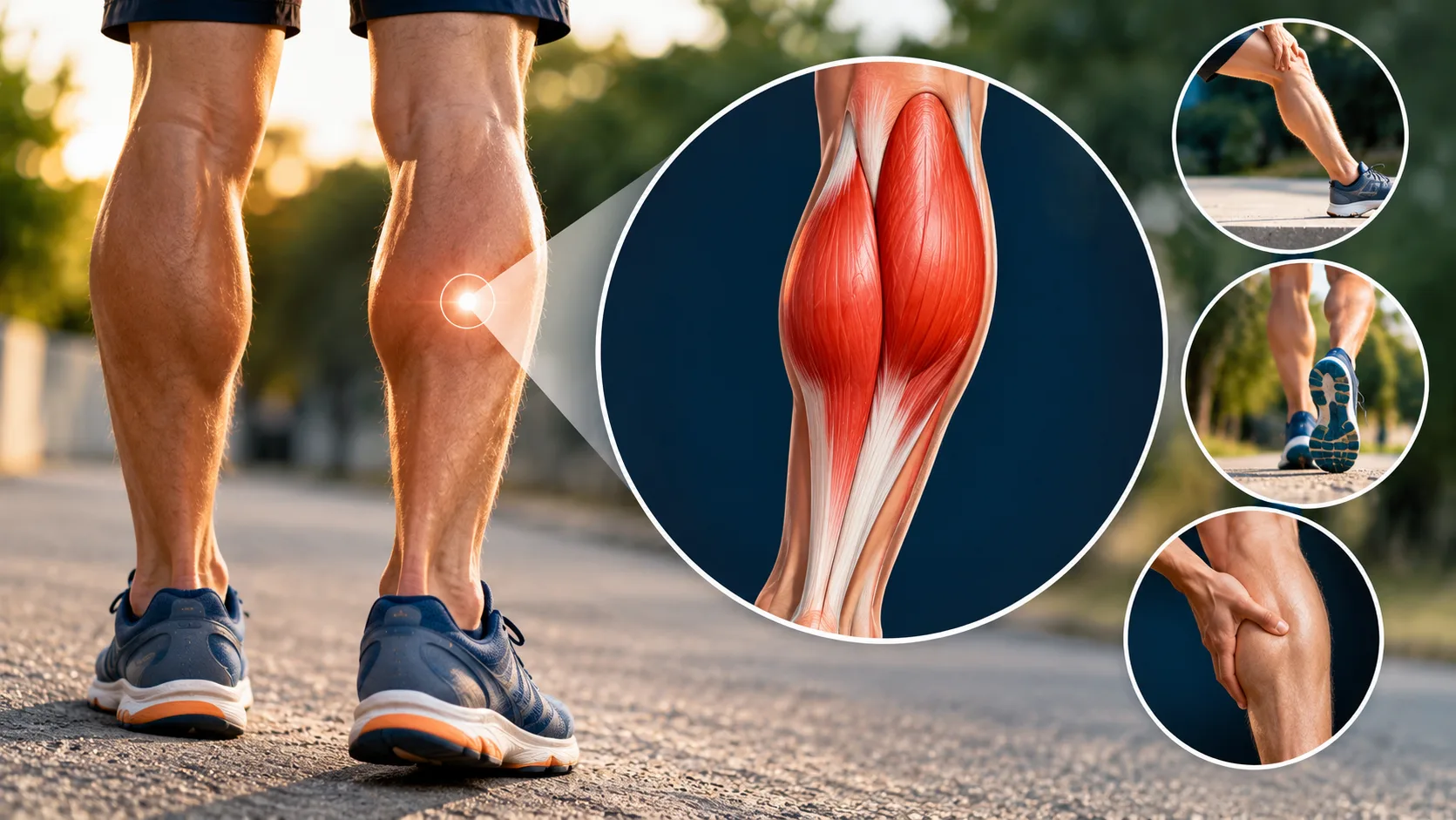
The leg calf is an important part of the lower body that supports everyday movements such as walking, running, standing, and climbing stairs. Located at the back of the lower leg, the calf contains powerful muscles, connective tissues, nerves, and blood vessels. Understanding leg calf anatomy helps explain how these structures work together to support movement, balance, and physical stability.
Although many people associate the calf mainly with exercise, its functions extend beyond sports and fitness. Calf muscles contribute to ankle movement, help propel the body forward, and assist blood circulation through the lower legs. This guide explains the meaning of the leg calf, its anatomy, major functions, common problems, and practical ways to maintain healthy calf muscles.
What Is the Leg Calf?
The leg calf is the muscular region at the back of the lower leg, extending between the knee and ankle. It forms the rounded area that becomes especially noticeable when standing on your toes. The calf consists primarily of muscles that control ankle movement, support body weight, and help generate force during walking and other activities.
Two major muscles form much of the calf’s visible shape and functional strength. These are the gastrocnemius and soleus muscles, which work together during many lower-body movements. Other surrounding muscles, tendons, nerves, and blood vessels contribute to the region’s overall function and help maintain normal movement throughout daily activities.
The calf also plays an important role in maintaining stability when standing or changing direction. Its muscles respond continuously to small changes in body position, helping control movement at the ankle. Because these structures are involved in frequent physical activity, understanding their basic anatomy can help people recognize discomfort and develop healthier movement habits.
Where Is the Calf Located in the Leg?
The calf is located on the posterior, or back, side of the lower leg. It begins below the knee and continues toward the heel, where important tendons connect muscle tissue to bone. This region lies behind the tibia and fibula, the two bones that form the supporting structure of the lower leg.
The upper portion of the calf contains the prominent gastrocnemius muscle, which creates much of the rounded appearance. Beneath it lies the soleus muscle, extending deeper through the lower leg. Together, these muscles connect through a strong tendon system that transfers force toward the heel and supports ankle movement.
The calf region also contains important nerves and blood vessels that supply the surrounding tissues. These structures help muscles receive oxygen, nutrients, and signals necessary for movement. Knowing the location of the calf can make it easier to describe symptoms accurately when discussing leg pain or physical concerns with healthcare professionals.
Understanding the Main Calf Muscles
The gastrocnemius is the large, superficial muscle that gives the calf much of its recognizable shape. It has two heads that originate near the lower end of the thighbone. Because it crosses both the knee and ankle joints, this muscle contributes to ankle plantarflexion and assists with bending the knee during movement.
The soleus is a broad muscle positioned underneath the gastrocnemius. Unlike the gastrocnemius, it does not cross the knee joint and primarily supports plantarflexion at the ankle. The soleus is particularly important for maintaining posture and controlling movement while standing, walking, and performing activities that require repeated lower-leg muscle engagement.
The plantaris is a smaller muscle that may also be present in the posterior lower leg. It contributes relatively little to overall movement compared with the gastrocnemius and soleus. These muscles work alongside other lower-leg structures, forming a coordinated system that supports mobility, balance, and force generation during everyday physical activities.
What Does the Calf Muscle Do?
One of the primary functions of the calf muscles is plantarflexion, which means pointing the foot downward at the ankle. This movement occurs when pushing off the ground during walking or rising onto your toes. The gastrocnemius and soleus generate the force needed to perform these actions efficiently and maintain normal movement patterns.
Calf muscles also contribute to balance and postural control. During standing, they make small adjustments that help keep the body stable over the feet. These adjustments become especially important when walking across uneven ground, changing direction, or performing movements that require coordination between the ankle, knee, and other lower-body joints.
Another important function involves assisting blood flow from the lower legs toward the heart. As the calf muscles contract, they compress nearby deep veins and help move blood upward through the venous system. This mechanism is commonly called the calf muscle pump and contributes to normal circulation during walking and other movements.
The Role of the Achilles Tendon in Calf Movement
The Achilles tendon is a strong connective tissue structure that links the calf muscles to the heel bone. It is formed primarily through the combined tendon structures of the gastrocnemius and soleus muscles. This connection allows forces generated by calf contractions to move the foot and support important weight-bearing activities.
During walking and running, the Achilles tendon helps transfer muscle force while storing and releasing elastic energy. This process contributes to efficient movement and supports actions such as climbing stairs, jumping, and pushing off the ground. The tendon experiences substantial mechanical demands, particularly during activities involving repeated acceleration or sudden changes in direction.
Achilles tendon problems may develop when the tissue experiences excessive or poorly managed loading. Symptoms can include discomfort, stiffness, and tenderness near the heel or along the tendon. Sudden severe pain accompanied by difficulty pushing off the foot requires prompt medical evaluation because it may indicate a significant tendon injury.
Common Causes of Leg Calf Pain
Calf pain can occur for several reasons, including muscle strain, cramping, overuse, and problems involving nearby tissues. A muscle strain develops when muscle fibers are injured, often during sudden acceleration or forceful movement. The resulting discomfort may range from mild soreness to significant pain that limits normal walking.
Muscle cramps are another common cause of temporary calf discomfort. They involve sudden, involuntary muscle contractions that can occur during physical activity, rest, or sleep. Exercise-related muscle fatigue, certain medications, and some medical conditions may contribute, although the exact cause of an individual cramp is not always clear.
Not all calf pain originates in the muscles. Problems involving nerves, blood vessels, tendons, or joints can also produce discomfort in the lower leg. Persistent pain, repeated swelling, or symptoms that interfere with walking should be evaluated by a healthcare professional rather than automatically attributed to ordinary muscle soreness.
Calf Muscle Strains and Other Common Injuries
A calf muscle strain commonly occurs when the muscle is stretched or loaded beyond what it can tolerate. Activities involving sprinting, jumping, or sudden directional changes may increase the likelihood of injury. Symptoms can include localized pain, tenderness, swelling, and difficulty performing movements that require pushing through the affected leg.
Calf strains vary in severity depending on the extent of muscle damage. Mild injuries may cause discomfort while allowing some normal movement, whereas more serious injuries can significantly limit walking. Appropriate assessment helps distinguish a simple strain from other conditions that may require different treatment or rehabilitation approaches.
Other problems affecting the calf region include Achilles tendinopathy, nerve irritation, and exertional compartment syndrome. These conditions can produce symptoms that resemble muscle injuries but have different underlying causes. A healthcare professional can assess the location, timing, and characteristics of discomfort to determine whether further investigation is necessary.
Calf Swelling and When to Seek Medical Help
Calf swelling may result from injury, inflammation, prolonged sitting, or problems affecting fluid circulation. Mild swelling sometimes develops after physical strain, but sudden or unexplained swelling should not be ignored. The presence of pain, warmth, redness, or noticeable differences between the legs may indicate a condition requiring prompt medical attention.
Deep vein thrombosis, commonly called DVT, occurs when a blood clot forms in a deep vein, often within the leg. Possible symptoms include one-sided calf swelling, pain, tenderness, and warmth, although some people have few symptoms. Suspected DVT requires urgent medical assessment because a clot can lead to serious complications.
Emergency care is necessary when leg symptoms occur alongside sudden shortness of breath, chest pain, fainting, or coughing up blood. These symptoms may indicate a pulmonary embolism or another serious medical problem. Avoid relying on massage, stretching, or home remedies when a blood clot is suspected, and seek appropriate professional evaluation.
How to Stretch and Improve Calf Flexibility
Gentle calf stretching can help maintain ankle mobility and reduce feelings of muscle tightness. A common standing stretch involves facing a wall, placing one foot behind the other, and keeping the back heel comfortably on the ground. Leaning forward slightly can create a gentle stretching sensation along the back of the lower leg.
Changing the position of the back knee can alter which calf structures receive greater emphasis. Keeping the knee relatively straight tends to emphasize the gastrocnemius, while bending it can place more emphasis on the soleus. Stretches should feel controlled and comfortable rather than painful, and sudden bouncing movements are generally unnecessary.
Flexibility routines work best when adapted to individual comfort, mobility, and health conditions. People recovering from calf injuries or experiencing unexplained pain should seek guidance before beginning stretching exercises. Regular comfortable movement may support normal ankle function, but stretching alone cannot prevent every injury or treat all causes of calf discomfort.
How to Strengthen Calf Muscles Safely
Calf strengthening exercises help support ankle stability, walking ability, and functional lower-body movement. Standing calf raises are a familiar example because they involve gradually lifting the heels while maintaining balance. This movement activates the gastrocnemius and soleus, helping the muscles work through a controlled range of motion.
Seated calf raises also engage the calf muscles, particularly the soleus, because the knees remain bent. Other functional activities, such as comfortable walking and climbing stairs, naturally involve repeated calf muscle contractions. Exercise selection should reflect individual ability, medical circumstances, and the demands of everyday movement rather than focusing only on intensity.
Gradual progression is important because sudden increases in exercise demands may cause unnecessary discomfort or overuse problems. Allowing sufficient recovery between challenging activities helps muscles adapt to new workloads. Anyone experiencing persistent pain, marked swelling, or an existing lower-leg injury should consult a qualified professional before attempting more demanding strengthening exercises.
How to Keep Your Calves Healthy Every Day
Maintaining healthy calves involves regular movement, appropriate footwear, and attention to overall physical well-being. Walking and other comfortable activities help maintain muscle function and support circulation through the lower legs. People who remain seated for extended periods may benefit from occasional movement breaks, depending on their personal circumstances and mobility needs.
Supportive footwear can also influence comfort during activities involving prolonged standing or walking. Shoes should fit properly and suit the type of movement being performed. However, no single footwear design is ideal for everyone, and persistent lower-leg discomfort may require individualized assessment rather than simply changing shoes.
Adequate rest, balanced nutrition, and appropriate hydration contribute to normal muscle function and recovery. Paying attention to unusual symptoms is equally important because calf discomfort can occasionally indicate problems beyond muscle fatigue. Combining healthy daily habits with timely medical guidance supports long-term mobility and helps protect the lower legs from avoidable problems.
Conclusion
The leg calf is an important anatomical region that supports walking, running, balance, and many other everyday activities. Its main muscles, including the gastrocnemius and soleus, work together with the Achilles tendon to control ankle movement. These structures also contribute to circulation by helping move blood through the lower limbs.
Understanding calf anatomy makes it easier to recognize how common problems such as strains, cramps, and tendon discomfort may develop. Gentle movement, suitable strengthening, and appropriate recovery can support normal calf function. However, sudden swelling, severe pain, or unexplained symptoms should receive medical attention because not every calf problem is related to ordinary muscle activity.
Keeping the calves healthy does not require complicated routines or excessive exercise. Consistent movement, practical mobility habits, and attention to physical comfort provide a useful foundation. By understanding the calf’s structure and recognizing important warning signs, people can make informed decisions about protecting their mobility and overall lower-leg health.
Frequently Asked Questions (FAQs)
What is the calf of the leg?
The calf is the muscular region at the back of the lower leg, between the knee and ankle. It contains muscles, tendons, nerves, and blood vessels that support movement, balance, and circulation.
What are the two main muscles in the calf?
The two main calf muscles are the gastrocnemius and soleus. Both help point the foot downward at the ankle, while the gastrocnemius also assists with knee movement and the soleus supports standing stability.
Why does my calf hurt when I walk?
Calf pain during walking may result from muscle strain, cramping, tendon problems, or circulation-related conditions. Persistent or recurring symptoms, especially pain that improves with rest, should be assessed by a healthcare professional.
What is the function of the calf muscle?
Calf muscles support walking, running, jumping, standing, and ankle stability. Their contractions also help move blood through the veins of the lower legs, contributing to normal circulation during physical activity.
How can I tell if calf pain is serious?
Sudden unexplained swelling, warmth, severe pain, or significant difficulty walking deserves prompt medical assessment. Calf symptoms accompanied by chest pain, breathing difficulty, or fainting require immediate emergency care.