


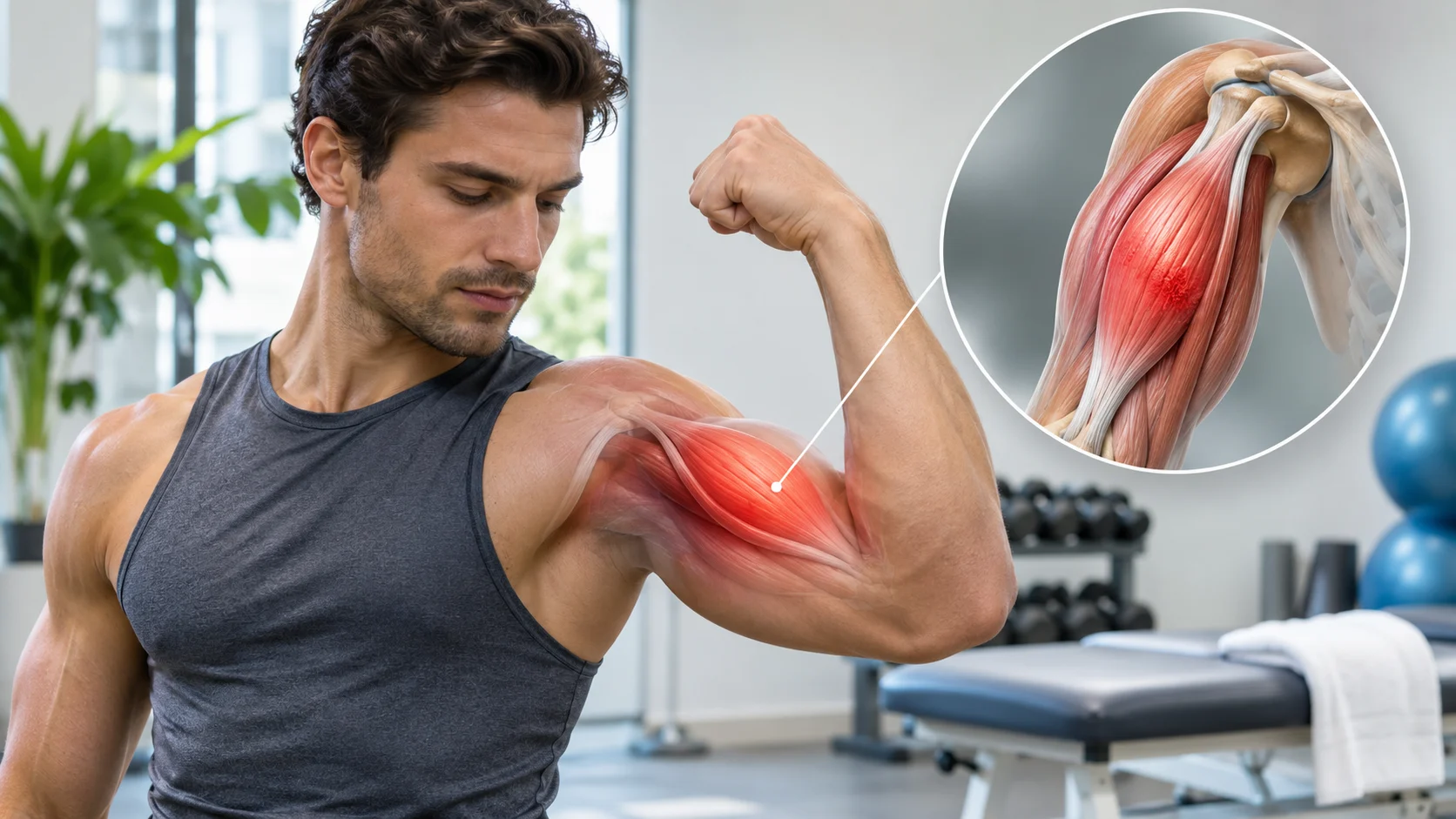
Understanding Bicep Muscles and Their Importance
Bicep muscles play an important role in moving the arms, bending the elbows, and performing everyday activities. Whether you are carrying groceries, opening a door, or picking up an object, these muscles help support comfortable arm movement. Understanding their location, structure, and function can help you recognize common muscle problems and maintain healthy arm movement.
The biceps are located at the front of the upper arms and work alongside several other muscles to support movement. They connect to bones through strong tissues called tendons, which transfer muscular force during physical activities. When these muscles or tendons become irritated, strained, or injured, everyday movements may become uncomfortable or difficult to perform.
Although biceps are commonly associated with physical exercise, their importance extends beyond fitness activities. They support many ordinary movements that require coordination between the shoulders, elbows, and forearms. Learning about common biceps injuries, possible symptoms, and appropriate care can help you better understand arm health and recognize when professional medical attention may be necessary.
What Are Bicep Muscles?
The biceps brachii is a skeletal muscle located at the front of each upper arm between the shoulder and elbow. The word biceps refers to its two heads, which begin at different locations around the shoulder. These two sections join together to form a single muscle that contributes to several important movements of the arm.
Skeletal muscles are responsible for movements that people can usually control voluntarily, such as lifting objects or bending their elbows. The biceps receive signals from the nervous system that cause their muscle fibers to contract when movement is required. These contractions generate force, allowing the arms to perform various tasks throughout everyday life.
Although people commonly use the term bicep when referring to one upper arm muscle, biceps brachii is the correct anatomical name. Each arm contains one biceps brachii muscle with two distinct heads. Both sections work together with surrounding muscles, joints, and tendons to support coordinated movement, stability, and functional strength during normal physical activities.
Where Are the Bicep Muscles Located?
The bicep muscle is located along the front portion of the upper arm, extending from the shoulder region toward the elbow. It sits above the brachialis muscle, which also contributes to bending the elbow. Its position allows it to participate in movements involving both the shoulder joint and the elbow joint during daily activities.
At the upper end, the biceps connect to the shoulder blade through two separate tendons associated with the long and short heads. At the lower end, a shared tendon attaches the muscle to the radius, one of the two forearm bones. These attachment points allow the biceps to influence elbow movement and forearm rotation.
You can understand the general location of the biceps by observing the front of your upper arm during ordinary elbow movements. The muscle changes shape as it contracts and relaxes while working with nearby structures. However, its appearance alone cannot determine muscle health, physical strength, or whether an underlying injury is present within the arm.
Anatomy of the Biceps Brachii Muscle
The long head of the biceps begins near the upper portion of the shoulder socket and travels through the shoulder region before joining the main muscle. Its tendon passes along a groove in the upper arm bone. This location can make the long head tendon vulnerable to irritation associated with repetitive shoulder movements and certain injuries.
The short head of the biceps begins at a projection of the shoulder blade known as the coracoid process. It follows a different path before joining the long head to form the main body of the biceps muscle. Both heads contribute to elbow bending and forearm rotation rather than functioning as completely independent muscles.
The musculocutaneous nerve supplies signals to the biceps brachii, allowing the muscle to contract and participate in controlled movements. Blood vessels provide oxygen and nutrients needed for normal muscle function and tissue recovery. Together, these anatomical structures support the coordinated relationship between the nervous system, muscles, tendons, and bones throughout the upper arm.
Main Functions of the Bicep Muscles
One of the primary functions of the biceps is elbow flexion, which means bending the elbow to bring the forearm closer to the upper arm. This movement is involved in activities such as eating, carrying a bag, or lifting a cup. Other muscles, including the brachialis and brachioradialis, also contribute to this important everyday movement.
Another important function is forearm supination, which involves rotating the forearm so the palm faces upward or forward, depending on the arm’s position. This movement helps people perform tasks such as turning a doorknob or using a screwdriver. The biceps contribute significantly to this rotation, particularly when the elbow is in a bent position.
The biceps also assist with certain shoulder movements because their upper tendons connect to the shoulder blade. Although larger shoulder muscles perform much of the work, the biceps can contribute to forward arm movement and shoulder stability. These combined functions demonstrate why healthy biceps are important for maintaining comfortable and coordinated upper body movement.
Biceps vs. Triceps: Understanding the Difference
The biceps and triceps are two major muscles located on opposite sides of the upper arm. While the biceps occupy the front portion, the triceps are positioned along the back. Both muscles contribute to everyday arm movements, but they perform different primary functions that help the elbow move smoothly in opposite directions.
The biceps assist with bending the elbow, while the triceps are primarily responsible for straightening it. These muscles coordinate during activities that require controlled movement, such as placing an object on a table. Their combined actions allow the arm to adjust its position while maintaining appropriate stability and control throughout different physical tasks.
Healthy arm function depends on more than either the biceps or triceps working independently during movement. Other muscles in the shoulders, forearms, and upper back also contribute to coordination and stability. Maintaining comfortable movement and balanced physical activity can support these muscle groups without placing unnecessary stress on any single part of the arm.
Common Bicep Muscle Problems and Injuries
Biceps muscle strain occurs when muscle fibers become overstretched or damaged because of excessive physical demands or sudden movements. It may develop during unfamiliar activities, repetitive lifting, or unexpected changes in the amount of force placed on the arm. Common symptoms include localized soreness, tenderness, and discomfort when using the affected muscle.
Biceps tendonitis is another common condition involving irritation or inflammation of the tendons that connect the muscle to bones. It frequently affects the long head tendon near the shoulder, although problems can also develop near the elbow. Repeated movements and certain shoulder conditions may contribute to tendon irritation that gradually affects everyday arm function.
A biceps tendon tear is a more significant injury that occurs when a tendon becomes partially or completely damaged. These injuries may develop suddenly or result from gradual weakening of the tendon over time. Sudden pain, noticeable weakness, swelling, or changes in the muscle’s shape should receive prompt medical attention to determine the underlying cause.
What Causes Bicep Muscle Pain?
Overuse is a common reason for discomfort around the biceps, particularly when repetitive activities place ongoing demands on the upper arm. Tasks involving frequent lifting, pulling, or reaching may contribute to muscle fatigue and tendon irritation. Insufficient recovery between physically demanding activities can also make existing discomfort more noticeable during ordinary arm movements.
Biceps pain can sometimes originate from nearby structures rather than the muscle itself. Shoulder joint conditions, rotator cuff injuries, and irritated nerves may produce discomfort that extends into the front of the upper arm. Because these symptoms can overlap, identifying the exact location of pain does not always reveal which structure is causing the problem.
Other potential causes include accidental injuries, muscle cramps, prolonged physical strain, and underlying conditions affecting the joints or nervous system. Some people experience temporary muscle soreness after unfamiliar activities without having a significant injury. However, persistent, unexplained, or worsening upper arm pain should be evaluated instead of automatically assuming that ordinary muscle strain is responsible.
Signs and Symptoms of Biceps Injuries
Mild biceps injuries may cause aching, tenderness, or discomfort when bending the elbow or performing movements involving the shoulder. Some individuals notice that particular activities increase their symptoms, while resting the affected arm provides temporary relief. The intensity of discomfort can vary depending on whether the muscle, tendon, or another nearby structure is involved.
Tendon irritation near the shoulder may produce discomfort at the front of the shoulder that extends down the upper arm. Symptoms can become more noticeable during reaching, lifting, or repetitive movements. Problems affecting the lower biceps tendon may instead cause discomfort around the front of the elbow, particularly during activities involving forearm rotation.
More significant injuries can cause sudden pain, bruising, swelling, and a noticeable reduction in arm strength or function. Some tendon tears may also result in an unusual change in the shape of the upper arm. These symptoms require professional assessment because early evaluation can help determine whether rehabilitation, medical treatment, or another form of care is necessary.
How Are Bicep Muscle Injuries Treated?
Treatment for biceps injuries depends on the affected structure, severity of the problem, and individual health circumstances. Healthcare professionals may examine arm movement, muscle function, tenderness, and the circumstances surrounding the injury before recommending care. Imaging tests such as ultrasound or magnetic resonance imaging may be helpful when a tendon injury is suspected.
Mild muscle strains and certain tendon problems may improve with appropriate activity adjustments and professionally recommended rehabilitation. Temporarily avoiding movements that aggravate symptoms can help reduce unnecessary irritation while the affected tissues recover. A qualified physiotherapist may introduce suitable mobility and strengthening activities when appropriate for the individual’s condition and stage of recovery.
Some biceps tendon injuries require additional medical treatment, particularly when significant weakness or loss of function is present. Complete tendon tears near the elbow may require surgical evaluation, while certain shoulder tendon injuries can be managed without surgery. Early medical assessment is important because delaying appropriate treatment may affect recovery options and long-term arm function.
How to Maintain Healthy Bicep Muscles
Regular physical activity that suits your age, abilities, and overall health can help maintain normal muscle function and joint mobility. Gradually becoming familiar with new activities allows muscles and connective tissues to adapt to changing physical demands. Avoiding sudden increases in strenuous activity can also help reduce unnecessary stress on the biceps and surrounding structures.
Adequate rest, sufficient sleep, balanced meals, and regular hydration support normal muscle function and recovery. These everyday habits help the body manage physical demands and maintain healthy tissues throughout the upper limbs. Taking breaks during repetitive tasks can also reduce muscle fatigue and provide opportunities for the arms and shoulders to relax comfortably.
Paying attention to pain and changes in arm function is another important part of maintaining muscle health. Avoid continuing activities that cause sharp pain, worsening discomfort, or unusual weakness in the affected arm. If symptoms repeatedly return during ordinary movements, a healthcare professional can help identify contributing factors and recommend appropriate adjustments or rehabilitation.
When Should You See a Doctor for Bicep Pain?
Occasional mild muscle soreness may improve as the affected tissues recover, but persistent discomfort should not be ignored. Consider seeking medical advice if upper arm pain interferes with sleep, school, work, or other everyday activities. A professional examination can help distinguish ordinary muscle soreness from tendon irritation, joint problems, or other underlying conditions.
Sudden upper arm pain following an injury, especially when accompanied by a popping sensation, significant swelling, or reduced strength, requires prompt medical attention. These symptoms may indicate a tendon injury or another problem affecting normal arm function. Avoid attempting strenuous exercises or testing the injured muscle repeatedly before receiving an appropriate medical assessment.
Seek emergency medical care if unexplained arm pain occurs alongside chest pressure, shortness of breath, faintness, or unusual sweating. An arm that becomes suddenly cold, pale, or numb also requires urgent assessment. Although many causes of biceps discomfort are related to muscles and tendons, recognizing serious warning signs is essential for receiving appropriate care.
Conclusion
Bicep muscles are essential structures located at the front of the upper arms that contribute to elbow bending, forearm rotation, and certain shoulder movements. Their two-headed structure allows them to work effectively alongside surrounding muscles, tendons, and joints. Understanding biceps anatomy provides a useful foundation for recognizing how these muscles support everyday physical activities.
Common biceps problems include muscle strains, tendon irritation, and tendon tears that may affect comfortable arm movement. Although some discomfort can develop after repetitive activities or unfamiliar physical demands, persistent pain and noticeable weakness require appropriate attention. Recognizing unusual symptoms can help prevent unnecessary complications and support more informed decisions about muscle care and recovery.
Maintaining healthy biceps involves comfortable physical activity, adequate recovery, balanced nutrition, and attention to changes in muscle function. Avoiding excessive strain and seeking professional guidance when necessary can help protect the muscles and surrounding tissues. By understanding how the biceps work, individuals can take practical steps toward maintaining healthy and comfortable upper arm movement.
FAQs
Where are the bicep muscles located?
The biceps brachii muscles are located at the front of the upper arms between the shoulders and elbows. They connect to bones through tendons that support arm movement and forearm rotation.
What are the main functions of the biceps?
The main functions of the biceps are bending the elbow and rotating the forearm so the palm faces upward. They also assist with certain shoulder movements and everyday arm activities.
What causes pain in the bicep muscle?
Biceps pain may develop because of muscle strain, repetitive movements, tendon irritation, or nearby shoulder problems. Persistent or worsening discomfort should be evaluated by a healthcare professional to determine its cause.
What are the two heads of the biceps muscle?
The two heads are the long head and the short head of the biceps brachii. They begin at different locations on the shoulder blade before joining together to form one muscle.
How long does a bicep muscle injury take to heal?
Recovery depends on the type and severity of the injury. Mild strains may improve within several weeks, while significant tendon injuries can require several months of treatment and rehabilitation.