


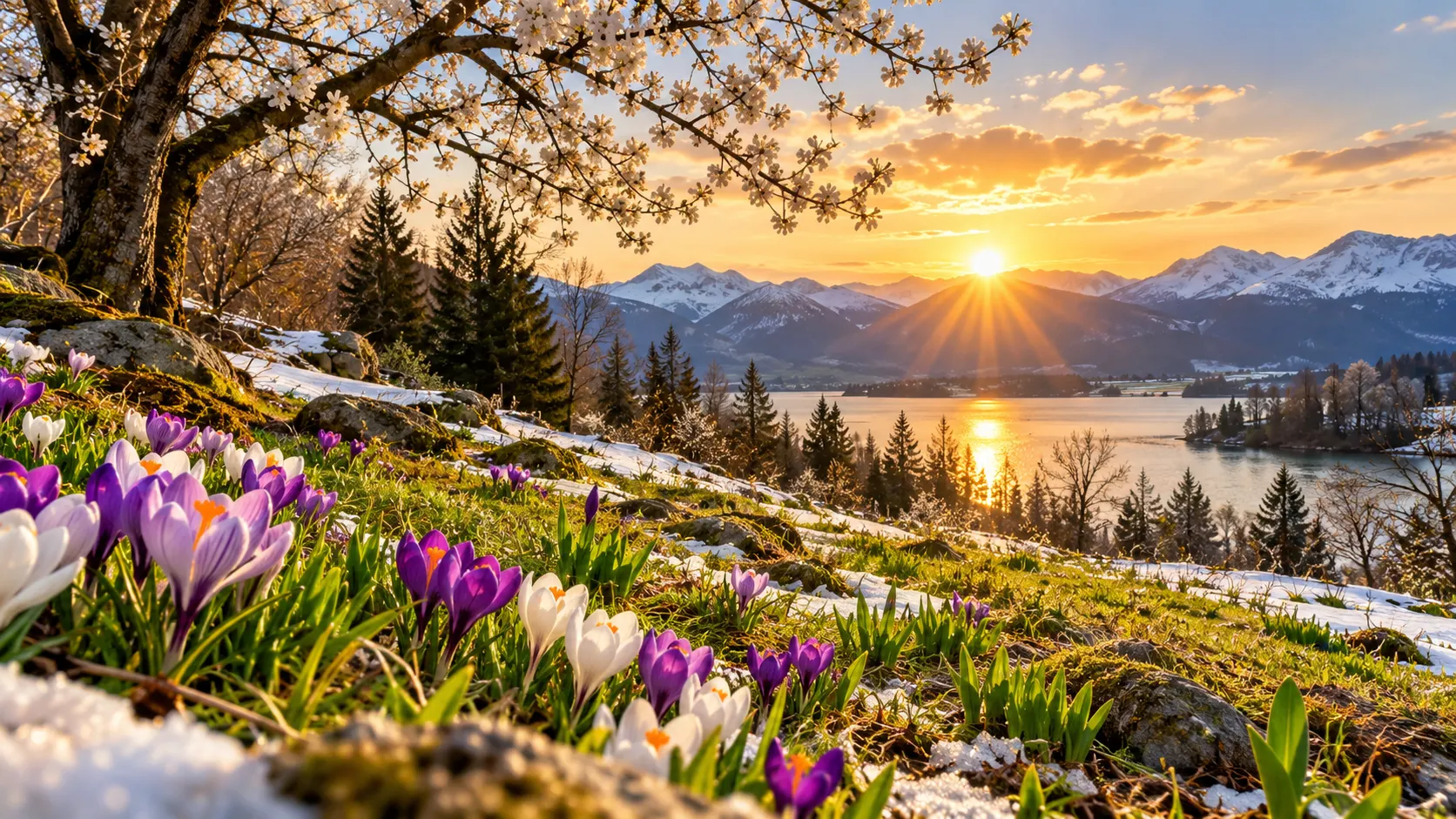
Spring is a season of fresh beginnings, warmer temperatures, blooming flowers, and longer daylight hours. After the colder months of winter, many people eagerly wait for the arrival of spring to enjoy outdoor activities and changing landscapes. However, one common question appears every year: When is the first day of spring? The answer depends on where you live and how the seasons are defined.
In the Northern Hemisphere, astronomical spring generally begins around March 20, while meteorological spring always starts on March 1. In the Southern Hemisphere, the seasonal calendar is different because spring arrives during September. Understanding these differences helps explain why people in different countries celebrate the beginning of spring on different dates.
The first day of spring is connected to Earth’s movement around the Sun, changes in daylight, and seasonal weather patterns. Scientists use astronomical events and temperature cycles to determine when seasons begin and end. Learning about the spring equinox, meteorological seasons, and regional differences makes it easier to understand this important seasonal transition.
When Is the First Day of Spring in 2027?
The first day of astronomical spring in 2027 in the Northern Hemisphere is Saturday, March 20, 2027, based on Coordinated Universal Time. The spring equinox occurs at approximately 20:24 UTC on that date. In some locations, the local calendar date may differ because of time zones, but March 20 is the commonly recognized astronomical beginning of spring in 2027.
For people living in the United States, Canada, the United Kingdom, and most European countries, spring begins around this March equinox. The event marks the transition from astronomical winter into a season associated with increasing daylight and generally warming conditions. However, the arrival of the equinox does not guarantee that every region will immediately experience comfortable temperatures or springlike weather.
Meteorological spring follows a different calendar and begins on March 1, 2027, in the Northern Hemisphere. This definition groups seasons into three complete calendar months, making weather observations easier to compare across different years. Both dates are correct within their respective systems, so the official answer depends on whether you mean astronomical or meteorological spring.
What Is the Spring Equinox?
The spring equinox, also called the vernal equinox, is an astronomical event that marks the beginning of spring in the traditional astronomical calendar. It happens when the Sun crosses the celestial equator, an imaginary extension of Earth’s equator into space. During the March equinox, the Sun moves from the southern celestial hemisphere into the northern celestial hemisphere.
The word equinox comes from Latin words associated with equal night, reflecting the nearly balanced periods of daylight and darkness around this event. Although many people believe day and night are exactly twelve hours each, this is not completely accurate. Atmospheric refraction, the Sun’s apparent size, and the definition of sunrise and sunset create small differences.
The spring equinox occurs because Earth’s axis is tilted as the planet travels around the Sun. During this event, neither hemisphere is tilted toward the Sun as strongly as it is during its summer season. After the March equinox, daylight generally continues increasing across the Northern Hemisphere until the summer solstice arrives in June.
Why Does the First Day of Spring Change Every Year?
Many people wonder why the first day of spring sometimes falls on March 19, March 20, or March 21. The main reason involves the difference between Earth’s orbital period and the calendar used to organize our years. Earth takes approximately 365.2422 days to complete a seasonal cycle, which does not match the 365 days of a standard calendar year.
Because the calendar and astronomical year do not align perfectly, the timing of the spring equinox shifts slightly each year. Leap years help correct this difference by adding an extra day to February approximately every four years. These adjustments prevent the seasons from gradually drifting away from their expected positions within the calendar.
Time zones also influence the local date on which the spring equinox occurs. An equinox happening late in the evening in one country may occur during the following morning somewhere else. For this reason, checking the astronomical date for your specific location is more accurate than assuming the beginning of spring always happens on March 20 everywhere.
Astronomical Spring vs. Meteorological Spring
Astronomical spring is determined by Earth’s position relative to the Sun and begins at the spring equinox. In the Northern Hemisphere, it normally starts around March 20 and ends at the June solstice. This system follows natural astronomical events, including equinoxes and solstices, which describe significant changes in Earth’s seasonal cycle.
Meteorological spring uses a simpler system based on annual temperature patterns and complete calendar months. In the Northern Hemisphere, it begins on March 1 and continues through March, April, and May. Meteorologists prefer this approach for many climate studies because consistent three-month seasons make historical weather records easier to organize and compare.
Neither definition is incorrect because each serves a different purpose in understanding seasonal changes. Astronomical spring is useful when discussing Earth’s orbit, daylight, and seasonal astronomy, while meteorological spring supports weather forecasting and climate analysis. Understanding both systems explains why some calendars show March 1 as the first day of spring while others identify the March equinox.
When Does Spring Start in the Northern Hemisphere?
In the Northern Hemisphere, astronomical spring generally begins between March 19 and March 21, depending on the year and location. This includes countries such as the United States, Canada, the United Kingdom, China, Pakistan, and much of Europe. The season continues until the June solstice, when astronomical summer officially begins in the region.
During this period, the Northern Hemisphere gradually receives longer periods of daylight as Earth continues its annual journey around the Sun. Rising temperatures encourage plants to grow, flowers to bloom, and many animals to become more active. However, seasonal changes happen at different speeds depending on latitude, altitude, climate, and local weather conditions.
Northern regions may experience snow or freezing temperatures well after astronomical spring begins, while warmer areas may already have blooming plants. Places near the equator generally experience smaller differences in daylight throughout the year compared with higher latitudes. Consequently, the beginning of spring represents an astronomical transition rather than a universal moment when warm weather suddenly arrives.
When Does Spring Start in the Southern Hemisphere?
The first day of spring in the Southern Hemisphere generally occurs around September 22 or September 23. Countries such as Australia, New Zealand, Argentina, Chile, and South Africa experience spring during months associated with autumn in the Northern Hemisphere. This difference exists because Earth’s axial tilt produces opposite seasons on the two sides of the equator.
When the Northern Hemisphere moves toward shorter days and cooler temperatures in September, the Southern Hemisphere begins receiving increasing daylight. The September equinox marks the astronomical beginning of spring in southern regions. As the season progresses, temperatures generally rise, vegetation becomes more active, and daylight continues increasing until the December solstice.
Meteorological spring in the Southern Hemisphere begins on September 1 and lasts until November 30. This seasonal calendar is widely useful for weather observation and climate reporting. Understanding these regional differences is especially important when planning international travel because spring weather in Australia occurs at a completely different time from spring conditions in North America.
How Long Does the Spring Season Last?
Astronomical spring usually lasts approximately three months, although its exact duration varies slightly because Earth’s orbital speed changes throughout the year. In the Northern Hemisphere, it begins at the March equinox and ends at the June solstice. The number of calendar days can vary depending on the exact timing of these astronomical events.
Meteorological spring has a fixed duration because it includes March, April, and May in the Northern Hemisphere. Together, these three months contain ninety-two days every year. In the Southern Hemisphere, meteorological spring includes September, October, and November, providing another consistent three-month period for recording and comparing seasonal weather conditions.
The experience of spring can feel shorter or longer depending on local climate and geography. Some regions quickly transition from cold weather into summerlike temperatures, while others experience extended periods of mild conditions. Even though the calendar provides clear seasonal boundaries, nature does not always follow those dates exactly, making the arrival and duration of spring feel different across locations.
What Happens to Nature During Spring?
Spring brings significant changes to plants, animals, and ecosystems as increasing daylight and seasonal temperatures influence biological activity. Many trees begin producing new leaves, while flowering plants develop colorful blossoms after winter dormancy. These changes depend on environmental signals such as temperature, moisture, and daylight length rather than simply occurring on the official first day of spring.
Wildlife also responds to changing seasonal conditions in different ways. Some migratory birds return to breeding areas, while other animals increase their activity as food becomes more available. Insects such as bees and butterflies become more noticeable in suitable weather, supporting pollination and helping flowering plants reproduce throughout the growing season.
Spring is also an important period for agriculture and gardening in many climates. Farmers prepare fields, plant seasonal crops, and monitor soil temperatures to support healthy growth. Gardeners often begin caring for outdoor plants and preparing flower beds, although planting schedules depend on regional frost dates and weather patterns rather than astronomical spring alone.
Why Do Days Get Longer in Spring?
One of the most noticeable characteristics of spring is the gradual increase in daylight hours across the Northern Hemisphere. This happens because Earth’s axis is tilted approximately 23.4 degrees relative to its orbital plane. As Earth moves around the Sun, the Northern Hemisphere gradually receives sunlight for longer portions of each day between the winter and summer solstices.
At the spring equinox, daylight and darkness are close to equal in duration at many locations around the world. Afterward, the Sun generally rises earlier and sets later across much of the Northern Hemisphere. The exact amount of additional daylight depends on latitude, with higher-latitude locations often experiencing more dramatic changes than places closer to the equator.
Longer daylight periods influence daily routines, ecosystems, and seasonal activities. Plants use sunlight for photosynthesis, while many animals respond to changes in day length when regulating reproduction and migration. People also gain additional opportunities for outdoor recreation during daylight hours, making spring a popular season for walking, gardening, and spending time outside.
What Is the Weather Usually Like in Spring?
Spring weather is often associated with gradually warming temperatures, changing cloud patterns, and increased rainfall in many regions. However, conditions vary significantly depending on geography and climate. Some places experience mild sunshine and gentle breezes, while others continue dealing with snow, frost, thunderstorms, or rapidly changing temperatures during the early weeks of spring.
In temperate climates, spring frequently represents the transition between winter’s colder conditions and summer’s warmer weather. This transition can produce considerable temperature fluctuations as different air masses move across a region. A warm afternoon may be followed by a chilly evening, making layered clothing and attention to local forecasts practical during unpredictable seasonal conditions.
Rainfall patterns also differ widely around the world during spring. Some regions experience frequent showers that support vegetation growth, while others remain relatively dry until a separate rainy season begins. Rather than assuming spring always brings pleasant weather, it is useful to examine regional climate patterns and short-term forecasts when planning activities.
How Is the First Day of Spring Celebrated Around the World?
Different cultures celebrate the arrival of spring through festivals, community gatherings, and traditions connected with renewal and seasonal change. These celebrations often reflect agricultural history, religious customs, or the symbolic importance of new beginnings. Although their dates and activities vary, many traditions recognize spring as a meaningful transition toward growth and increased natural activity.
Nowruz, celebrated in countries including Iran and by communities across Central and South Asia, is closely associated with the March equinox. It marks the beginning of the new year in the Persian calendar and includes traditions involving family gatherings, symbolic decorations, and special meals. The celebration highlights themes of renewal, prosperity, and the changing seasons.
Japan is famous for its cherry blossom season, which attracts visitors eager to experience flowering trees during spring. Hanami, the tradition of appreciating blossoms, brings people together in gardens and parks as flowers appear. Other regions celebrate spring through local flower festivals, outdoor markets, and cultural activities that reflect their own seasonal landscapes and community traditions.
Best Activities to Enjoy on the First Day of Spring
The first day of spring can be a wonderful opportunity to spend more time outdoors and appreciate seasonal changes. Walking through a local park, exploring a nature trail, or visiting a botanical garden allows you to observe emerging plants and wildlife. Even a short outdoor activity can provide a refreshing change from spending much of winter indoors.
Gardening is another popular way to welcome spring, especially as soil temperatures begin rising in suitable climates. You might prepare garden beds, organize outdoor spaces, or explore plants that grow well in your region. Before planting, check local frost conditions because the astronomical beginning of spring does not necessarily mean temperatures are warm enough for every plant.
Spring also offers opportunities to refresh daily routines and organize living spaces. Cleaning your home, opening windows during comfortable weather, or planning seasonal outings can create a sense of renewal. Whether you prefer outdoor recreation or quieter activities, celebrating spring does not require an elaborate event, and simple experiences can make the seasonal transition enjoyable.
How to Prepare for the Spring Season
Preparing for spring often begins with understanding your local weather patterns and anticipating seasonal changes. Review forecasts to see when temperatures may rise and whether late frost, heavy rain, or storms remain possible. This information can help you plan clothing, outdoor activities, gardening projects, and travel without assuming the first day of spring guarantees mild weather.
Home maintenance is another useful consideration as winter conditions begin changing. Cleaning outdoor areas, checking drainage systems, and inspecting windows or roofs can help identify problems that developed during colder months. If your area experiences heavy spring rainfall, keeping gutters and drainage paths clear can also reduce the likelihood of water accumulating around your property.
Spring preparation can also involve adjusting everyday habits to take advantage of increasing daylight and outdoor opportunities. You may decide to spend more time walking, maintaining a garden, or organizing seasonal activities with family and friends. Keeping plans flexible is helpful because early spring weather can change quickly, especially in regions where winter conditions sometimes continue into March or April.
Conclusion
The answer to when is the first day of spring depends on your location and the seasonal calendar being used. In the Northern Hemisphere, astronomical spring begins on March 20 in 2027, while meteorological spring starts on March 1. The Southern Hemisphere follows an opposite seasonal pattern, with astronomical spring beginning around the September equinox.
Spring is much more than a date on the calendar because it represents important changes in daylight, weather, ecosystems, and daily life. The spring equinox marks a significant astronomical event, while meteorological seasons help scientists organize climate information. Understanding these differences provides a clearer picture of why spring does not begin on exactly the same date everywhere.
Whether you celebrate spring through gardening, outdoor activities, cultural traditions, or simply enjoying longer days, the season offers many opportunities to appreciate nature. Remember that local weather conditions may not immediately match the calendar’s seasonal definition. By understanding when spring begins and what changes to expect, you can prepare for the season and enjoy its arrival.
Frequently Asked Questions
What is the exact first day of spring in 2027?
The first day of astronomical spring in the Northern Hemisphere is March 20, 2027, with the equinox occurring at 20:24 UTC. Meteorological spring begins earlier, on March 1, 2027.
Is the first day of spring March 1 or March 20?
Both dates are correct under different definitions. Meteorological spring begins on March 1 in the Northern Hemisphere, while astronomical spring begins around March 20, depending on the year’s equinox timing.
Why is the spring equinox important?
The spring equinox marks the astronomical beginning of spring in one hemisphere and autumn in the other. It occurs when the Sun crosses the celestial equator, with daylight and darkness nearly equal in length.
Does spring start on the same day everywhere?
No, spring begins at different times depending on the hemisphere and seasonal definition. Northern Hemisphere astronomical spring starts around March, while Southern Hemisphere astronomical spring begins around September.
When does spring end and summer begin?
In the Northern Hemisphere, astronomical spring ends at the June solstice, usually around June 20 or 21. Meteorological spring ends on May 31, with meteorological summer beginning on June 1.