


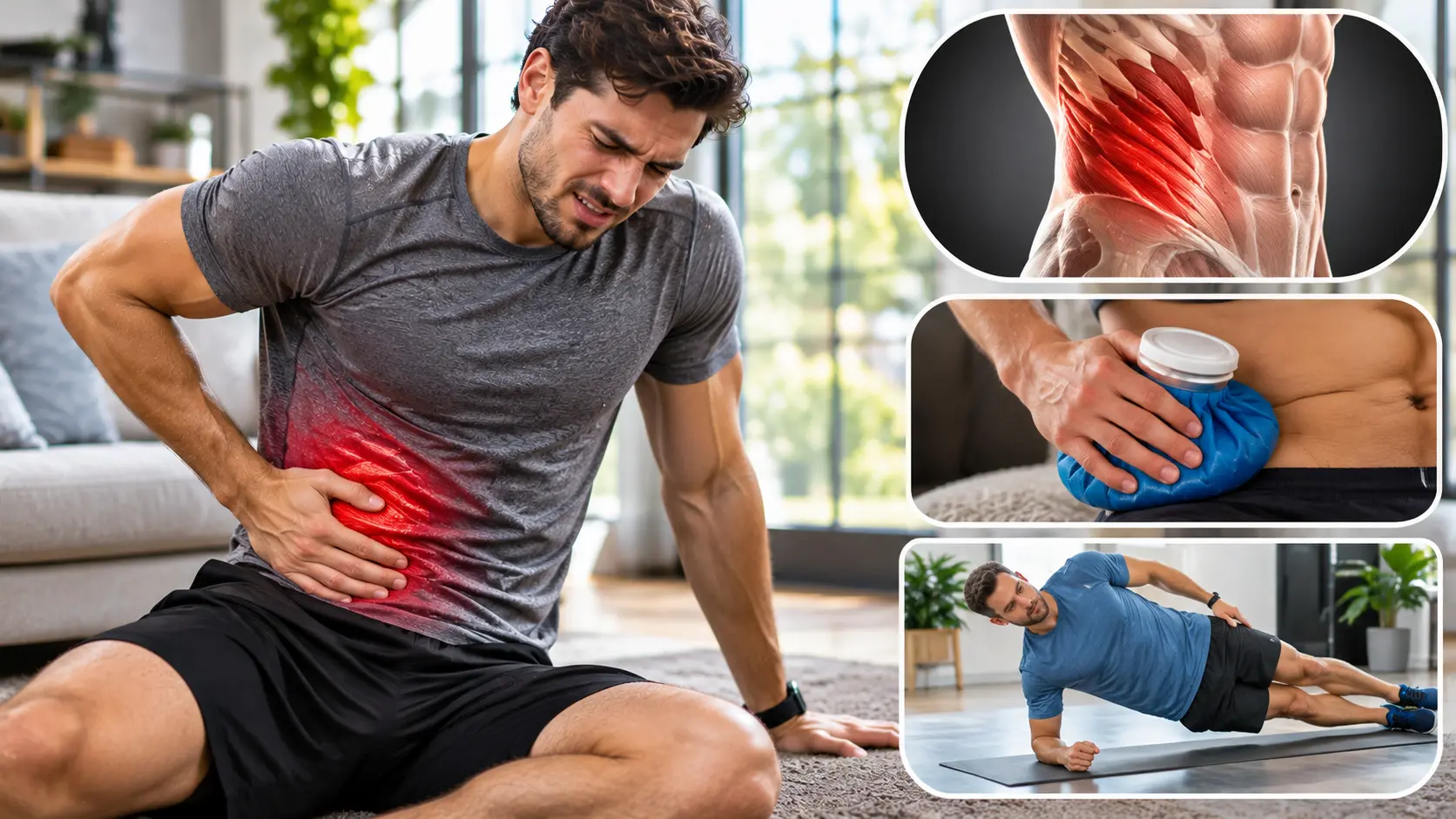
Oblique strain recovery time depends on the severity of the muscle injury, the activities you perform, and how well your body responds to treatment. An oblique strain can cause sharp or aching pain along the side of your abdomen, especially during twisting, bending, or physical activity. Although mild injuries often improve within a few weeks, more serious strains may require extended recovery and rehabilitation.
Understanding the causes, symptoms, and treatment options can help you manage an oblique muscle strain safely. Proper rest, gradual movement, and appropriate strengthening exercises may support the healing process. This guide explains how long oblique strains typically take to heal, what affects recovery, and when abdominal muscle pain needs medical attention.
What Is an Oblique Muscle Strain?
An oblique muscle strain occurs when the muscles along the sides of your abdomen become overstretched or injured. These muscles help support your trunk, rotate your torso, and control sideways bending movements. Sudden twisting or excessive physical force can damage muscle fibers. The resulting discomfort may interfere with exercise, sports, and everyday activities that require abdominal movement.
Your abdominal wall contains external and internal oblique muscles that work together to stabilize your body. The external obliques are closer to the surface, while the internal obliques lie underneath them. Both muscle groups contribute to posture, movement, and core stability. Injuries can affect either group, depending on the movement involved and the forces placed on the muscles.
Oblique strains are particularly common in sports that involve repeated rotation, such as baseball, tennis, golf, and cricket. However, these injuries can also develop during ordinary activities involving lifting or sudden movements. Some people experience immediate pain, while others notice increasing soreness after physical activity. Recognizing the injury early can help prevent additional muscle irritation.
Common Causes of Oblique Strain
Sudden twisting is one of the most common causes of an oblique strain. Activities such as swinging a racket, throwing a ball, or rapidly turning the upper body place considerable stress on abdominal muscles. When the force exceeds what the muscles can tolerate, small or more significant tears may develop. The injury may occur during a single movement.
Repetitive physical activity can also contribute to oblique muscle injuries, especially when the muscles do not receive adequate recovery. Sports involving frequent rotation may repeatedly load the same muscle fibers. Fatigue, insufficient conditioning, and sudden increases in training intensity can further increase the risk. These factors may combine rather than acting as separate causes.
An oblique strain may also occur during lifting, awkward bending, or an unexpected movement. Weakness in surrounding trunk muscles can make certain activities harder to control. Previous abdominal injuries may also influence how the body handles physical stress. Gradual conditioning and appropriate movement techniques can help reduce the likelihood of future muscle problems.
Signs and Symptoms of an Oblique Strain
The most common symptom of an oblique strain is pain along one side of the abdomen or near the lower ribs. Discomfort often becomes more noticeable when twisting, bending, coughing, or laughing. Some people describe a pulling sensation, while others experience sudden sharp pain. The affected area may also feel tender when touched.
Additional symptoms can include muscle tightness, localized swelling, or weakness during trunk movement. More significant strains may produce bruising, although visible skin changes are not always present. Everyday activities such as getting out of bed or reaching sideways can become uncomfortable. Symptoms depend on the location and severity of the muscle damage.
Oblique strain symptoms can resemble other causes of abdominal or rib pain. Conditions involving the ribs, abdominal organs, or other muscles may produce discomfort in similar areas. Therefore, pain location alone cannot reliably confirm a muscle strain. Persistent, unexplained, or worsening symptoms should be evaluated by a healthcare professional to identify the underlying cause.
Different Grades of Oblique Muscle Strain
Healthcare professionals often classify muscle strains into three grades based on the extent of tissue damage. A Grade 1 oblique strain involves relatively minor muscle fiber injury and usually produces mild discomfort. Most people retain much of their normal muscle function. However, twisting or forceful movements may still cause pain and require temporary activity adjustments.
A Grade 2 strain involves more extensive muscle fiber damage and often causes stronger pain or noticeable weakness. Swelling, tenderness, and restricted movement may make everyday tasks uncomfortable. Activities that place stress on the abdominal wall can become particularly difficult. These injuries generally require longer recovery periods and may benefit from structured rehabilitation.
A Grade 3 strain involves a complete muscle or tendon tear and is significantly more serious. Severe pain, weakness, and difficulty performing normal movements can occur. Professional assessment is important because treatment depends on the injury’s location and extent. Pain severity alone cannot establish the grade, so proper examination may be necessary.
Oblique Strain Recovery Time by Injury Severity
Oblique strain recovery time varies considerably depending on the severity of muscle damage. Mild Grade 1 strains may improve within approximately one to three weeks with appropriate care. Some people recover sooner, while others need additional time before returning to demanding activities. Comfortable movement and improving strength are more useful recovery indicators than the calendar alone.
Moderate Grade 2 oblique strains often require several weeks of healing and rehabilitation. A recovery period of roughly four to eight weeks is possible, although certain injuries take longer. Returning too quickly to forceful twisting or heavy exercise may increase the risk of aggravation. A gradual rehabilitation plan helps restore strength without placing excessive pressure on healing tissues.
Severe Grade 3 strains can require several months of recovery, particularly when significant muscle damage is present. Some cases need specialist assessment and a more closely supervised rehabilitation program. Recovery depends on the exact injury rather than the grade alone. These timelines are general estimates, not guarantees that every person will heal within a specific period.
Factors That Affect Oblique Strain Recovery Time
Injury severity is one of the strongest factors influencing how quickly an oblique strain heals. Minor muscle damage generally requires less recovery time than a partial or complete tear. The location of the injury and the movements needed for daily activities also matter. A person who regularly performs forceful rotation may need longer before returning to full activity.
Previous injuries, muscle conditioning, and overall health can influence the recovery process. People with recurring oblique problems may need additional rehabilitation to address strength or movement limitations. Poor sleep and inadequate recovery between demanding activities can also affect general physical readiness. Consistent care is more useful than trying to accelerate healing through intense exercise.
The quality of rehabilitation can make a difference to long-term function. Appropriate movement and progressive strengthening help the muscles regain their ability to tolerate normal activities. In contrast, repeatedly performing painful movements may delay improvement or aggravate symptoms. Recovery plans should match the individual’s condition and be adjusted when progress slows or discomfort increases.
How Is an Oblique Strain Diagnosed?
Diagnosing an oblique muscle strain usually begins with a medical history and physical examination. A healthcare professional may ask how the pain started, which movements trigger discomfort, and whether a previous injury occurred. This information helps determine whether the symptoms are consistent with muscle damage. It also helps identify warning signs of other medical conditions.
During the examination, the clinician may check tenderness, trunk movement, and muscle function. Gentle movements involving rotation or side bending can help identify affected areas. However, painful testing should not be forced, particularly when a significant injury is suspected. The examination may also include checks for rib, spinal, or abdominal conditions that produce similar symptoms.
Imaging is not always required when a mild oblique strain is clinically apparent. Ultrasound or magnetic resonance imaging may be considered when a more serious tear is suspected or the diagnosis remains uncertain. Additional tests may be necessary if symptoms suggest an internal medical problem. Accurate diagnosis helps ensure that treatment addresses the actual cause of discomfort.
Oblique Strain Treatment and Immediate Pain Relief
Initial oblique strain treatment focuses on protecting the injured muscle while reducing movements that aggravate pain. Relative rest means temporarily avoiding demanding activities without unnecessarily stopping all comfortable movement. Forceful twisting, heavy lifting, and intense abdominal exercises may need to be postponed. Gentle daily activities can usually continue when they do not increase symptoms.
A cold pack may provide temporary relief from pain and swelling during the early stages of recovery. Wrap it in a towel and apply it for approximately 10 to 20 minutes at a time. Avoid placing ice directly against the skin or using excessive pressure. Some people also find comfortable positioning helpful when resting or sleeping.
Over-the-counter pain relief may be suitable for certain individuals, depending on age, health conditions, and other medicines. A pharmacist or healthcare professional can help determine appropriate options. Avoid taking pain medicine simply to continue activities that worsen the injury. Effective early care prioritizes comfort, protection, and gradual improvement rather than immediately returning to exercise.
Exercises That May Help Oblique Strain Recovery
Gentle movement can support recovery once acute pain begins to settle. Comfortable walking and controlled trunk movements may help maintain mobility without unnecessarily stressing the injured muscles. Begin with movements that do not produce sharp or increasing discomfort. The appropriate starting point depends on injury severity, so significant strains should be assessed before beginning rehabilitation.
As healing progresses, a physical therapist may recommend gentle abdominal muscle contractions and exercises that improve trunk stability. These movements can help rebuild muscle coordination before more demanding activities are introduced. Resistance should increase gradually according to symptoms and functional progress. Exercises that cause worsening pain or renewed swelling should be stopped and reassessed.
Later rehabilitation may include controlled rotational movements and strengthening exercises that resemble everyday or sporting activities. The goal is to restore movement confidence, strength, and endurance without overloading healing tissue. Aggressive stretching or intense abdominal training too early can aggravate symptoms. An individualized exercise plan is especially useful for athletes and people experiencing repeated strains.
When Can You Return to Sports After an Oblique Strain?
Returning to sports after an oblique strain requires more than waiting for pain at rest to disappear. The abdominal muscles must tolerate twisting, bending, and other movements required by the activity. Comfortable daily movement and improving muscle strength are useful early signs. However, they do not automatically indicate readiness for intense sports participation.
A gradual return usually begins with controlled movements before progressing toward sport-specific activities. For example, a racket sports player may first practice gentle trunk rotation before resuming more demanding swings. Running, throwing, and rapid directional changes should be introduced according to rehabilitation progress. The exact sequence depends on the sport and the injury.
Returning too early may increase the possibility of another strain, especially when muscle weakness or discomfort remains. Athletes should avoid using pain relief as a way to ignore symptoms during training. A physical therapist or sports medicine professional can help assess readiness. Restored function and tolerance of relevant movements matter more than meeting a fixed return date.
When Should You Worry About Oblique Pain?
Many mild oblique strains improve with appropriate care, but some symptoms require prompt medical evaluation. Severe or worsening abdominal pain, significant swelling, or difficulty moving normally should not be ignored. Pain following substantial trauma also deserves professional assessment. These symptoms can indicate a serious muscle injury or a condition unrelated to the oblique muscles.
Seek emergency medical care for sudden severe abdominal pain, fainting, breathing difficulty, or abdominal pain accompanied by significant vomiting or marked illness. These symptoms may suggest problems involving internal organs or other urgent conditions. A muscle strain should not be assumed simply because discomfort began during movement. Proper evaluation is important when symptoms are unusual or severe.
Medical advice is also appropriate when discomfort persists, repeatedly returns, or fails to improve with reasonable activity changes. Fever, unexplained abdominal swelling, or pain that progressively worsens can suggest another cause. A healthcare professional can determine whether further tests or rehabilitation are needed. Early assessment helps prevent delays in treating conditions that resemble muscle injuries.
How to Prevent Future Oblique Strains
Preventing oblique strains begins with preparing the abdominal and surrounding muscles for the demands of physical activity. A gradual warm-up can include comfortable trunk movements and light exercises that increase movement readiness. Activities involving repeated twisting may require additional sport-specific preparation. Sudden increases in training intensity should be avoided when the muscles have not adapted.
Balanced core strengthening can improve trunk control and help the body manage rotational movements. Training should involve the abdominal muscles, hips, and surrounding stabilizing muscles rather than focusing on one area. Exercises should match individual experience and progress gradually. Good movement technique is particularly important during lifting, throwing, and other demanding physical tasks.
Adequate recovery is another important part of injury prevention. Repeatedly training fatigued muscles may reduce movement control and increase discomfort. Allow time for recovery between demanding sessions and pay attention to recurring symptoms. When an earlier strain has not fully healed, returning to intense exercise may increase the risk of another injury.
Conclusion
Oblique strain recovery time depends on the severity of the injury, the demands of daily activity, and the effectiveness of rehabilitation. Mild strains may improve within a few weeks, while moderate injuries often require longer. Severe muscle tears can take several months to recover. Understanding these differences helps create realistic expectations and prevents unnecessary pressure to resume demanding activities too soon.
Proper recovery typically involves relative rest, appropriate pain management, and a gradual return to comfortable movement. Strengthening exercises may become useful as the injured muscles heal and regain function. However, aggressive stretching or intense exercise during early recovery can worsen symptoms. Following professional guidance is especially important when muscle damage is significant or recovery does not progress normally.
Most uncomplicated oblique strains improve with appropriate care, but not every episode of abdominal pain comes from a muscle injury. Severe, unusual, or worsening symptoms deserve medical assessment. Paying attention to warning signs can prevent delays in identifying other conditions. With patient rehabilitation and sensible activity adjustments, many people can safely return to their usual routines.
FAQs
How long does an oblique strain take to heal?
Mild oblique strains may improve within one to three weeks, while moderate injuries can require several weeks or longer. Severe tears may take months, depending on the extent of damage.
What is the fastest way to heal a strained oblique?
The safest approach involves relative rest, avoiding painful movements, and gradually restoring normal activity. Gentle rehabilitation can support recovery, but there is no guaranteed method for making muscle tissue heal immediately.
Can I walk with an oblique strain?
Walking is often possible with a mild oblique strain if it does not worsen symptoms. Avoid forcing movement through sharp pain, and seek medical assessment if walking becomes difficult or uncomfortable.
Should I stretch a strained oblique muscle?
Gentle stretching may be appropriate later in recovery when pain and movement have improved. Avoid forceful stretching during the early stages because it may aggravate injured muscle fibers.
How do I know if my oblique strain is serious?
Severe pain, significant weakness, worsening swelling, or difficulty moving may indicate a substantial injury. Sudden severe abdominal pain, fainting, or breathing problems require urgent medical attention.