


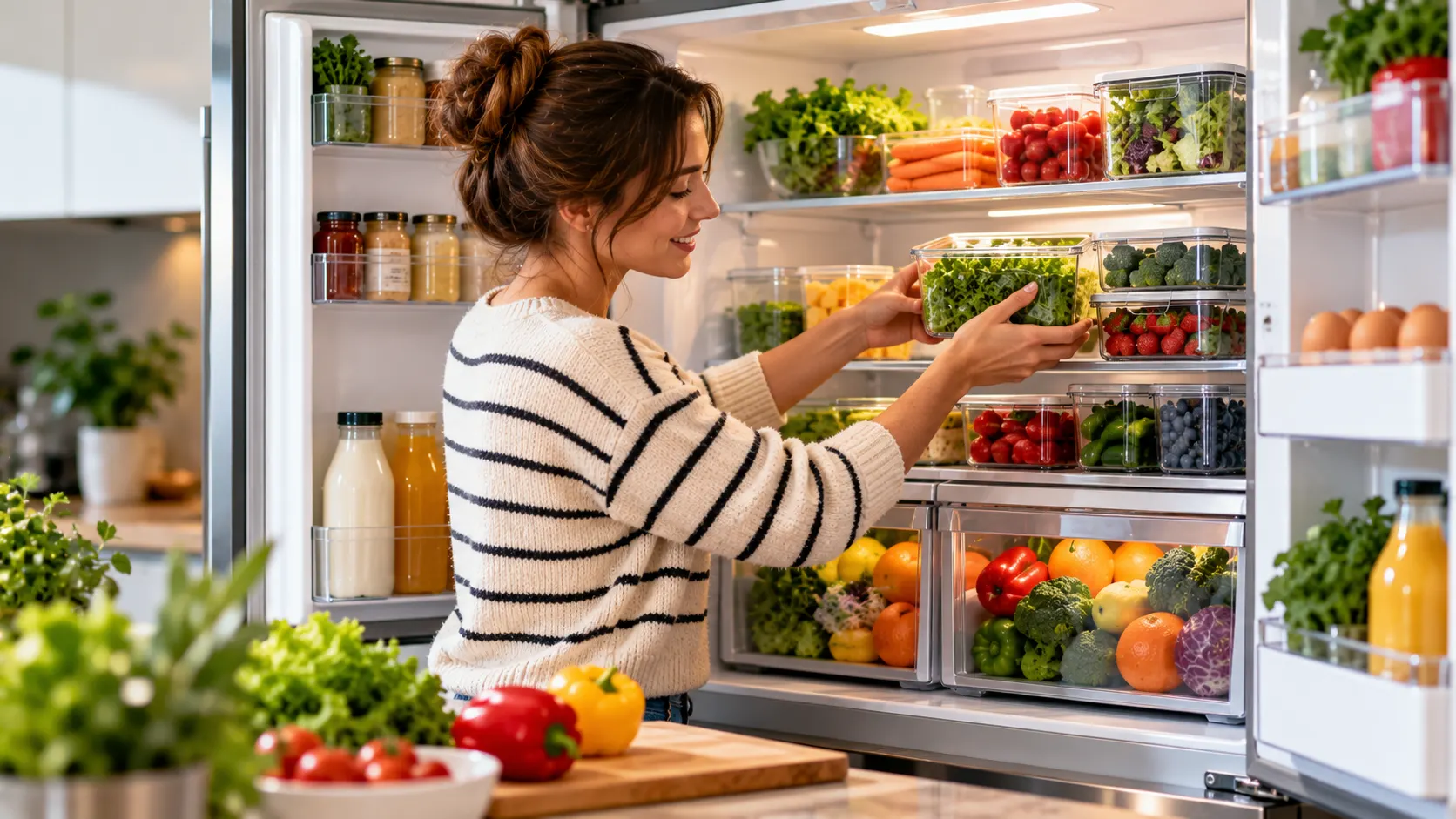
How to Organize Your Refrigerator Properly
Learning how to organize your refrigerator properly can make everyday cooking easier, reduce food waste, and help keep groceries fresh. A well-organized refrigerator allows you to find ingredients quickly while maintaining appropriate storage conditions for different foods. With a few practical changes, you can create a cleaner, more efficient space that supports food safety and household convenience.
Many people place groceries wherever space is available without considering temperature differences or proper storage methods. This can lead to forgotten leftovers, spoiled vegetables, and unnecessary food purchases. Understanding how refrigerator shelves, drawers, and door compartments function helps you arrange food more effectively and make better use of available storage space.
Proper refrigerator organization does not require expensive storage containers or complicated systems. Simple habits such as grouping similar foods, labeling leftovers, and checking expiration dates can make a significant difference. By following practical refrigerator organization tips, you can maintain a more functional kitchen and keep frequently used ingredients accessible.
Why Is Refrigerator Organization Important?
Refrigerator organization plays an important role in maintaining food quality and reducing unnecessary waste. When ingredients are stored in appropriate locations, they are easier to identify and use before they spoil. An organized refrigerator also makes meal preparation more convenient because essential ingredients can be located without searching through crowded shelves.
Food safety is another important reason to organize your refrigerator properly. Raw meats, cooked meals, dairy products, and fresh produce require careful handling to prevent contamination. Separating raw animal products from ready-to-eat foods and maintaining safe refrigeration temperatures helps reduce the risk of foodborne illness.
A well-arranged refrigerator can also support more efficient grocery shopping. When you can clearly see available ingredients, you are less likely to purchase duplicate products. Regular organization encourages better meal planning, makes cleaning easier, and helps households maintain consistent food storage habits throughout the week.
Start by Emptying and Cleaning Your Refrigerator
Before reorganizing your refrigerator, begin by removing food from the shelves and drawers. Place perishable items in a cooler with ice packs while cleaning, especially if the process will take more than a few minutes. This approach allows you to inspect the available storage space without leaving temperature-sensitive foods at room temperature unnecessarily.
Remove detachable shelves and drawers according to the manufacturer’s instructions. Wash suitable components using warm water and mild dish soap, then rinse and dry them thoroughly. Clean interior surfaces carefully, paying attention to spills, sticky residue, and corners where food particles may accumulate over time.
As you return items, examine packaging conditions and check whether foods remain suitable for consumption. Discard spoiled products and follow appropriate food safety guidance when evaluating stored leftovers. Beginning with a clean refrigerator creates a practical foundation for organizing different food categories and maintaining a more hygienic storage environment.
Understand the Different Refrigerator Storage Zones
Different areas of a refrigerator can experience temperature variations depending on the appliance design, airflow, and frequency of door opening. Understanding these differences helps you select suitable locations for various foods. However, actual temperatures should guide storage decisions rather than assuming that every refrigerator has identical warm and cold zones.
Main interior shelves are generally more suitable for temperature-sensitive foods than door compartments because they experience fewer temperature fluctuations. Refrigerator doors are exposed to warmer air whenever they open, making them better suited to certain condiments and beverages. Crisper drawers provide specialized environments that can help maintain the quality of fresh produce.
The refrigerator should maintain a temperature of 40°F (4°C) or below, with approximately 37°F (3°C) providing a useful operating target. Using an appliance thermometer helps verify that the refrigerator is cooling properly. A consistent safe temperature is more important than following decorative storage arrangements that interfere with food protection.
What Should You Store on the Top Refrigerator Shelf?
The top refrigerator shelf can be useful for storing ready-to-eat foods, covered leftovers, and ingredients that do not require additional cooking. Keeping these products above raw meat helps reduce the possibility of contamination from leaking packages. However, the shelf must remain at a safe refrigeration temperature regardless of its position.
Cooked foods should be placed in covered containers and refrigerated promptly after preparation. Shallow containers can help larger portions cool efficiently while making leftovers easier to stack and identify. Labeling containers with preparation dates provides a convenient reminder of when food was stored and when it should be used.
Frequently used breakfast items and prepared snacks may also fit comfortably on upper shelves. Grouping these products together can make daily routines more convenient without requiring extensive rearrangement. Avoid stacking containers so tightly that cold air cannot circulate, particularly around vents designed to maintain consistent cooling.
How to Organize the Middle Refrigerator Shelves
Middle refrigerator shelves provide convenient storage for foods that require reliable cooling and regular access. Yogurt, cheese, eggs, prepared ingredients, and other temperature-sensitive products can be stored here when the area maintains an appropriate temperature. Their exact placement can be adjusted according to refrigerator design and household preferences.
Keeping dairy products in their original packaging or suitable covered containers helps maintain cleanliness and prevent unnecessary exposure. Eggs are generally best stored in their original carton on an interior shelf rather than in the refrigerator door. This location provides more consistent temperatures and makes it easier to check product information.
Organizing similar products together can reduce searching time during cooking and meal preparation. Small containers may help separate yogurt cups, cheese packages, or other frequently used ingredients. Choose organizers that allow adequate airflow and can be cleaned easily instead of overcrowding shelves with unnecessary storage accessories.
What Belongs on the Bottom Refrigerator Shelf?
The bottom refrigerator shelf is usually the safest location for storing raw meat, poultry, and seafood when it is positioned beneath ready-to-eat foods. This arrangement helps prevent juices from dripping onto other ingredients. Raw products should always be securely wrapped and placed in leakproof containers or trays to reduce contamination risks.
Store raw animal products separately from fresh produce, cooked meals, and foods that will be eaten without further cooking. Avoid placing leaking packages directly on refrigerator shelves, even when they appear securely wrapped. A dedicated washable tray provides an additional protective barrier and makes accidental spills easier to manage.
Proper refrigeration slows bacterial growth but does not make raw foods safe indefinitely. Fresh poultry and ground meat generally require cooking or freezing within one to two days, while many fresh whole cuts of meat can be refrigerated for three to five days. Always follow relevant product instructions and safe handling recommendations.
How to Organize Refrigerator Crisper Drawers
Crisper drawers are designed to help maintain suitable storage conditions for fruits and vegetables. Many refrigerators include adjustable humidity controls that allow different produce types to be stored more effectively. Understanding how these settings work can help reduce moisture loss and preserve food quality during refrigerated storage.
High-humidity settings are generally useful for leafy greens, carrots, broccoli, and other vegetables that are sensitive to drying out. Low-humidity settings are often better for many fruits, particularly those that release ethylene gas. Keeping ethylene-producing fruits separate from sensitive vegetables may help prevent premature ripening and deterioration.
Not every fruit or vegetable benefits from refrigeration, and some produce should remain at room temperature until ripe. Tomatoes, bananas, and certain tropical fruits may lose quality when refrigerated too early. Checking the needs of individual produce types helps avoid unnecessary spoilage and improves the effectiveness of refrigerator organization.
How to Organize the Refrigerator Door
The refrigerator door is convenient for storing products that can tolerate slightly greater temperature fluctuations. Condiments such as mustard, ketchup, and certain sauces are often suitable when their labels recommend refrigeration. Always check manufacturer instructions because storage requirements differ depending on the product and its ingredients.
Milk, eggs, and other highly perishable foods are better kept on interior shelves rather than in frequently opened door compartments. These foods benefit from more consistent refrigeration temperatures. Door storage should therefore focus on appropriate condiments, certain packaged beverages, and items that do not require the coldest available location.
Arrange frequently used products at accessible heights to reduce unnecessary searching. Keeping similar bottles and jars together makes it easier to identify products that need replacing. Avoid overloading door compartments with heavy containers, as excessive weight may affect the refrigerator’s organization and the accessibility of other items.
How to Store Leftovers Safely
Leftovers are easier to manage when stored in clean, covered containers that fit comfortably on refrigerator shelves. Shallow containers are especially helpful for cooling larger amounts of prepared food. Refrigerate perishable leftovers within two hours of cooking, or within one hour when the surrounding temperature exceeds 90°F (32°C).
Label each container with the date it was prepared or refrigerated. Most cooked leftovers should be eaten within three to four days when continuously refrigerated at a safe temperature. If you do not expect to use them within that period, freezing suitable portions can help preserve them for later meals.
Create a visible area for leftovers so they are not forgotten behind newer groceries. Transparent containers can make food easier to identify without repeatedly opening lids. This straightforward organization habit supports better meal planning, reduces waste, and helps households make appropriate decisions about stored food.
Use Clear Containers and Refrigerator Organizers
Clear storage containers can make refrigerator organization more convenient by allowing you to identify food without removing every item. They are especially useful for prepared ingredients, snacks, and leftovers. Choosing stackable containers in practical sizes can also improve shelf organization while keeping foods properly covered.
Removable refrigerator bins help group similar products, such as yogurt cups, packaged snacks, or small condiments. They can be useful on deep shelves where smaller items are easily overlooked. However, bins should not obstruct airflow, block cooling vents, or prevent the refrigerator door from closing securely.
Expensive organizers are not essential for maintaining an orderly refrigerator. Reusing suitable food-safe containers and rearranging adjustable shelves may provide enough storage flexibility. Select accessories based on your household’s actual needs rather than purchasing a large collection of containers that could reduce usable space.
How to Prevent Cross-Contamination in Your Refrigerator
Cross-contamination occurs when harmful microorganisms transfer from one food, surface, or utensil to another. Refrigerators can contribute to this problem when raw meat juices leak onto foods that are ready to eat. Separating food categories and using secure packaging are important steps for reducing contamination risks.
Keep raw meat, poultry, and seafood in sealed, leakproof containers on the lowest suitable shelf. Store cooked meals, washed produce, and ready-to-eat foods above raw products whenever possible. Clean any spills promptly using suitable food-safe cleaning methods, especially when raw animal products are involved.
Wash your hands after handling raw animal products and before touching ready-to-eat foods. Refrigerator handles, shelves, and reusable containers should also be cleaned regularly. Consistent food handling practices help maintain a safer storage environment while making household meal preparation more organized.
Use the First In, First Out Method
The first in, first out method, often called FIFO, encourages households to use older food before newer purchases. This approach can help prevent products from being forgotten until they spoil. It works particularly well for packaged groceries, dairy products, and refrigerated ingredients purchased regularly.
When returning from grocery shopping, place newer products behind older items when appropriate. Check product dates and actual storage conditions rather than assuming every older item remains safe. Foods with shorter safe storage periods should receive priority, regardless of when they were purchased.
A small section for ingredients that should be used soon can make refrigerator management easier. This area might contain produce approaching the end of its useful storage period or appropriately stored leftovers. Checking it before planning meals helps reduce food waste and unnecessary grocery expenses.
Avoid Overcrowding Your Refrigerator
Overcrowding is a common refrigerator organization mistake because tightly packed shelves can restrict the circulation of cold air. Proper airflow helps the appliance maintain safe temperatures throughout the interior. When food blocks vents or cooling passages, certain areas may not cool as effectively as intended.
Leave reasonable space between larger containers and avoid stacking products directly against ventilation openings. Adjustable shelves can help accommodate taller bottles or bulky packages without creating unnecessary congestion. Organizing frequently used ingredients together may also reduce the time the refrigerator door remains open.
If your refrigerator is consistently overcrowded, review which foods genuinely require refrigeration. Unopened shelf-stable products and certain types of produce may be stored elsewhere according to their individual requirements. Removing unnecessary items can create additional space while allowing temperature-sensitive foods to receive appropriate cooling.
How to Keep Your Refrigerator Smelling Fresh
Unpleasant refrigerator odors often develop when food spoils, containers leak, or spills remain unnoticed. Regular cleaning and proper food storage are the most effective ways to manage these problems. Keeping strong-smelling foods in suitable sealed containers can also prevent odors from spreading to other ingredients.
Check the refrigerator regularly for spoiled produce, forgotten leftovers, and damaged packaging. Clean removable components when necessary and wipe up spills as soon as practical. Maintaining appropriate refrigeration temperatures also helps slow microbial growth, although cold storage cannot completely prevent food deterioration.
A small container of baking soda may help absorb some odors, but it does not replace cleaning or safe food storage. Persistent unpleasant smells should prompt a thorough inspection for their source. Removing spoiled products and cleaning affected surfaces usually provides a more reliable solution than covering odors with fragrances.
Common Refrigerator Organization Mistakes to Avoid
One frequent mistake is storing all groceries wherever an empty space appears without considering food safety. Placing raw poultry above uncovered leftovers, for example, increases contamination risks. Organizing foods according to storage requirements is more important than creating shelves that look perfectly symmetrical.
Another mistake involves storing highly perishable products in refrigerator door compartments. Frequent opening exposes these areas to greater temperature changes than many interior shelves. Keeping milk, eggs, and other temperature-sensitive foods in reliably cold interior locations can help maintain safer storage conditions.
Ignoring forgotten food and overdue cleaning can also undermine an otherwise organized refrigerator. Even neatly arranged containers become a problem when their contents are no longer safe to eat. Regular checks, realistic grocery purchases, and suitable labeling habits help keep refrigerator organization both practical and effective.
How Often Should You Clean and Reorganize Your Refrigerator?
A brief refrigerator inspection once a week can help prevent clutter and identify foods that need attention. Check leftovers, review perishable ingredients, and look for damaged packaging or spills. This routine can fit naturally into meal planning before your next grocery shopping trip.
More thorough cleaning may be needed periodically, depending on how frequently the refrigerator is used and whether spills occur. Removable shelves and drawers can be washed when necessary, while handles and frequently touched surfaces may need more frequent attention. Always follow the appliance manufacturer’s cleaning recommendations.
Seasonal changes can also provide opportunities to review refrigerator organization. Households may store different foods during summer, holidays, or periods of increased meal preparation. Adjusting shelf heights and storage categories as needs change helps maintain a functional system rather than following one arrangement indefinitely.
Conclusion
Learning how to organize your refrigerator properly can improve food safety, reduce unnecessary waste, and simplify everyday cooking. Arranging food according to storage requirements helps protect perishable ingredients while making commonly used products easier to locate. Keeping raw meats separate from ready-to-eat foods is especially important for preventing contamination.
Practical habits such as labeling leftovers, organizing produce drawers, and maintaining clear shelves can make refrigerator management more effective. Checking temperatures regularly and avoiding overcrowding also support safe storage conditions. An organized refrigerator should prioritize food safety and convenience rather than simply creating an attractive appearance.
Maintaining your refrigerator does not require expensive accessories or complicated systems. Consistent cleaning, thoughtful grocery storage, and regular food inspections can produce lasting improvements. With a practical arrangement that suits your household, you can keep ingredients accessible, manage food more efficiently, and maintain a cleaner kitchen environment.
Frequently Asked Questions (FAQs)
What Is the Proper Way to Organize a Refrigerator?
Keep ready-to-eat foods on upper shelves, dairy and eggs on interior shelves, and raw meat in leakproof containers on the lowest suitable shelf. Use crisper drawers for produce and door compartments for appropriate condiments.
What Foods Should Be Stored on the Top Shelf of a Refrigerator?
The top shelf is useful for covered leftovers, prepared meals, and ready-to-eat foods when it maintains a safe temperature. Keep these products separate from raw meat to reduce cross-contamination risks.
Should Milk Be Stored in the Refrigerator Door?
Milk is generally better stored on an interior shelf because refrigerator doors experience greater temperature fluctuations. Keeping milk consistently refrigerated at 40°F (4°C) or below helps maintain its safety and quality.
How Can I Keep Vegetables Fresh Longer in the Refrigerator?
Use suitable crisper humidity settings, avoid overcrowding, and store vegetables according to their individual needs. Separating ethylene-sensitive produce from fruits that release ethylene may also help reduce premature deterioration.
How Often Should I Organize My Refrigerator?
Inspect your refrigerator weekly to identify leftovers, spoiled produce, and ingredients that should be used soon. Clean spills immediately and perform more thorough cleaning whenever necessary to maintain safe, hygienic storage conditions.