


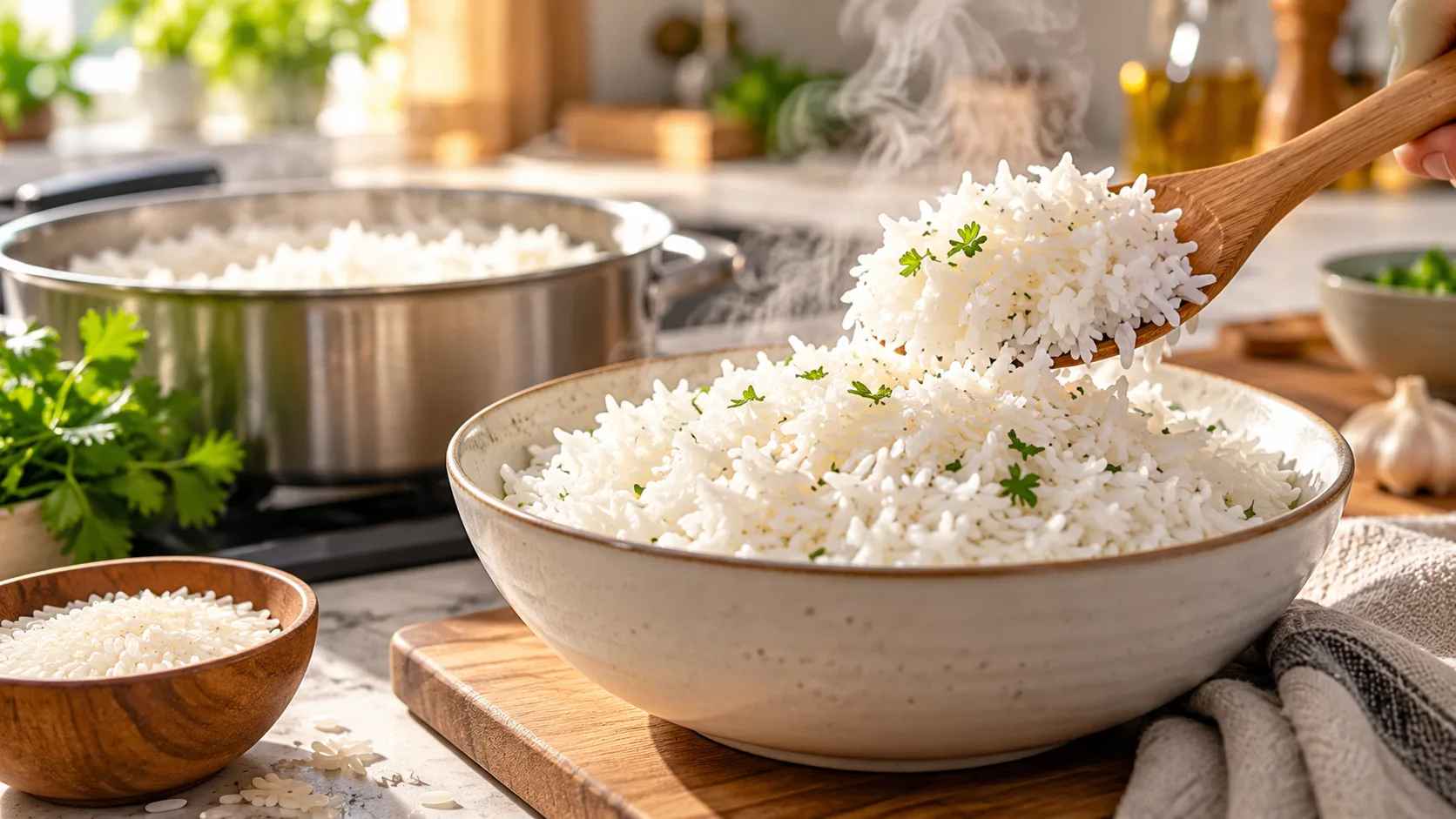
Cooking a bowl of perfectly fluffy rice sounds simple, but achieving light, separate grains can sometimes be challenging. Many home cooks struggle with rice that becomes sticky, mushy, clumpy, or overly soft. Fortunately, a few small changes to your preparation and cooking techniques can make a noticeable difference in the final texture.
Understanding how to keep rice fluffy, not sticky begins with choosing the right rice variety, washing away excess starch, and using an appropriate amount of water. Cooking temperature, saucepan quality, and resting time also play important roles. When these factors work together, rice becomes tender without turning into an unwanted sticky mixture.
Whether you are preparing basmati rice for curry, long-grain white rice for dinner, or jasmine rice for an Asian-inspired meal, the right approach can improve your results. This guide explains practical methods, common mistakes, and helpful cooking tips for making delicious, fluffy rice at home.
Why Does Rice Become Sticky After Cooking?
Rice becomes sticky mainly because of the starch released from its grains during cooking. Rice contains two important starch components called amylose and amylopectin, which influence its texture. Varieties containing more amylopectin naturally become stickier, while those with higher amylose levels generally produce firmer grains that separate more easily.
Another common cause of sticky rice is using too much water during cooking. Excess moisture can cause grains to swell excessively, soften, and break apart. When damaged grains release additional starch into the cooking liquid, the finished rice may develop a gummy consistency rather than the light texture most people want.
Cooking techniques also influence how much rice sticks together. Excessive stirring, prolonged cooking, and unnecessary handling can damage the grains and release additional surface starch. Understanding these factors helps home cooks select better methods and avoid the most common problems associated with mushy or clumpy rice.
Choose the Right Rice Variety for Fluffy Results
Selecting the right rice variety is one of the easiest ways to achieve fluffy, separate grains. Long-grain rice generally contains a starch composition that encourages the grains to remain relatively distinct after cooking. Basmati and regular long-grain white rice are particularly useful choices when preparing dishes that require a light texture.
Basmati rice is popular because its slender grains can become long, fragrant, and separate when cooked properly. It works especially well with curries, grilled vegetables, and traditional rice dishes. Jasmine rice, however, naturally has a softer and slightly clingier texture, meaning it may not separate as completely as basmati.
Short-grain and glutinous rice varieties behave differently because they contain higher proportions of amylopectin. These varieties are suitable for dishes that benefit from a cohesive texture, including certain Japanese meals and sticky rice preparations. If your primary goal is non-sticky rice, choosing a suitable long-grain variety gives you an important advantage.
Wash Rice Thoroughly to Remove Excess Starch
Rinsing rice before cooking is one of the most effective techniques for reducing unwanted stickiness. Loose starch often collects on the surface of rice grains during processing, packaging, and handling. When this starch enters the cooking water, it can create a thick liquid that encourages grains to clump together.
To rinse rice properly, place the measured grains in a large bowl and cover them with cool water. Gently move the rice with your fingers, allowing the water to become cloudy. Drain carefully and repeat the process several times until the water appears noticeably clearer, although complete transparency is not necessary.
Washing is particularly useful for basmati and other long-grain white rice varieties when you want separated grains. However, some enriched rice products contain added nutrients that may be lost during rinsing. Check the packaging instructions before washing, especially when preparing specialty or nutrient-enriched rice products.
Use the Correct Rice-to-Water Ratio
The rice-to-water ratio has a major influence on whether cooked rice becomes fluffy or sticky. Too much water can cause grains to absorb excessive moisture and lose their structure. Too little water, meanwhile, may leave the rice hard in the center or cause the bottom of the saucepan to burn.
For many regular long-grain white rice varieties, one cup of rice to approximately one and three-quarters cups of water provides a useful starting point. Basmati and jasmine rice often require less water, depending on rinsing and soaking. Brown rice generally needs additional water and a longer cooking time because its outer bran layer remains intact.
These measurements are guidelines rather than universal rules because different brands and cooking methods produce different results. A tightly fitting lid reduces moisture loss, while wider or loosely covered cookware may require adjustments. Following package instructions and measuring consistently will help you identify the best ratio for your preferred rice variety.
Soak Basmati Rice Before Cooking
Soaking can improve the texture of certain long-grain rice varieties, particularly basmati. When rice absorbs water before cooking, the grains begin hydrating more evenly. This preparation step can encourage the elongated appearance associated with properly cooked basmati and may help reduce unevenly cooked sections.
For a simple soaking method, rinse the basmati rice and place it in a bowl of clean, cool water. Allow it to soak for approximately twenty to thirty minutes before draining thoroughly. The rice should then be cooked using a water quantity appropriate for soaked grains rather than automatically following measurements intended for dry rice.
Soaking is not essential for every rice variety, and certain types cook perfectly well without it. Jasmine rice and everyday long-grain white rice usually need less preparation. Experimenting with a consistent soaking method can help you understand how different rice varieties respond and which approach produces your preferred texture.
Use a Heavy-Bottomed Saucepan With a Tight Lid
The saucepan you choose can influence how evenly rice cooks and whether it becomes sticky or scorched. Heavy-bottomed cookware distributes heat more consistently, helping prevent hot spots that can burn the bottom layer of rice. This is particularly useful when cooking over low heat for an extended period.
A tightly fitting lid is equally important because it traps steam inside the saucepan. Steam helps distribute moisture throughout the rice and supports even cooking. If the lid allows too much moisture to escape, some grains may remain undercooked while others become overly soft from prolonged heating.
Choose a saucepan that comfortably holds the rice and allows some space for expansion. Using an extremely small pot can lead to overflowing or uneven cooking, while an unnecessarily large pan may encourage excessive evaporation. Appropriate cookware helps maintain steady cooking conditions and produces more predictable results.
Cook Rice Over Low Heat After Boiling
Controlling the cooking temperature is essential when preparing fluffy rice. High heat may bring water to a boil quickly, but maintaining intense heat throughout cooking can cause excessive evaporation and uneven results. A gentle simmer allows the grains to absorb moisture gradually without unnecessary agitation.
Begin by bringing the measured rice and water to a boil over medium-high heat. Once the water starts boiling, reduce the temperature to the lowest setting that maintains gentle cooking. Cover the saucepan tightly and allow the rice to simmer according to the variety and recommended cooking time.
Avoid using excessive heat to speed up the cooking process because it can damage the texture. If the water disappears before the grains become tender, the rice may stick to the bottom or remain undercooked. Gentle heating creates a more controlled environment and helps preserve the structure of individual grains.
Avoid Stirring Rice While It Cooks
Stirring rice repeatedly is a common habit that can contribute to a sticky texture. As the grains soften, vigorous movement may cause them to break and release additional starch. This creates a thicker cooking liquid and increases the possibility of rice clumping together.
When using the covered absorption method, stir the rice only briefly before reducing the heat and placing the lid on the saucepan. Afterward, allow it to cook undisturbed. Repeatedly moving the grains is unnecessary because the water and trapped steam should distribute heat and moisture throughout the pot.
Some rice dishes require frequent stirring because their desired texture is creamy rather than fluffy. Risotto, for example, uses a different cooking method to encourage starch release. However, when preparing separate long-grain rice, minimal stirring is generally the better approach for maintaining individual grain structure.
Keep the Lid Closed During Cooking
Lifting the lid repeatedly can interfere with the balance of heat and moisture needed for fluffy rice. Each time the saucepan is opened, steam escapes and the cooking temperature drops. This may lead to uneven hydration or require additional cooking time to compensate for lost moisture.
Once the rice reaches a gentle simmer, cover the saucepan and leave it undisturbed for the recommended duration. For many white rice varieties, this means approximately twelve to eighteen minutes, depending on the grain and preparation method. A transparent lid can make monitoring easier without releasing steam unnecessarily.
If you suspect the rice is drying out or burning, briefly checking the saucepan may be necessary. However, unnecessary opening should be avoided when the cooking method is working correctly. Keeping the lid closed helps retain consistent conditions and supports a more reliable cooking result.
Let Rice Rest Before Fluffing
Resting rice after cooking is an important technique that many home cooks overlook. When the saucepan is removed from the heat, the grains may still contain unevenly distributed moisture. Leaving the rice covered allows residual steam to finish the cooking process and helps the texture become more consistent.
After the water has been absorbed and the rice is tender, turn off the heat and keep the lid closed for approximately ten minutes. Avoid stirring or immediately transferring the rice to another container. This short resting period allows the grains to settle and reduces the likelihood of breaking them while they are extremely soft.
Once the resting time is complete, gently separate the rice using a fork. The grains should appear lighter and less compressed than they would if served immediately. Although resting cannot completely repair overcooked rice, it can improve the texture of properly prepared rice significantly.
Fluff Rice Gently With a Fork
Fluffing helps separate cooked grains and release some trapped steam without damaging their structure. A fork is particularly useful because its narrow tines can move through the rice more gently than a large spoon. This simple technique helps create the light, airy appearance associated with fluffy rice.
Begin at the edge of the saucepan and gently lift the rice upward rather than pressing it downward. Continue moving through different sections until the grains are loosely separated. Avoid vigorous mixing or mashing because freshly cooked grains may still be delicate and can break when handled roughly.
A rice paddle can also work well when used carefully, especially with larger quantities of rice. The goal is to separate the grains rather than stir them into a compact mixture. Proper fluffing works best when the rice has already been cooked using suitable water quantities and allowed to rest.
How to Keep Basmati Rice Fluffy and Separate
Basmati rice is one of the best varieties for preparing light, separate grains because of its long shape and natural starch characteristics. However, incorrect cooking techniques can still make basmati sticky or overly soft. Rinsing thoroughly, soaking when appropriate, and measuring water carefully are useful starting points.
For one cup of soaked basmati rice, approximately one and one-quarter to one and one-half cups of water may work with the covered absorption method. Bring the mixture to a boil, reduce the heat, and simmer gently until the water is absorbed. Cooking often takes around ten to fifteen minutes, depending on the rice.
After cooking, leave the basmati rice covered for approximately ten minutes before fluffing. This final stage allows the grains to finish steaming and makes them easier to separate. Avoid squeezing, pressing, or stirring aggressively, as these actions can break the elongated grains and reduce their delicate texture.
How to Keep Jasmine Rice From Becoming Too Sticky
Jasmine rice naturally has a softer and slightly clingier texture than basmati rice. This characteristic comes from its starch composition and makes it suitable for many Southeast Asian dishes. Although jasmine rice will not usually become as separate as basmati, proper preparation can prevent excessive stickiness and unwanted mushiness.
Rinse the rice gently and use an appropriate amount of water for the selected cooking method. For many jasmine rice varieties, approximately one and one-quarter cups of water per cup of rice works as a starting point. Bring the water to a boil, cover the saucepan, and simmer gently until the grains become tender.
Allow the cooked rice to rest before fluffing it lightly with a fork or rice paddle. Avoid excessive stirring, which can cause the grains to break and become gummy. The goal is to achieve jasmine rice that is tender and lightly cohesive without becoming wet, heavy, or excessively sticky.
How to Keep Rice Fluffy in a Rice Cooker
Rice cookers provide a convenient way to prepare rice because they automatically regulate the cooking process. However, even an automatic appliance can produce sticky rice when too much water is added or the wrong setting is selected. Measuring accurately and following the manufacturer’s recommendations remain important.
Begin by rinsing the rice if appropriate, then place it in the cooking bowl. Add water according to the cooker’s markings or the instructions for the selected rice variety. Choose the proper cooking setting and allow the appliance to complete its cycle without repeatedly opening the lid.
After cooking, let the rice rest briefly before fluffing it gently. Some rice cookers automatically switch to a warming function, which can be helpful for short periods when used according to the manufacturer’s safety instructions. Removing unnecessary moisture and avoiding prolonged holding can help preserve the texture of the finished rice.
How to Fix Rice That Has Become Sticky
If cooked rice becomes slightly sticky, there are a few ways to improve its texture. First, check whether excess moisture remains in the saucepan. If the grains are already tender, removing the lid and allowing a little steam to escape may help reduce wetness without additional stirring.
Another approach is to spread the rice gently across a wide plate or shallow tray. Increasing the exposed surface area allows steam to escape more quickly and may reduce moisture between the grains. Handle the rice carefully because vigorous movement can break softened grains and make the texture worse.
Rice that has become severely overcooked or mushy cannot usually be returned to a perfectly fluffy state. Instead, consider using it in dishes where a softer texture is acceptable, such as rice porridge or certain soups. Adjusting the water ratio and cooking time is the most effective way to prevent similar problems.
How to Store Fluffy Rice Without Making It Clumpy
Proper storage helps preserve the quality of cooked rice while reducing food safety risks. Rice that remains warm for extended periods can become unsafe if bacteria multiply under unsuitable conditions. Cool leftover rice promptly and transfer it into shallow containers before refrigerating, ideally within one hour when practical.
Store cooked rice in covered containers in a refrigerator maintained at approximately 4°C or below. Refrigerated leftovers should generally be used within three to four days, while freezing can provide longer storage. Dividing rice into individual portions makes it easier to reheat only the amount needed for a meal.
When reheating, add a small splash of water if the rice has become dry, then heat until steaming hot throughout. Gently separate any clumps with a fork after reheating. Avoid repeatedly cooling and reheating the same portion, and never leave cooked rice sitting at room temperature for extended periods.
Common Mistakes That Make Rice Sticky
One of the biggest mistakes when cooking rice is using a water ratio that does not suit the grain variety. Excess moisture encourages overcooking and can cause the grains to lose their individual structure. Following package guidance and making small adjustments based on previous results helps create more consistent outcomes.
Another mistake is cooking rice at excessively high temperatures or stirring it repeatedly. Strong boiling can agitate the grains, while frequent stirring releases additional starch. Using gentle heat, a suitable saucepan, and a tightly fitting lid can reduce these problems and help protect the texture.
Skipping the rinsing or resting stages can also affect the final result, particularly with long-grain white rice. Surface starch may contribute to clumping, while immediate fluffing can damage grains that are still settling. Paying attention to these small details makes preparing fluffy rice easier and more predictable.
Additional Tips for Perfectly Fluffy Rice Every Time
Consistency is one of the most useful habits for improving rice preparation. Measure rice and water using the same cup, follow a reliable cooking method, and observe the finished texture. Recording small adjustments can be helpful when using different brands or varieties because cooking requirements are not always identical.
Adding a small amount of butter or oil is an optional way to enhance the flavor and mouthfeel of cooked rice. Some cooks find that it also helps the grains separate slightly, although proper hydration and heat control are far more important. For flavorful rice, aromatic ingredients such as cardamom or bay leaves can be added during cooking.
Finally, avoid expecting every rice variety to have the same texture. Basmati naturally produces lighter, more separate grains, while jasmine and short-grain varieties tend to cling together. Understanding these differences allows you to judge the finished rice appropriately and choose the right variety for each meal.
Conclusion
Learning how to keep rice fluffy, not sticky involves understanding a few simple but important cooking principles. Choosing the right rice variety, removing excess surface starch, and using an appropriate water ratio can significantly improve the finished texture. Controlling heat and avoiding unnecessary stirring also help maintain the structure of individual grains.
Resting and fluffing are equally important stages that should not be overlooked. Allowing cooked rice to sit covered for several minutes helps distribute remaining moisture, while gentle fluffing separates the grains without damaging them. Small adjustments to these techniques can improve everyday rice dishes and make cooking results more consistent.
Perfectly fluffy rice does not require complicated equipment or advanced culinary experience. With accurate measurements, suitable cookware, and a reliable cooking method, home cooks can prepare tender, delicious rice with less unwanted stickiness. Practicing these techniques will help make fluffy rice a dependable part of your regular meals.
Frequently Asked Questions (FAQs)
1. How do you make rice fluffy instead of sticky?
Choose a suitable long-grain variety, rinse away excess surface starch, and use the correct water ratio. Cook over low heat, avoid stirring, and allow the rice to rest before gently fluffing.
2. Why is my rice sticky even after washing it?
Rice may remain sticky because of excessive water, overcooking, or the natural starch composition of the variety. Washing reduces loose surface starch but cannot completely change how different rice types behave during cooking.
3. Does adding oil keep rice from sticking together?
A small amount of oil may help reduce some surface clumping and improve flavor. However, accurate water measurements, gentle cooking, and proper resting are more important for achieving light, separate grains.
4. What is the best rice for fluffy, non-sticky results?
Basmati and regular long-grain white rice are excellent choices for fluffy, separate grains. Their starch characteristics make them less naturally sticky than jasmine, short-grain, or glutinous rice varieties.
5. Should you let rice cool before fluffing it?
Allow rice to rest covered for approximately ten minutes after cooking, then fluff gently while still warm. This helps distribute moisture and separate grains without requiring the rice to cool completely.