


You might hear someone mention sore calves after walking, see the word in a fitness guide, or come across it while reading about farm animals. The same word appears in completely different situations. Without understanding the context, its meaning can be surprisingly confusing.
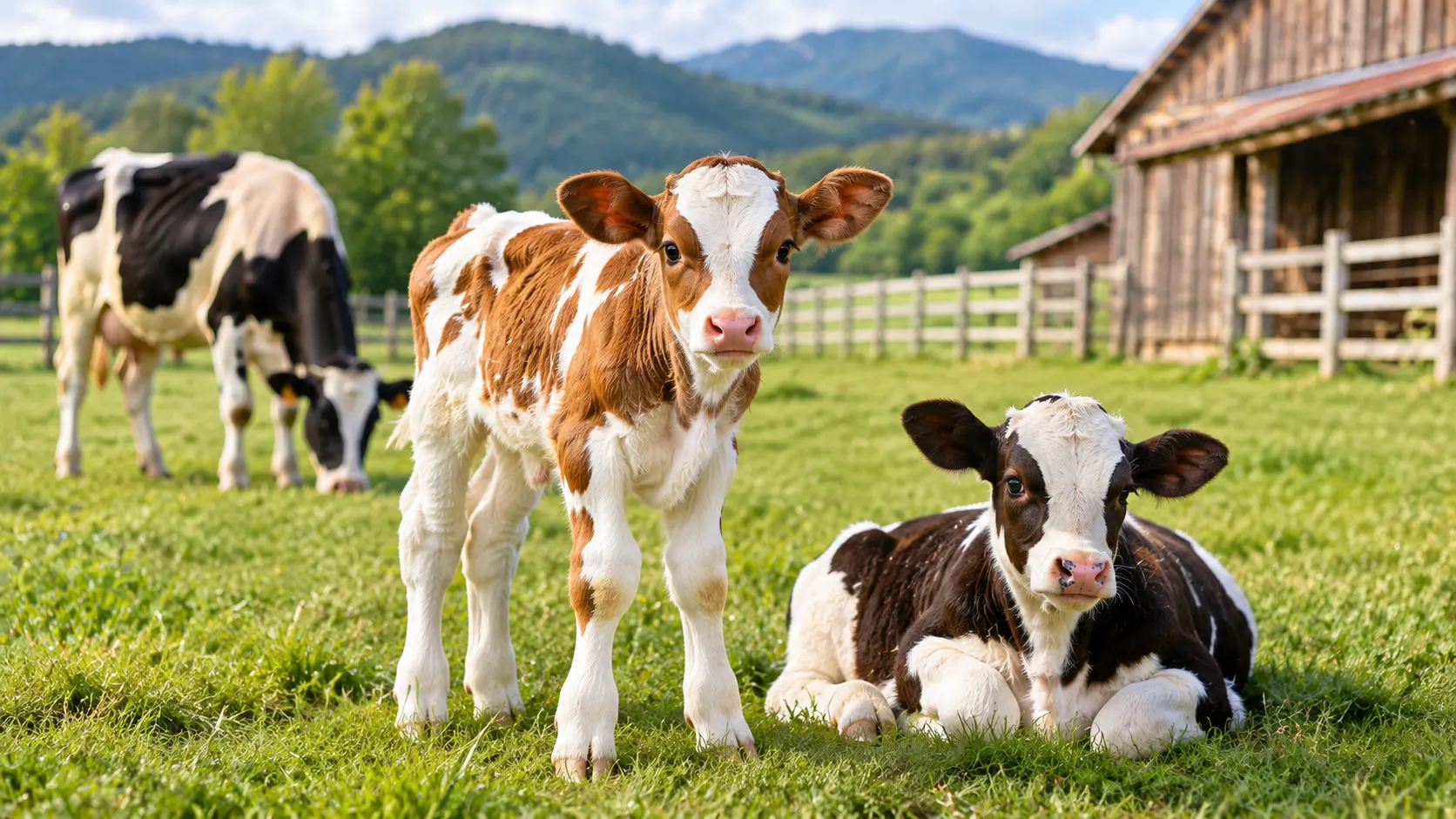
The calves meaning depends on how the word is used. In human anatomy, calves refer to the muscular areas behind the lower legs. In the animal kingdom, calves are the young offspring of cattle and certain other mammals.
When discussing health and movement, calves play an important role in walking, standing, maintaining balance, and supporting circulation. This guide explains their definition, anatomy, functions, common conditions, and essential facts in simple language.
What Is the Meaning of Calves?
Calves is the plural form of the noun calf. It has two common meanings in the English language, depending on the subject being discussed. Understanding the surrounding words usually makes the intended meaning clear.
In human anatomy, calves are the areas at the back of the lower legs between the knees and ankles. They contain muscles that help control foot and ankle movements. These muscles support many ordinary physical activities.
In animal terminology, calves refer to young cattle, elephants, whales, and certain other large mammals. For example, a farmer may raise several calves, while a person may experience tired calves after walking. Both uses are grammatically correct.
Calves Meaning in Different Contexts
Understanding a word becomes easier when you see how people use it in everyday situations. The word calves frequently appears in medical, fitness, agricultural, and educational discussions. Its definition changes according to the topic.
The following table explains its common meanings.
| Context | Meaning of Calves | Example |
|---|---|---|
| Human anatomy | Muscular areas behind the lower legs | The calves support walking. |
| Fitness | Muscles involved in lower-leg movement | Calves work during physical activity. |
| Healthcare | Areas examined for lower-leg symptoms | The doctor examined both calves. |
| Agriculture | Young cattle | The farmer cares for several calves. |
| Marine biology | Young whales and certain marine mammals | Whale calves stay near their mothers. |
| Wildlife | Young elephants and certain other mammals | Elephant calves live within family groups. |
Pay attention to whether the discussion concerns animals, movement, or human health. This simple approach helps prevent confusion. The remainder of this guide focuses primarily on calves in human anatomy.
Where Are the Calves Located on the Human Body?
People sometimes confuse their calves with their shins or the muscles behind their thighs. However, each of these areas occupies a different part of the leg. Knowing their locations helps you understand anatomical descriptions more accurately.
The calves are located behind the lower legs, below the knees and above the ankles. The shin occupies the front of the lower leg. The hamstrings are located farther up, behind the thighs.
The calf region contains muscles, tendons, nerves, and blood vessels that work together. Its muscles connect with the heel through the Achilles tendon. This connection supports foot movement and everyday mobility.
Calf Muscle Anatomy Explained
Medical descriptions of calf anatomy can sound complicated because they contain unfamiliar muscle names. However, understanding the main structures does not require advanced medical knowledge. Each muscle contributes to particular movements and physical functions.
The calf contains two major muscles called the gastrocnemius and soleus. A smaller muscle known as the plantaris may also contribute to movement. Together, these structures form part of the muscular system behind the lower leg.
Gastrocnemius Muscle
The gastrocnemius is the large muscle located near the surface of the calf. It has two upper sections, commonly called the medial and lateral heads. These sections work together during various movements.
This muscle crosses both the knee and ankle joints. It helps point the foot downward and contributes to bending the knee. It is particularly active during movements involving pushing away from the ground.
Soleus Muscle
The soleus is a broad muscle located underneath the gastrocnemius. Although it sits deeper within the lower leg, it performs important everyday functions. It helps control movement at the ankle joint.
The soleus supports standing, walking, and maintaining an upright position. Unlike the gastrocnemius, it does not cross the knee joint. It plays an important role in maintaining balance during ordinary activities.
Plantaris Muscle
The plantaris is a smaller muscle located within the calf region. It has a relatively small muscle portion and a long tendon. Some people naturally do not have this muscle.
Its contribution to ankle and knee movement is limited compared with the gastrocnemius and soleus. People can maintain normal movement without it. This demonstrates how different anatomical structures contribute to the same overall function.
Gastrocnemius vs Soleus: What Is the Difference?
The gastrocnemius and soleus work together, but they have different locations and responsibilities. Confusing these muscles can make it harder to understand calf anatomy. Comparing their characteristics helps explain their individual roles.
| Feature | Gastrocnemius | Soleus |
|---|---|---|
| Location | Near the surface of the calf | Beneath the gastrocnemius |
| Structure | Muscle with two upper heads | Broad, relatively flat muscle |
| Joints involved | Knee and ankle | Ankle |
| Main function | Ankle movement and knee flexion | Ankle movement |
| Everyday role | Walking and pushing off the ground | Standing, walking, and stability |
| Shared connection | Achilles tendon | Achilles tendon |
Although their responsibilities differ, these muscles regularly work together. Neither operates independently during most everyday activities. Their coordinated movement supports comfortable and efficient mobility.
What Are the Main Functions of the Calves?
People rarely think about their calf muscles while completing everyday activities. However, these muscles remain active during many movements that seem effortless. Understanding their functions highlights their importance to overall physical health.
Supporting Walking
Walking involves coordinated movement between the hips, knees, ankles, and feet. The calf muscles help control the ankle as the body moves forward. They also contribute to lifting the heel during each step.
Without effective calf muscle function, walking may become more difficult. Other muscles may need to compensate for limited ankle movement. Healthy calf function supports smoother everyday mobility.
Maintaining Balance and Stability
Standing upright requires continuous coordination between muscles and joints. The calves help control small movements around the ankles. These adjustments support balance when standing or moving.
For example, standing on a slightly uneven surface requires the lower-leg muscles to respond to changes in position. The soleus plays an important role in these adjustments. Other muscles and sensory systems also contribute to overall balance.
Supporting Foot and Ankle Movement
The calf muscles help perform a movement known as plantar flexion. This happens when the foot points downward or the heel rises from the ground. It occurs naturally during many everyday activities.
The Achilles tendon transfers force from the calf muscles to the heel bone. This connection allows muscle activity to produce movement at the ankle. The calf muscles therefore play an important role in normal foot function.
Assisting Blood Circulation
The calves contribute to blood movement through the lower limbs. When the muscles contract, they compress nearby veins and help move blood toward the heart. Valves within the veins help maintain the appropriate direction of blood flow.
This process is known as the calf muscle pump. Regular, comfortable movement supports its normal function. Spending extended periods without moving can reduce this pumping activity.
Supporting Physical Activities
Activities such as dancing, climbing stairs, and playing sports involve the calf muscles. These muscles contribute to controlled movement and coordination. Their involvement varies depending on the activity.
Adequate rest and gradual changes in activity help muscles adapt to different physical demands. Sudden increases in activity may cause discomfort or injury. Listening to your body’s signals is important for maintaining healthy movement.
10 Interesting Facts About Calves
The calves perform more functions than many people realize. Their structure and connections make them important for mobility and circulation. These ten facts provide a clearer understanding of the calf region.
- Calves is the plural form of calf.
- Humans have a calf region behind each lower leg.
- The gastrocnemius and soleus are the two main calf muscles.
- Both muscles connect to the heel through the Achilles tendon.
- The gastrocnemius contributes to bending the knee.
- The soleus helps maintain an upright standing position.
- Calf muscle contractions assist blood flow toward the heart.
- Some people naturally lack a plantaris muscle.
- Calf muscles work during ordinary activities such as walking.
- Not every type of calf pain originates within the muscles.
These facts demonstrate why calf health involves more than physical strength. Comfortable movement, circulation, coordination, and recovery are also important. Understanding these functions makes it easier to recognize potential concerns.
Common Calf Muscle Problems and Conditions
Experiencing discomfort behind the lower leg can be frustrating, particularly when the cause is unclear. Calf pain may originate from muscles, tendons, nerves, or blood vessels. Understanding common possibilities can help you recognize when professional assessment is necessary.
Calf Muscle Strain
A calf strain occurs when muscle fibers become overstretched or injured. It may develop during sudden movements or unfamiliar physical activities. Symptoms can include discomfort, tenderness, swelling, and difficulty walking.
Avoid continuing activities that cause significant pain. Give the affected area an opportunity to recover and seek medical advice if symptoms are severe or persistent. Recovery requirements depend on the nature of the injury.
Calf Muscle Cramps
A muscle cramp occurs when a muscle contracts involuntarily. Calf cramps can develop during physical activity, periods of rest, or sleep. They often cause sudden discomfort that gradually subsides.
Possible contributing factors include muscle fatigue, dehydration, certain medications, and underlying health conditions. Sometimes, the exact cause remains unknown. Gentle stretching may help an ordinary cramp, but recurring episodes deserve medical attention.
Delayed Onset Muscle Soreness
Muscle soreness sometimes develops after unfamiliar physical activity. Known as delayed onset muscle soreness, it may become noticeable several hours after movement. It commonly peaks within one to three days.
Mild soreness generally improves as the muscles recover. Rest, adequate sleep, and comfortable everyday movement may support recovery. Severe pain, significant swelling, or worsening symptoms should not be dismissed as ordinary soreness.
Achilles Tendon Problems
The Achilles tendon connects the main calf muscles to the heel bone. Irritation or injury involving this tendon can cause discomfort near the heel or lower calf. Symptoms may become more noticeable during walking.
A sudden popping sensation accompanied by pain or difficulty walking can indicate a more serious injury. Avoid putting additional strain on the affected area. Seek prompt medical evaluation when significant tendon injuries are suspected.
Deep Vein Thrombosis
Deep vein thrombosis, commonly called DVT, occurs when a blood clot forms in a deep vein. It can cause symptoms in the calf that resemble other lower-leg conditions. However, it requires urgent medical assessment.
Warning signs may include unexplained pain, swelling, warmth, or skin discoloration, particularly in one leg. Seek urgent medical care if these symptoms develop. Chest pain, sudden breathing difficulties, or coughing up blood require emergency medical attention.
Why Do Calves Feel Tight or Sore?
Calf tightness can develop for several reasons, making it difficult to identify the cause without considering other symptoms. Spending long periods in one position or participating in unfamiliar activities may contribute to discomfort. Individual health conditions can also influence muscle function.
Common possible causes include:
- Muscle fatigue after physical activity.
- Sudden changes in everyday movement.
- Spending extended periods sitting or standing.
- Uncomfortable or unsuitable footwear.
- Muscle strains or tendon irritation.
- Dehydration.
- Certain nerve or circulation problems.
Pay attention to when the discomfort begins and whether other symptoms develop. Avoid assuming every uncomfortable sensation is caused by tired muscles. Persistent, unexplained, or worsening symptoms require professional assessment.
How to Maintain Healthy Calf Muscles
Taking care of your calves does not require complicated equipment or demanding physical routines. Everyday habits can support comfortable movement and normal muscle function. The goal is to maintain mobility while allowing adequate recovery.
Move Regularly
Remaining in the same position for extended periods may contribute to stiffness. Taking occasional movement breaks allows the lower-leg muscles and joints to remain active. Comfortable walking can support everyday mobility.
Choose activities that match your abilities and health needs. Avoid forcing movement through significant discomfort. People recovering from injuries should follow guidance from their healthcare professionals.
Wear Comfortable Footwear
Uncomfortable shoes can make standing and walking less enjoyable. Footwear should provide appropriate support and allow comfortable movement. Different activities may require different types of shoes.
Check whether your footwear remains comfortable throughout the day. Replace excessively worn shoes when necessary. Seek professional advice if recurring lower-leg discomfort appears related to footwear.
Stay Hydrated and Eat Balanced Meals
Muscles require adequate fluids and nutrients to function normally. Dehydration may contribute to fatigue and certain muscle cramps. Eating varied, balanced meals also supports general muscle health.
Drink water regularly and pay attention to changing fluid needs during warmer weather. Avoid taking supplements simply because you experience occasional cramps. A healthcare professional can determine whether additional nutritional support is necessary.
Allow Enough Rest and Recovery
Muscles need time to recover after unfamiliar or demanding activities. Continuing through persistent discomfort may aggravate an existing problem. Adequate sleep and appropriate rest support normal recovery.
Adjust your activities when your muscles feel unusually tired or uncomfortable. Gradual changes are generally more manageable than sudden increases in physical demands. Seek advice if discomfort repeatedly interferes with your everyday activities.
Calves vs Shins vs Hamstrings
People frequently confuse different parts of the leg when describing discomfort. Understanding these anatomical areas helps you communicate symptoms more clearly. Each region contains structures responsible for different functions.
| Body Part | Location | Main Role |
|---|---|---|
| Calves | Back of the lower legs | Ankle movement and stability |
| Shins | Front of the lower legs | Structural support and nearby muscle movement |
| Hamstrings | Back of the thighs | Knee bending and hip extension |
| Quadriceps | Front of the thighs | Knee extension |
| Achilles tendon | Between the calf muscles and heel | Transfers muscle force to the heel |
Knowing these differences can help you describe where symptoms occur. However, the location of discomfort alone does not establish its cause. A healthcare professional can assess the underlying structures when necessary.
When Should You See a Doctor for Calf Pain?
Occasional muscle discomfort may improve with appropriate recovery, but some symptoms require medical attention. Ignoring persistent or unexplained pain can delay appropriate treatment. Recognizing warning signs helps you make informed decisions about your health.
Seek medical advice if you experience:
- Persistent or worsening calf pain.
- Frequent unexplained muscle cramps.
- Difficulty walking or bearing weight.
- Unusual muscle weakness or numbness.
- Significant swelling following an injury.
- Sudden pain accompanied by a popping sensation.
Unexplained swelling, warmth, or pain affecting one calf requires urgent assessment because of the possibility of a blood clot. If these symptoms occur alongside chest pain or breathing difficulties, seek emergency medical care immediately.
Conclusion
Understanding the meaning of calves helps clarify an important term used in anatomy, healthcare, fitness, and animal science. In the human body, calves are the muscular areas behind the lower legs. Their main muscles include the gastrocnemius and soleus.
These muscles support walking, ankle movement, balance, and blood circulation. Regular comfortable movement, appropriate footwear, adequate hydration, and sufficient recovery all contribute to healthy muscle function. Recognizing unusual symptoms is equally important.
Start by paying attention to how your calves support your everyday movements. Maintain comfortable activity habits and seek professional guidance if discomfort becomes persistent or unusual. Understanding your body’s basic anatomy can help you make more informed health decisions.
Frequently Asked Questions
What is the meaning of calves?
Calves is the plural form of calf. It refers either to the muscular areas behind the human lower legs or to young cattle and certain other mammals.
Where are the calves located on the body?
The calves are located behind the lower legs, between the knees and ankles. They contain muscles, blood vessels, nerves, and other structures that contribute to movement and circulation.
What are the two main calf muscles?
The gastrocnemius and soleus are the two main calf muscles. They work together to support ankle movement, walking, standing, and other everyday physical activities.
Why are calves called the second heart?
The calves are sometimes informally called the second heart because muscle contractions help move venous blood toward the heart. However, they do not replace the heart’s pumping function.
What causes pain in the calves?
Calf pain may result from muscle fatigue, cramps, strains, tendon problems, or circulation conditions. Persistent pain or unexplained swelling should be assessed by a qualified healthcare professional.