

Imagine walking up the stairs, going for a morning run, or simply getting out of bed when you notice discomfort at the back of your lower leg. You wonder whether it is ordinary muscle soreness, a cramp, or something more serious. Suddenly, everyday movements become uncomfortable.
Calf discomfort can be frustrating, especially when you do not understand which muscle is affected. Ignoring persistent symptoms or stretching an injured muscle too aggressively may make the situation worse.
Understanding the gastrocnemius muscle, its location, function, and common problems can help you make informed decisions about your muscle health. This guide explains everything in simple terms, including when calf discomfort requires medical attention.
What Is the Gastrocnemius Muscle?
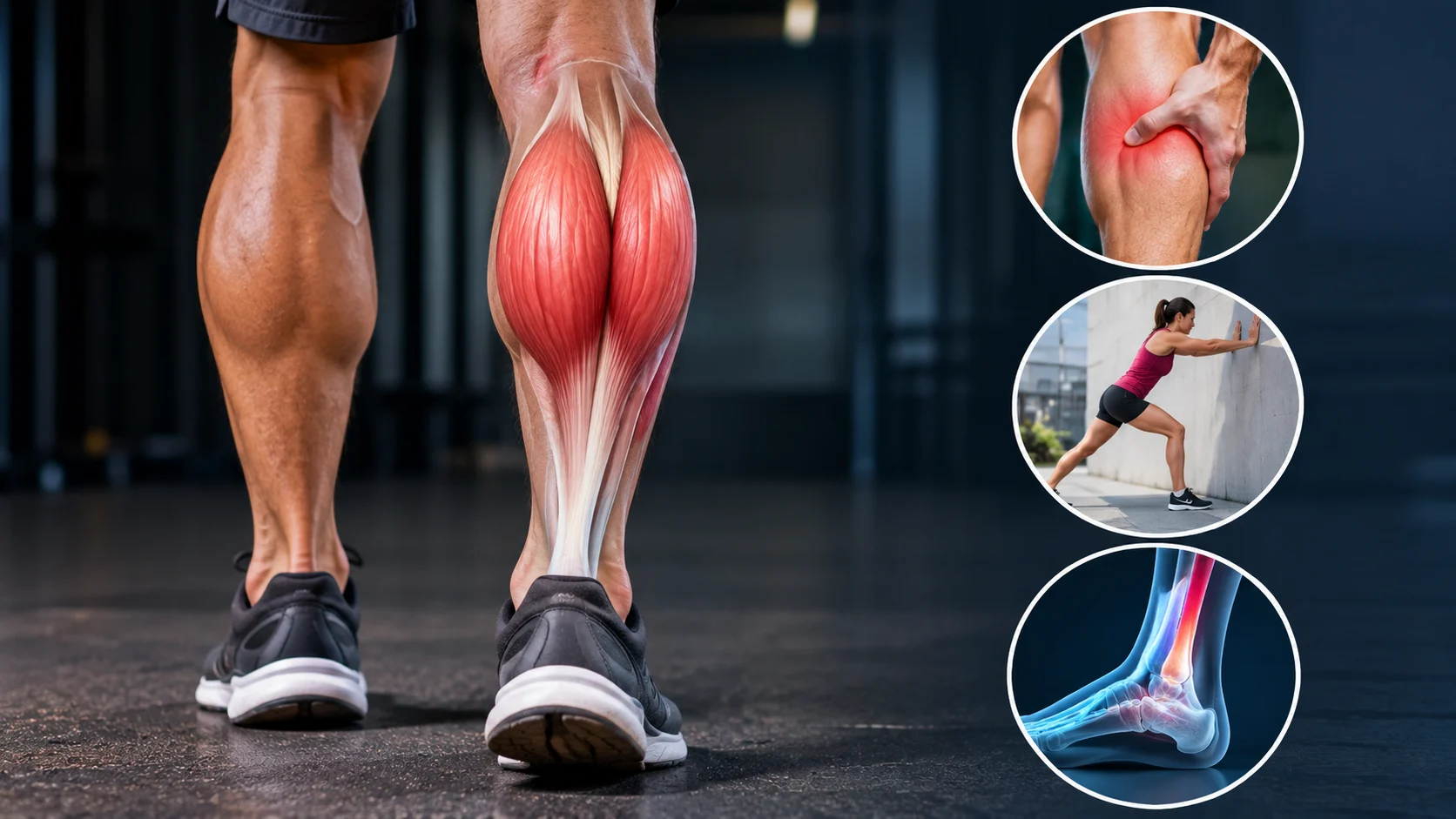
The gastrocnemius is a large skeletal muscle located at the back of the lower leg. It forms much of the visible upper portion of your calf and plays an important role in everyday movement.
Together with the soleus muscle, the gastrocnemius helps control ankle movement and supports various physical activities. These muscles connect to the heel bone through the Achilles tendon.
You use the gastrocnemius when walking, climbing stairs, running, and standing on your toes. Although you may rarely think about this muscle, its ability to contract and relax contributes significantly to lower-body movement.
Where Is the Gastrocnemius Muscle Located?
Identifying the source of calf discomfort can be challenging because several muscles, tendons, nerves, and blood vessels occupy the lower leg. Understanding basic calf anatomy makes these structures easier to distinguish.
The gastrocnemius muscle is located behind the shinbone, extending from just above the knee toward the heel. It lies near the surface of the calf, with the soleus muscle positioned underneath it.
Unlike the soleus, the gastrocnemius crosses both the knee and ankle joints. This unique position allows it to contribute to movements involving both joints rather than controlling the ankle alone.
Understanding Gastrocnemius Muscle Anatomy
Muscle anatomy may sound complicated when medical explanations contain unfamiliar terminology. However, the structure of the gastrocnemius becomes easier to understand when you divide it into its main components.
The gastrocnemius contains two muscular sections known as heads. These sections begin at different locations on the lower part of the femur before joining together farther down the leg.
Both heads contribute to ankle movement and connect with the soleus through the Achilles tendon. Understanding their positions helps explain why calf injuries may cause discomfort in different parts of the lower leg.
Medial Head of the Gastrocnemius
The medial head is positioned toward the inner side of the calf. It originates near the medial condyle of the femur, which is located above the knee joint.
This section contributes to powerful ankle movements and assists with knee flexion. It is also a frequently affected area in gastrocnemius muscle strains.
Pain along the inner calf may involve this muscle head. However, discomfort in this location alone cannot confirm a specific injury or rule out other medical conditions.
Lateral Head of the Gastrocnemius
The lateral head is located toward the outer side of the calf. It originates near the lateral condyle of the femur and works alongside the medial head during movement.
Both sections cooperate when the gastrocnemius contracts to support ankle motion. Their combined action contributes to walking, balance, and various physical activities.
Discomfort on the outer side of the calf can have several possible causes. A healthcare professional can help determine whether the gastrocnemius or another nearby structure is affected.
What Is the Function of the Gastrocnemius Muscle?
Walking and standing may seem like simple activities, but they require coordination between numerous muscles and joints. The gastrocnemius plays an important role in generating movement and supporting the lower leg.
Its primary function is plantar flexion, which occurs when the foot points downward at the ankle. This movement helps you lift your heel and push away from the ground while walking.
The gastrocnemius also assists with bending the knee because it crosses the knee joint. Its main functions include:
- Supporting walking and running movements.
- Helping lift the heel from the ground.
- Assisting with knee flexion.
- Contributing to balance and stability.
- Generating force during jumping.
- Supporting movement when climbing stairs.
These functions explain why gastrocnemius injuries can interfere with several ordinary activities.
Gastrocnemius Muscle Origin and Insertion
Anatomical terms such as origin and insertion can make muscle descriptions unnecessarily confusing. These terms simply describe the locations where muscles attach to bones or related structures.
The gastrocnemius originates from two areas near the lower end of the femur, above the knee. Its medial and lateral heads extend downward before contributing to the formation of the Achilles tendon.
The muscle ultimately attaches to the calcaneus, commonly known as the heel bone, through this tendon. This arrangement allows muscular contractions to produce movement at the ankle joint.
Gastrocnemius vs. Soleus Muscle
Many people assume that the calf contains only one large muscle. In reality, the gastrocnemius and soleus are two distinct muscles that cooperate during lower-leg movement.
The gastrocnemius is positioned closer to the skin and crosses both the knee and ankle joints. The soleus sits underneath it and crosses only the ankle joint.
The following comparison highlights their main differences.
| Feature | Gastrocnemius Muscle | Soleus Muscle |
|---|---|---|
| Location | Upper, superficial calf | Deeper calf |
| Joint involvement | Knee and ankle | Ankle only |
| Primary function | Plantar flexion | Plantar flexion |
| Additional function | Assists knee flexion | Supports standing posture |
| Common activities | Running and jumping | Standing and sustained walking |
| Muscle characteristics | Supports powerful movements | Particularly suited to endurance |
Both muscles are essential for comfortable and efficient lower-body movement. Distinguishing between them can help you better understand calf anatomy and related injuries.
What Causes Gastrocnemius Muscle Pain?
Experiencing calf pain without knowing its cause can be concerning. Some discomfort develops after unfamiliar physical activity, while other symptoms may result from injuries or underlying medical conditions.
Gastrocnemius muscle pain may occur when the muscle experiences excessive force, sudden stretching, fatigue, or repetitive physical stress. However, not every pain in the calf originates from this muscle.
Common potential causes of calf discomfort include:
- Sudden increases in physical activity.
- Gastrocnemius muscle strains.
- Muscle fatigue and overuse.
- Involuntary muscle cramps.
- Achilles tendon problems.
- Nerve or circulation-related conditions.
Persistent, severe, or unexplained calf pain deserves medical assessment rather than relying on assumptions about its cause.
6 Common Gastrocnemius Muscle Problems
Calf discomfort can develop gradually or appear suddenly during physical activity. Understanding common muscle problems helps you recognize when your symptoms may require additional attention.
Although several conditions produce similar symptoms, their underlying causes and treatment requirements can differ significantly. Identifying the correct problem is important for safe recovery.
1. Gastrocnemius Muscle Strain
A sudden pain in the calf during movement may indicate a muscle strain. This injury occurs when muscle fibers experience more stretching or force than they can tolerate.
Gastrocnemius strains commonly occur during activities involving rapid acceleration, jumping, or sudden changes in direction. Symptoms may include localized pain, tenderness, swelling, and difficulty walking comfortably.
Stop the activity if you experience sudden calf pain. A healthcare professional can assess the injury and recommend appropriate treatment based on its severity.
2. Gastrocnemius Muscle Cramps
Waking up with a sudden, painful calf contraction can be uncomfortable and disruptive. Muscle cramps occur when a muscle contracts involuntarily and temporarily struggles to relax.
Calf cramps may be associated with muscle fatigue, dehydration, prolonged positioning, certain medications, or underlying health conditions. In some cases, the exact cause remains unknown.
Gentle stretching may help relieve an ordinary muscle cramp when no injury or warning signs are present. Frequent, severe, or unexplained cramps should be discussed with a healthcare professional.
3. Gastrocnemius Muscle Tightness
Calf tightness can make walking, climbing stairs, and moving the ankle feel uncomfortable. Some people notice stiffness after prolonged sitting or unfamiliar physical activity.
Muscle fatigue, reduced ankle mobility, and changes in activity levels may contribute to feelings of tightness. However, tightness does not necessarily mean that the muscle itself has become permanently shortened.
Regular comfortable movement and suitable flexibility exercises may help maintain mobility. Persistent stiffness, particularly when accompanied by pain or swelling, requires further assessment.
4. Gastrocnemius Muscle Tear
A muscle tear is a more significant form of strain involving damage to muscle fibers. It may occur when the calf experiences a sudden force beyond its normal capacity.
Symptoms can include sharp pain, swelling, bruising, weakness, and difficulty bearing weight. Some injuries may also produce a sudden popping sensation at the back of the leg.
Seek prompt medical attention if you suspect a muscle tear. Avoid aggressive stretching, deep massage, and strenuous activity until the injury has been properly assessed.
5. Tennis Leg
The term tennis leg can be confusing because the condition is not limited to tennis players. It describes an injury commonly involving the medial head of the gastrocnemius muscle.
Tennis leg can occur during sudden movements that place excessive stress on the calf. People may experience abrupt discomfort, tenderness, swelling, and difficulty pushing off the affected foot.
Because other conditions can produce similar symptoms, professional evaluation is important. Recovery generally involves protecting the injured area and following an appropriate rehabilitation plan.
6. Achilles Tendon Problems
Pain near the lower calf or heel may appear to originate from the gastrocnemius. However, the Achilles tendon connects the calf muscles to the heel and can develop its own problems.
Achilles tendinopathy may cause gradual pain and stiffness around the tendon. A tendon rupture can produce sudden pain, a popping sensation, and difficulty pushing off the foot.
Suspected Achilles tendon rupture requires prompt medical assessment. Avoid testing the injury through repeated heel raises or forceful stretching.
Common Symptoms of Gastrocnemius Muscle Injuries
Recognizing calf injury symptoms can help you decide whether ordinary rest is sufficient or professional assessment is necessary. However, similar symptoms may occur with several different conditions.
The severity and location of discomfort often depend on which structures are affected. Some muscle problems cause mild soreness, while others significantly interfere with normal movement.
Possible symptoms of gastrocnemius injuries include:
- Pain at the back of the lower leg.
- Tenderness around the calf.
- Muscle stiffness or tightness.
- Swelling or bruising.
- Difficulty walking comfortably.
- Reduced ankle movement.
- Weakness when pushing off the foot.
These symptoms are not enough to establish a diagnosis. Significant, worsening, or persistent symptoms should be assessed by a healthcare professional.
How Are Gastrocnemius Muscle Injuries Diagnosed?
Determining whether calf pain comes from a muscle strain, tendon injury, or another condition can be difficult without professional evaluation. Attempting to diagnose an injury based only on its location may be misleading.
A healthcare professional may ask when the discomfort began, what activities preceded it, and whether other symptoms are present. They may examine the calf and assess movement, tenderness, and muscle function.
Ultrasound or MRI scans may be recommended when additional information is necessary. If a blood clot is suspected, specific investigations are required to assess the circulation rather than the muscle alone.
How to Manage Gastrocnemius Muscle Pain Safely
When calf discomfort interferes with everyday activities, finding relief becomes a priority. However, the most appropriate treatment depends on whether the cause is ordinary soreness, a muscle injury, or another medical condition.
For a suspected mild strain without warning signs, protecting the area and temporarily reducing painful activities may help. A wrapped cold pack used for short periods can also provide comfort.
A healthcare professional may recommend gradual rehabilitation, suitable movement, or physical therapy as recovery progresses. Avoid pushing through sharp pain or attempting intense exercises before the cause of your symptoms is understood.
Best Exercises for Maintaining Gastrocnemius Muscle Health
Weakness and reduced mobility in the calf can affect everyday movement. Appropriate exercises may help maintain muscle function, ankle flexibility, and lower-leg stability.
However, exercises suitable for healthy muscles may not be appropriate immediately after an injury. Anyone experiencing significant pain, unexplained swelling, or suspected muscle damage should seek medical advice before exercising.
Standing Calf Raises
Standing calf raises involve lifting the heels while keeping the front of the feet on the ground. This movement engages the gastrocnemius and other muscles involved in ankle plantar flexion.
For healthy individuals, controlled calf raises can support everyday muscle strength. Using a stable surface for balance may make the movement more comfortable and manageable.
Avoid sudden, forceful movements or excessive repetitions. A physical therapist can recommend suitable exercise intensity when recovering from an injury.
Gentle Standing Calf Stretch
Reduced ankle flexibility can make certain everyday movements feel restricted. A gentle standing calf stretch may help maintain comfortable mobility in healthy calf muscles.
This stretch generally involves placing one foot behind the other while keeping the back heel on the ground and the back knee straight. The position places a gentle stretch on the gastrocnemius.
Stretching should not cause sharp pain or significant discomfort. Avoid forceful stretching after a recent calf injury unless a healthcare professional confirms that it is appropriate.
Seated Calf Raises
Some people find standing exercises difficult because of balance or mobility limitations. Seated calf raises provide another way to engage muscles around the lower leg and ankle.
This movement involves lifting the heels while seated with the feet resting on the floor. Because the knees are bent, the exercise places greater emphasis on the soleus muscle.
Maintaining both gastrocnemius and soleus function supports coordinated calf movement. Choose exercises that suit your current abilities and any professional rehabilitation recommendations.
How Long Does a Gastrocnemius Muscle Injury Take to Heal?
Waiting for a calf injury to recover can feel frustrating, particularly when it interrupts everyday activities. However, returning to demanding movement too early may increase the risk of further injury.
Mild muscle strains may improve within a few weeks, while more significant injuries can require several weeks or months of rehabilitation. Recovery varies according to injury severity, general health, and individual circumstances.
Focus on comfortable movement, improving function, and professional guidance rather than following a fixed recovery deadline. Returning to previous activities should depend on recovery progress rather than the number of days that have passed.
How to Prevent Gastrocnemius Muscle Injuries
Muscle injuries cannot always be prevented, but appropriate physical activity habits may reduce avoidable strain. Sudden changes in exercise intensity and inadequate recovery can place additional demands on the calf muscles.
Maintaining comfortable mobility, balanced nutrition, hydration, and sufficient rest supports general muscle health. Gradually introducing unfamiliar activities also gives your body time to adapt.
Consider these practical muscle care habits:
- Warm up before demanding physical activities.
- Increase activity levels gradually.
- Wear suitable, comfortable footwear.
- Allow sufficient recovery between demanding activities.
- Stay adequately hydrated.
- Avoid continuing through sharp or worsening pain.
- Seek professional advice for recurring calf problems.
Consistent, manageable habits are more useful than occasional intense exercise routines.
When Should You See a Doctor for Calf Pain?
Not every episode of calf discomfort indicates a serious medical condition. However, assuming that all calf pain results from ordinary muscle strain can delay important treatment.
Seek urgent medical assessment if you experience unexplained swelling in one leg, warmth, skin discoloration, or persistent calf tenderness. These symptoms may indicate deep vein thrombosis, commonly known as DVT.
Seek emergency medical care immediately if calf symptoms occur alongside chest pain, breathing difficulties, or coughing up blood. Sudden, unusually severe calf pain, especially with numbness or weakness, also requires emergency assessment.
Other reasons to seek medical advice include:
- Difficulty bearing weight after an injury.
- Significant bruising or swelling.
- A sudden popping sensation followed by weakness.
- Recurring calf cramps without an obvious explanation.
- Pain that worsens or fails to improve.
Early assessment can help identify the underlying problem and prevent unnecessary complications.
Conclusion
The gastrocnemius muscle plays an essential role in walking, ankle movement, balance, and many everyday physical activities. Its position across both the knee and ankle joints makes it an important part of lower-leg function.
Understanding its anatomy, common injuries, and warning signs can help you make better decisions about muscle health. Gentle movement, suitable physical activity, adequate recovery, and professional guidance all contribute to maintaining comfortable mobility.
Start by paying attention to how your calves feel during ordinary activities. If you experience persistent, severe, or unexplained discomfort, arrange a medical assessment rather than attempting to manage an unidentified condition on your own.
Frequently Asked Questions
What is the main function of the gastrocnemius muscle?
The primary function of the gastrocnemius is plantar flexion at the ankle. It helps lift the heel, supports walking and running, and assists with bending the knee.
Where is gastrocnemius muscle pain usually felt?
Pain is commonly felt at the back of the lower leg, particularly around the upper or middle calf. However, other muscles, tendons, and circulation problems can cause similar discomfort.
What causes the gastrocnemius muscle to become tight?
Gastrocnemius tightness may be associated with muscle fatigue, unfamiliar physical activities, prolonged positioning, or reduced ankle mobility. Persistent tightness accompanied by pain should receive professional assessment.
Can walking help a gastrocnemius muscle strain?
Gentle walking may support recovery when the injury permits comfortable weight-bearing. However, painful walking or suspected significant muscle damage requires assessment before increasing physical activity.
How long does gastrocnemius muscle pain last?
Recovery time depends on the underlying cause. Mild soreness may resolve within days, while muscle strains can require several weeks or longer. Persistent or worsening symptoms need medical evaluation.