


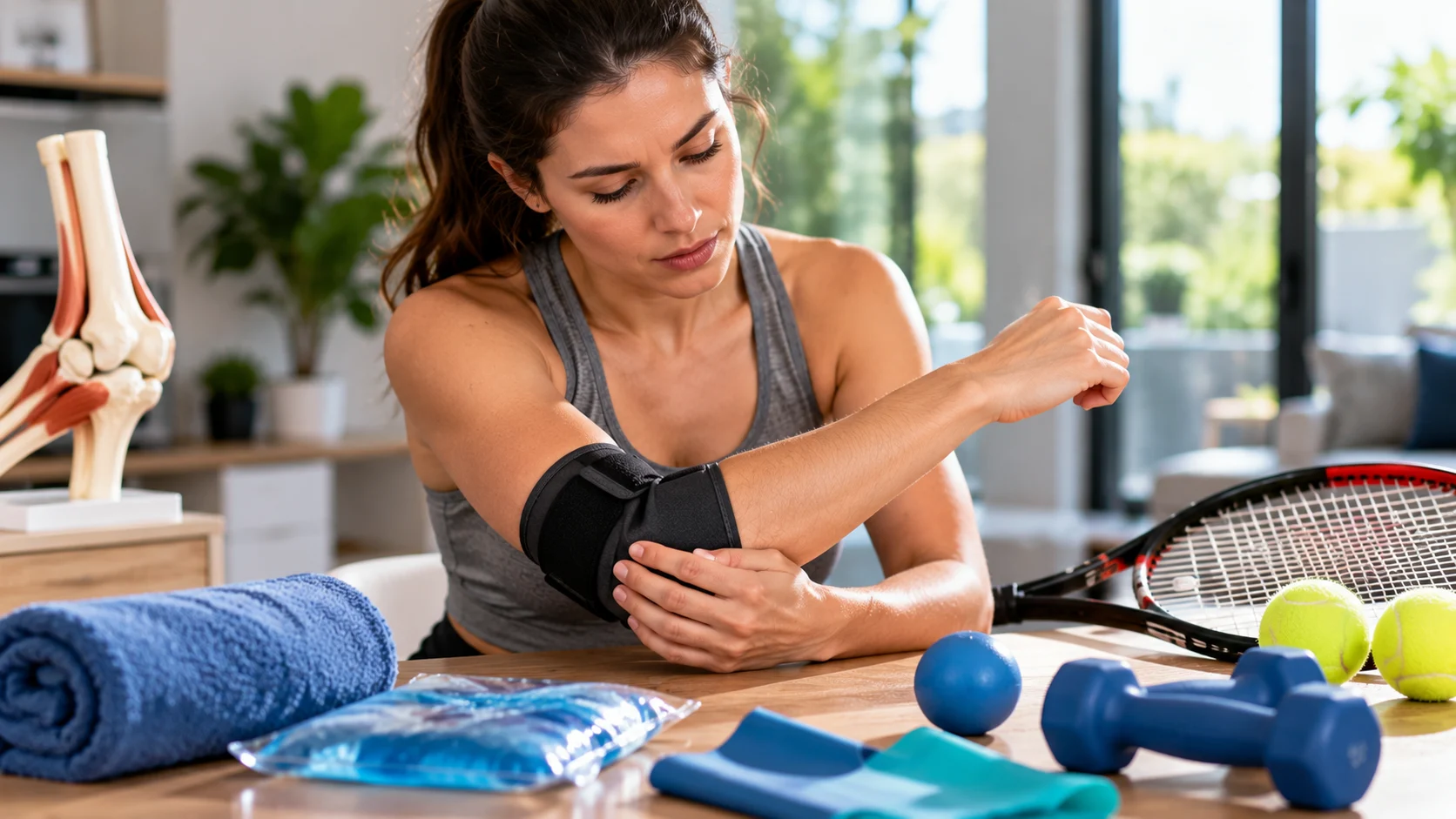
Tennis elbow is a common condition that can make everyday activities uncomfortable, especially tasks involving gripping, lifting, or repeated wrist movements. Although its name suggests a connection with tennis, the condition can affect office workers, manual workers, musicians, and anyone who repeatedly uses their forearm muscles. The discomfort may develop gradually and interfere with work, sports, and ordinary household activities.
Tennis elbow supportive therapy focuses on managing symptoms, improving arm function, and helping the affected tendons tolerate everyday activities. Different approaches, including physiotherapy, gradual strengthening, activity modification, and supportive braces, may contribute to recovery. Understanding the benefits and limitations of these treatments helps people make informed decisions about managing elbow discomfort safely.
This guide explores tennis elbow supportive therapy, its potential benefits, and important safety considerations. You will learn about physical therapy, gentle rehabilitation, elbow braces, cold and heat applications, and practical adjustments to everyday activities. It also explains when professional medical advice is necessary and how to approach recovery without expecting immediate results.
What Is Tennis Elbow?
Tennis elbow, medically known as lateral epicondylitis or lateral elbow tendinopathy, is a condition involving the tendons attached to the outside of the elbow. These tendons connect forearm muscles to bone and help control wrist and hand movements. Repeated loading or excessive strain can contribute to tendon changes and discomfort around the elbow joint.
The condition frequently develops through activities requiring repetitive gripping, wrist extension, or forearm rotation. Examples include certain sports, computer-related tasks, gardening, and manual work. However, tennis elbow does not always result from a single activity, and several factors may influence why symptoms develop in a particular individual.
Despite the term epicondylitis, persistent tennis elbow is not simply an inflammatory condition. Changes in tendon structure and the body’s response to repeated loading may contribute to ongoing pain. Understanding this distinction helps explain why supportive therapy often focuses on gradual rehabilitation and activity management rather than relying entirely on rest.
Common Symptoms of Tennis Elbow
The most recognizable symptom of tennis elbow is pain or tenderness around the outer part of the elbow. This discomfort may extend into the forearm and become more noticeable when gripping or lifting objects. Some people experience mild symptoms during specific movements, while others find that ordinary daily tasks become uncomfortable.
Common activities that may trigger symptoms include carrying shopping bags, opening jars, using tools, and working with a computer mouse. Certain wrist movements can also increase discomfort. Symptoms often develop gradually, although the pattern and intensity can vary depending on the individual and the activities involved.
Tennis elbow may occasionally affect sleep or make it difficult to complete normal routines comfortably. However, elbow pain can also result from other conditions, including nerve problems or injuries. A healthcare professional can assess persistent symptoms and determine whether tennis elbow or another condition is responsible.
What Is Tennis Elbow Supportive Therapy?
Tennis elbow supportive therapy refers to non-surgical approaches used to manage discomfort and improve function while the affected tendons recover. It may include physiotherapy, appropriate exercise, temporary activity adjustments, and external supports. These approaches aim to help individuals return to their normal activities while reducing unnecessary strain on the painful area.
Supportive therapy is generally tailored to the person’s symptoms, physical abilities, and daily requirements. Someone who develops discomfort during computer work may need different activity adjustments from a person who experiences symptoms while playing sports. Individual assessment helps determine which interventions are suitable and how rehabilitation should progress.
The primary goal is not simply to eliminate discomfort temporarily but to improve the arm’s ability to tolerate ordinary movement and activity. Progress can take time, particularly when symptoms have persisted for several months. A balanced approach combines manageable activity with appropriate recovery rather than relying exclusively on prolonged rest.
Benefits of Tennis Elbow Supportive Therapy
One potential benefit of supportive therapy is improved comfort during everyday activities. Adjusting repetitive movements, using appropriate supports, and following a suitable rehabilitation plan may reduce symptom aggravation. This can help individuals continue essential activities while gradually improving their ability to use the affected arm.
Another important benefit is improved muscle strength and functional tolerance. Gradual rehabilitation can help the forearm muscles and tendons adapt to controlled loading. As function improves, activities such as carrying objects, gripping equipment, and performing routine movements may become easier to manage.
Supportive therapy may also reduce the need for more invasive interventions in many cases. Most people with tennis elbow improve through non-surgical management, although recovery times vary considerably. Choosing evidence-informed approaches and reviewing progress with a healthcare professional can help individuals avoid unnecessary procedures or unrealistic treatment expectations.
Physical Therapy for Tennis Elbow
Physical therapy is a commonly recommended approach for managing persistent tennis elbow symptoms. A physiotherapist can assess the affected arm, evaluate movement limitations, and identify activities contributing to discomfort. Treatment may focus on restoring comfortable movement, improving strength, and helping the person return to regular activities gradually.
A rehabilitation program often includes carefully selected strengthening exercises and advice about managing daily activities. Some clinicians may also use manual therapy techniques as part of a broader treatment plan. These techniques may provide short-term symptom relief, although their usefulness depends on the individual and the overall rehabilitation approach.
Physical therapy generally works best when patients understand their exercises and participate consistently within appropriate limits. Improvements may occur gradually over several weeks or longer. Regular communication with a qualified therapist helps ensure that activities remain suitable and that the program changes when symptoms or functional abilities improve.
Gentle Stretching and Mobility Exercises
Gentle stretching and mobility exercises can be included in tennis elbow rehabilitation to maintain comfortable movement. These activities may focus on the wrist, forearm, and elbow. Their purpose is to support mobility without placing unnecessary stress on already sensitive tendons or surrounding structures.
Not every stretching movement is appropriate during every stage of recovery. Exercises that produce sharp pain or noticeably worsen symptoms may need modification or temporary avoidance. A physical therapist can help select movements that match individual tolerance and explain how to distinguish manageable discomfort from aggravating pain.
Mobility exercises should be viewed as one component of a broader rehabilitation program rather than a complete treatment by themselves. Gradual strengthening and activity management are also important. Consistent, appropriate movement can support recovery, but forcing the arm through painful positions is unlikely to provide additional benefit.
Strengthening Exercises for Tennis Elbow Recovery
Progressive strengthening is an important element of many tennis elbow rehabilitation programs. It helps improve the ability of the forearm muscles and associated tendons to manage everyday physical demands. Rehabilitation may involve controlled wrist movements, grip-related activities, and other exercises selected according to individual symptoms and abilities.
Different strengthening methods may be used as recovery progresses, including static muscle contractions and controlled movements against resistance. A clinician can determine which approach is appropriate and how the difficulty should change over time. Starting with excessive resistance or progressing too quickly may increase discomfort rather than support improvement.
Recovery exercises should follow a manageable progression that considers symptoms during and after activity. Some mild discomfort may be acceptable within a professionally guided program, but significant or increasing pain should prompt reassessment. The goal is gradual improvement in functional capacity, not completing the most demanding exercise possible.
Activity Modification and Managing Tendon Load
Activity modification means temporarily adjusting movements that repeatedly aggravate tennis elbow symptoms. It does not necessarily require avoiding all arm activity. Instead, the aim is to reduce excessive strain while maintaining comfortable movement and allowing the affected tissues to recover.
People may benefit from taking regular breaks during repetitive tasks or distributing demanding activities throughout the day. Changing how objects are carried and reducing unnecessary gripping force can also help. These adjustments allow individuals to remain active without repeatedly provoking the same painful movements.
Complete inactivity for extended periods may contribute to reduced strength and make returning to normal tasks more difficult. A gradual return to activity is generally preferable when medically appropriate. Professional guidance can help balance rest, movement, and strengthening according to the severity and duration of symptoms.
Tennis Elbow Braces and Support Straps
Tennis elbow braces are external supports designed to reduce discomfort during certain activities. A commonly used option is the counterforce strap, which fits around the upper forearm below the elbow. Some individuals experience temporary symptom relief while gripping or performing repetitive movements when wearing this type of support.
Braces may help redistribute some of the forces acting on the forearm muscles and tendons. However, they do not repair tendon tissue independently or replace rehabilitation exercises. Their effectiveness varies, and some people notice little improvement even when using an appropriately fitted support.
Choosing a comfortable brace and ensuring it does not restrict circulation are important safety considerations. A strap that causes numbness, tingling, skin irritation, or increased pain should be removed. A physiotherapist can explain whether a brace is likely to be useful and how it should fit during normal activities.
Cold and Heat Therapy for Tennis Elbow
Cold and heat applications are simple supportive approaches that may provide temporary relief from tennis elbow discomfort. Cold packs are sometimes used after activities that aggravate symptoms, while gentle warmth may feel comfortable when muscles are stiff. Neither method directly addresses all the underlying factors contributing to tendon-related pain.
Cold packs should be wrapped in a towel rather than placed directly against the skin. A short application of approximately 10 to 20 minutes is commonly recommended, depending on the individual’s tolerance. People with reduced skin sensation or circulation problems should seek professional advice before using temperature-based treatments.
Heat may help some people feel more comfortable before gentle movement, but it should not cause burning or excessive redness. Temperature therapy should remain an optional comfort measure rather than the main rehabilitation strategy. Persistent symptoms generally require attention to movement, activity demands, and appropriate strengthening.
Massage and Manual Therapy
Massage and manual therapy are sometimes included in tennis elbow supportive treatment. These approaches involve techniques applied to the muscles or surrounding tissues by trained professionals. Some individuals report temporary improvements in comfort, although evidence for long-term benefits from massage alone remains uncertain.
Manual therapy may be used alongside exercise and activity modification rather than as an isolated intervention. A clinician can assess whether these methods suit the person’s symptoms and overall rehabilitation goals. Treatment should remain comfortable and should not involve excessive pressure that noticeably increases pain.
Professional assessment is particularly important when the painful area is highly sensitive or symptoms extend beyond the elbow. Aggressive self-massage may aggravate discomfort. Individuals should avoid assuming that stronger pressure produces faster healing, as tendon recovery depends on multiple factors rather than massage intensity.
Ergonomic Adjustments for Work and Daily Activities
Workplace ergonomics can play a useful role when repetitive activities contribute to tennis elbow symptoms. Tasks involving frequent gripping, prolonged mouse use, or repeated wrist movements may place demands on the forearm muscles. Adjusting the workspace can help reduce unnecessary strain during routine activities.
For computer-related work, a comfortable desk arrangement and appropriate mouse position may help maintain more relaxed arm movements. Regular breaks and changes in activity can reduce prolonged repetition. The ideal setup varies according to the person’s work tasks, equipment, and physical requirements.
Manual workers may benefit from reviewing tool design, task duration, and the amount of gripping force required. Rotating activities or using suitable equipment may reduce repetitive loading. Occupational health professionals and physiotherapists can help identify practical adjustments without requiring unnecessary changes to essential work responsibilities.
Supportive Therapy for Tennis Players and Athletes
Athletes experiencing tennis elbow may need temporary adjustments to training intensity, technique, and equipment. Repetitive racket movements can place considerable demands on the wrist and forearm muscles. Continuing activities that repeatedly worsen symptoms may delay improvement and make returning to sport more difficult.
A healthcare professional or qualified sports therapist can help assess movement patterns and identify potential contributing factors. Equipment fit, training progression, and recovery opportunities may influence physical demands. However, changing a racket or technique alone does not guarantee recovery from established tendon symptoms.
Returning to sport should involve gradual progression based on comfortable movement, improving strength, and functional ability. Training loads may need to increase over time rather than returning immediately to previous levels. Persistent pain during or after activity is a reason to review the rehabilitation plan before increasing intensity.
Other Treatments and Their Limitations
Some people consider treatments such as therapeutic ultrasound, shockwave therapy, injections, or other specialized procedures when tennis elbow symptoms persist. However, these options have different levels of supporting evidence. Not every treatment marketed for tendon recovery has demonstrated meaningful long-term benefits in high-quality clinical studies.
Professional guidelines generally support physiotherapy as an important non-surgical option. Corticosteroid injections may provide short-term relief in some cases but are not routinely recommended in certain evidence-based guidelines because of concerns about longer-term outcomes. Shockwave therapy is also discouraged by some major guidelines because consistent benefits have not been demonstrated.
Platelet-rich plasma injections and other interventions remain subjects of clinical discussion and research. Their benefits are uncertain, and suitability depends on individual circumstances. People considering these treatments should discuss expected outcomes, potential risks, costs, and available alternatives with a qualified healthcare professional before making decisions.
Safety Tips for Tennis Elbow Supportive Therapy
Safety is an essential part of tennis elbow rehabilitation because excessive strain can worsen existing symptoms. Activities should match the individual’s current abilities and tolerance. Trying to accelerate recovery through aggressive exercise, prolonged stretching, or repeated painful movements may be counterproductive.
Supportive equipment should also be used appropriately. Braces must fit comfortably, temperature treatments should protect the skin, and manual therapy should avoid unnecessary pressure. Anyone experiencing worsening pain, numbness, unusual swelling, or reduced hand function should stop the aggravating activity and seek professional assessment.
Following a personalized rehabilitation plan is generally safer than copying demanding exercise routines without knowing whether they are suitable. Changes in symptoms may require adjustments to activity levels or treatment choices. Consistent communication with a physiotherapist or healthcare professional helps keep the recovery process appropriate and manageable.
How Long Does Tennis Elbow Take to Heal?
Tennis elbow recovery time varies depending on symptom duration, physical demands, individual health factors, and the rehabilitation approach. Some people notice improvement within several weeks, while others experience symptoms lasting many months. The condition can occasionally persist for a year or longer despite appropriate self-care.
Strengthening and rehabilitation programs often require several weeks before meaningful improvements become noticeable. Progress may not follow a perfectly consistent pattern, and temporary symptom fluctuations can occur. Monitoring daily function, comfort, and tolerance for normal activities can provide a broader picture of recovery than focusing on pain alone.
Patience is important because tendons adapt gradually to changing physical demands. Returning to strenuous activity too quickly may trigger renewed discomfort. A steady approach that combines manageable movement, appropriate exercise, and regular reassessment can support recovery without creating unrealistic expectations about a fixed healing timeline.
When to Seek Medical Attention for Tennis Elbow
Medical assessment is advisable when elbow pain persists despite reducing aggravating activities and trying appropriate self-care. If symptoms have not improved after approximately two weeks, a healthcare professional can help evaluate the cause. Persistent discomfort affecting sleep, work, or ordinary activities also deserves attention.
Seek prompt medical advice if symptoms involve significant weakness, numbness, tingling, or difficulty moving the arm normally. Severe pain following an injury, noticeable deformity, or substantial swelling should be evaluated urgently. Fever, redness, and warmth around a painful joint may also indicate a problem requiring timely assessment.
A clinician may examine the elbow, assess relevant movements, and consider whether another condition explains the symptoms. Imaging is not routinely necessary for straightforward tennis elbow but may be considered when the diagnosis is uncertain. An accurate diagnosis helps ensure supportive therapy addresses the actual problem.
Common Mistakes to Avoid During Tennis Elbow Recovery
One common mistake is continuing repetitive activities at the same intensity despite increasing discomfort. Although complete rest is not always necessary, repeatedly aggravating the painful area can interfere with recovery. Adjusting workloads and allowing appropriate recovery periods may help maintain activity without excessive strain.
Another mistake is relying entirely on braces, massage, or temporary pain-relief methods while overlooking rehabilitation. These approaches may improve comfort but do not necessarily restore muscle strength or tendon capacity. A balanced plan usually places greater emphasis on gradual exercise, activity modification, and monitoring functional improvements.
Expecting immediate results can also create frustration and lead to unnecessary treatment changes. Tendon recovery often requires consistent management over time. Following professional advice, avoiding abrupt increases in activity, and recognizing gradual progress can help make the recovery process safer and more manageable.
Conclusion
Tennis elbow supportive therapy can help individuals manage discomfort, improve arm function, and gradually return to everyday activities. Physiotherapy, appropriate strengthening exercises, activity modification, and selected supportive measures may all contribute to recovery. Understanding the condition and choosing suitable interventions are important steps toward managing symptoms effectively.
The benefits of supportive therapy depend on individual circumstances, symptom severity, and how consistently an appropriate rehabilitation plan is followed. Braces, temperature applications, and manual techniques may offer temporary comfort, while progressive rehabilitation addresses functional limitations. Avoiding unnecessary strain and recognizing treatment limitations helps support safer decision-making.
Recovering from tennis elbow requires patience, realistic expectations, and attention to changes in symptoms. Professional assessment is particularly valuable when pain persists, worsens, or affects normal arm function. With appropriate guidance and gradual activity progression, many people can improve their comfort and return to the activities they enjoy.
Frequently Asked Questions (FAQs)
What is the best supportive therapy for tennis elbow?
Physiotherapy with appropriately prescribed strengthening exercises and activity modification is commonly recommended. Braces and temporary pain-relief measures may also help, but the best approach depends on individual symptoms and functional needs.
Does wearing a tennis elbow brace help recovery?
A counterforce brace may reduce discomfort during certain activities by altering the load experienced by forearm tissues. However, it does not directly heal the tendon and should not replace rehabilitation.
Is massage good for tennis elbow?
Gentle professional massage may provide temporary symptom relief for some people. However, evidence for lasting benefits from massage alone is limited, and excessive pressure can aggravate symptoms.
How long does tennis elbow supportive therapy take to work?
Some people notice gradual improvement within several weeks, while others require months of rehabilitation. Recovery depends on symptom duration, activity demands, individual tolerance, and the suitability of the treatment plan.
Can tennis elbow heal without surgery?
Yes, most people with tennis elbow improve through non-surgical management. Activity modification, physiotherapy, and gradual strengthening are commonly used, while surgery is generally considered only for selected persistent cases.