


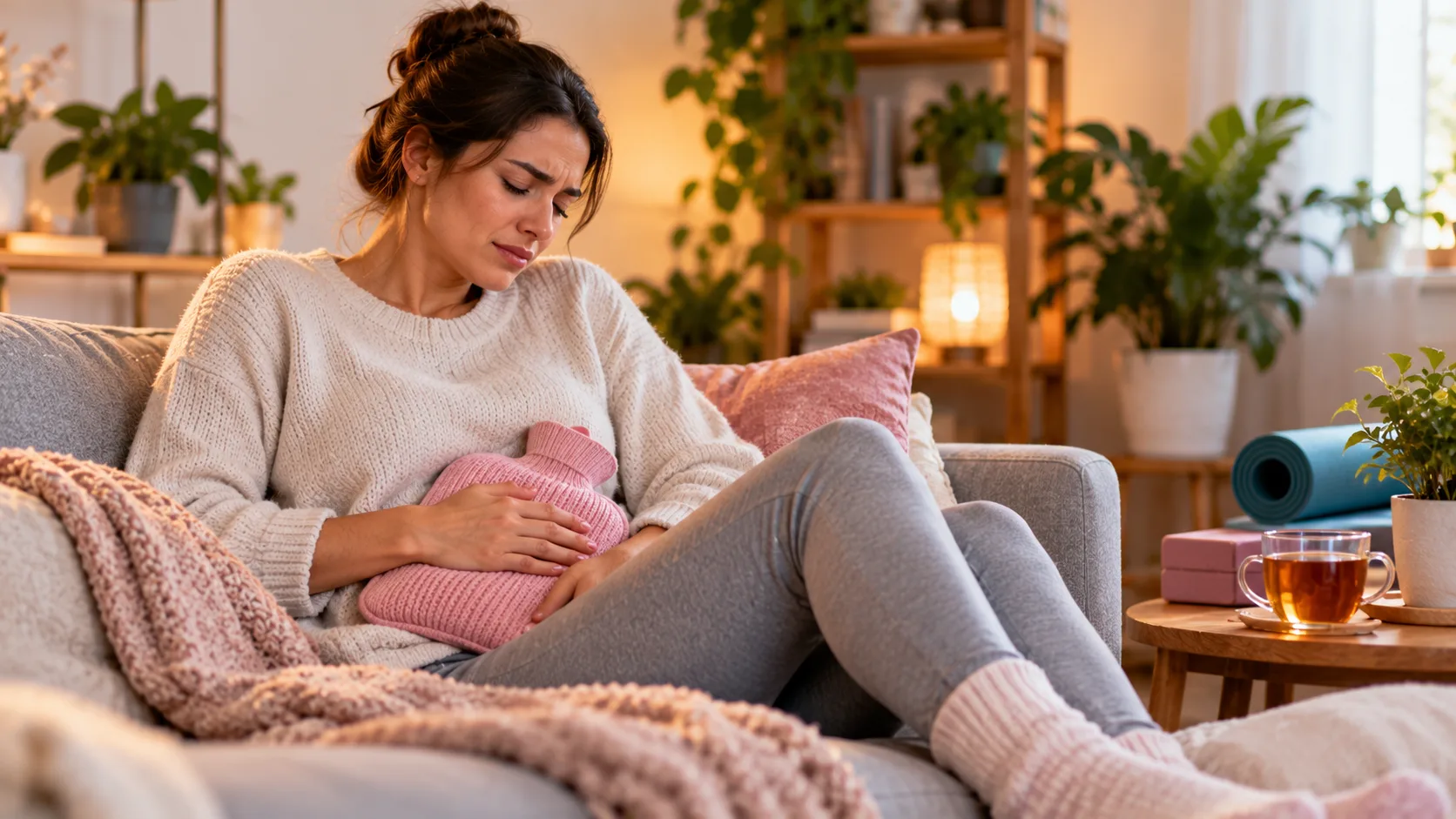
Pelvic pain can make everyday activities uncomfortable, affecting your ability to sit, walk, sleep, or complete normal routines. The discomfort may appear in the lower abdomen, hips, lower back, or pelvic floor muscles. While some pelvic pain is temporary, other symptoms may continue for weeks or return frequently. Understanding how to get relief from pelvic pain at home can help you manage discomfort while identifying when professional medical attention is necessary.
Several gentle self-care approaches may provide temporary relief, including heat therapy, relaxation exercises, comfortable positioning, and activity adjustments. However, pelvic pain can develop for many different reasons, and not every method works for every condition. Learning about possible causes and safe home management strategies can support your comfort without replacing an appropriate medical diagnosis or treatment.
What Is Pelvic Pain and Why Does It Happen?
Pelvic pain refers to discomfort in the lower part of the abdomen or surrounding pelvic region. It may involve muscles, nerves, joints, reproductive organs, urinary structures, or digestive organs. Some people experience occasional aching, while others describe pressure, cramping, or persistent discomfort. The location and intensity of symptoms can vary depending on the underlying cause.
Common causes include menstrual cramps, urinary problems, digestive conditions, pelvic floor muscle tension, and certain gynecological disorders. Endometriosis, interstitial cystitis, and pelvic inflammatory conditions may also contribute to ongoing symptoms. Musculoskeletal problems involving the hips or lower back can sometimes create pain that spreads into the pelvic area. Because several conditions share similar symptoms, identifying the exact cause may require medical evaluation.
Pelvic pain may develop suddenly or appear gradually over time. Some people notice discomfort during specific activities, while others experience symptoms without an obvious trigger. Keeping track of pain patterns can provide useful information about possible contributing factors. Although home remedies may improve comfort, new, persistent, or unexplained pelvic pain should not be dismissed without considering professional medical advice.
Common Symptoms That May Accompany Pelvic Pain
Pelvic pain can appear as a dull ache, uncomfortable pressure, or occasional cramping in the lower abdomen. Some people notice tenderness around the pelvic floor or discomfort extending into the lower back. Symptoms may change throughout the day depending on movement, posture, and physical activity. These patterns can provide clues, although they do not identify a specific diagnosis.
Urinary symptoms may occur alongside pelvic pain, including frequent urination, urgency, or discomfort around the bladder. Others experience bloating, constipation, or changes in bowel habits. Pain may also become noticeable during menstruation or certain physical activities. Because these symptoms overlap across several conditions, a healthcare professional may need to investigate the underlying cause.
Certain symptoms require urgent attention rather than continued home treatment. Sudden severe pelvic pain, fainting, heavy bleeding, fever with significant pain, or persistent vomiting may indicate a serious medical problem. Pelvic pain during a possible pregnancy also deserves prompt assessment, particularly when accompanied by bleeding or dizziness. Recognizing warning signs helps prevent delays in necessary medical care.
1. Use Gentle Heat Therapy for Pelvic Pain Relief
Heat therapy is a commonly used home approach for temporary relief from muscle-related pelvic discomfort and menstrual cramps. Warmth may help relax tense muscles and create a soothing sensation around the lower abdomen. Some people find a warm compress or heating pad comfortable during mild pain episodes. However, heat cannot treat every underlying cause of pelvic pain.
Choose a comfortably warm temperature rather than using intense heat directly against the skin. Place a protective layer between the heat source and your body to reduce the risk of burns. Follow the product’s safety instructions and avoid falling asleep with an electric heating pad switched on. People with reduced sensation or circulation problems should seek medical guidance before using heat.
Pay attention to how your body responds during and after using warmth. If symptoms become worse, stop and consider a different comfort measure. Heat may be suitable for some muscular symptoms but less helpful for certain inflammatory or acute conditions. Severe or unexplained pain requires assessment rather than repeated attempts to cover up symptoms with home remedies.
2. Practice Relaxation and Deep Breathing Exercises
Pelvic floor muscles can become tense during periods of stress, discomfort, or persistent pain. Relaxation techniques may help reduce unnecessary muscle guarding and encourage a greater sense of physical comfort. Slow breathing is one accessible approach that does not require special equipment. It can be practiced while sitting comfortably or resting in a supported position.
Diaphragmatic breathing involves allowing the abdomen and lower ribs to move naturally as you breathe. Rather than forcing deep breaths, focus on a gentle, comfortable rhythm. Some people find that this approach helps them recognize tension around the abdomen and pelvic floor. The goal is relaxation, not stretching or pushing the muscles beyond their comfortable range.
Regular relaxation practices may also help people cope with the emotional demands of persistent pelvic pain. Stress does not mean the pain is imaginary, but physical tension and discomfort can influence each other. Quiet breathing, mindfulness, and calming activities may support the body’s natural relaxation response. These techniques complement medical treatment but do not replace investigation of an underlying condition.
3. Try Gentle Movement and Comfortable Stretching
Light movement may help some people manage pelvic discomfort associated with prolonged sitting or muscular tension. Gentle walking and comfortable position changes can reduce stiffness without requiring strenuous exercise. The most appropriate activity depends on the cause and intensity of your symptoms. Avoid assuming that movement is beneficial when pain is sudden, severe, or unexplained.
Gentle stretching may be useful when a healthcare professional has identified a musculoskeletal contribution to pelvic pain. Movements involving the hips, lower back, and surrounding muscles should remain comfortable and controlled. Avoid forcing stretches, holding uncomfortable positions, or continuing when symptoms increase. A pelvic health physical therapist can recommend suitable movements based on individual needs.
Rest and activity should be balanced according to how you feel. Long periods of complete inactivity may contribute to stiffness for some people, while excessive activity can aggravate certain conditions. Gradually returning to comfortable daily movement may be more helpful than following demanding exercise routines. Persistent or worsening pain should be discussed with a qualified healthcare professional.
4. Adjust Your Sitting Position and Daily Posture
Sitting for extended periods can sometimes aggravate pelvic pain, particularly when muscles, joints, or sensitive nerves are involved. Pressure from certain chairs or positions may increase discomfort around the pelvis. Changing positions periodically can help reduce prolonged pressure on the same areas. Small adjustments may improve comfort without requiring significant changes to your routine.
Choose seating that provides comfortable support for your back and hips. Depending on the condition, some people benefit from a supportive cushion or a different chair height. Avoid rigidly maintaining one posture if it causes discomfort. The most helpful sitting position is generally one that allows you to relax and change positions comfortably.
Daily activities can also influence pelvic discomfort through repeated movements or prolonged physical demands. Consider whether certain tasks consistently increase symptoms and discuss significant limitations with a healthcare professional. Short breaks, comfortable positioning, and practical adjustments may make activities easier. Postural changes can support symptom management, but they cannot correct every medical cause of pelvic pain.
5. Support Healthy Bladder Habits
Bladder-related conditions can sometimes cause pelvic discomfort, particularly when symptoms include urinary urgency or frequent urination. Certain beverages or foods may aggravate symptoms in people with bladder sensitivity. Identifying individual patterns can help you understand possible triggers. However, dietary changes are not necessary for every type of pelvic pain and should be guided by your symptoms.
Maintaining regular hydration supports normal urinary function and general health. Avoid restricting fluids excessively in an attempt to reduce urinary discomfort, as dehydration may create additional problems. Some individuals with specific bladder conditions notice that caffeine or certain acidic drinks aggravate their symptoms. A healthcare professional can help determine whether adjusting these items is appropriate.
Try to maintain comfortable bathroom habits without routinely delaying urination for long periods. Avoid forcing urine out or straining when using the bathroom. Pain, burning, blood in the urine, or difficulty passing urine should be medically evaluated because these symptoms may indicate an underlying condition. Home adjustments cannot replace treatment for a urinary infection or other medical problem.
6. Prevent Constipation and Reduce Pelvic Strain
Constipation can contribute to pelvic discomfort by increasing pressure and causing straining during bowel movements. People with pelvic floor muscle tension may find that constipation makes existing symptoms more noticeable. Maintaining comfortable bowel habits can therefore be an important part of pelvic self-care. However, digestive symptoms can have several causes and may require additional evaluation.
Eating a balanced variety of foods, including appropriate fiber sources, can support regular bowel movements. Drinking enough water and maintaining gentle daily movement may also help. Increasing fiber gradually can be more comfortable than making sudden dietary changes. People with persistent bloating, abdominal discomfort, or complex digestive conditions should seek personalized advice before changing their diet significantly.
Avoid pushing forcefully during bowel movements because repeated straining may increase pelvic floor discomfort. Allow yourself adequate time and try to maintain a relaxed posture. Persistent constipation, blood in the stool, or significant changes in bowel habits deserve medical attention. Supporting digestive comfort can reduce one potential source of pelvic strain, but it may not resolve pain caused by other conditions.
7. Use Comfortable Resting and Sleeping Positions
Pelvic discomfort can sometimes make finding a relaxing position difficult, especially after a physically demanding day. Supporting the hips, lower back, or knees with pillows may help reduce pressure in certain positions. The most comfortable arrangement depends on individual symptoms and preferences. Small adjustments can make resting easier without placing additional demands on sensitive muscles.
Some people prefer lying on their side with a pillow between their knees. Others find a supported position on their back more comfortable. Neither option is universally better, and there is no need to remain in a position that increases pain. Experiment with gentle adjustments while avoiding pressure on particularly tender areas.
Sleep quality can influence how people experience and cope with persistent discomfort. Establishing a relaxing bedtime routine and maintaining a comfortable sleeping environment may support better rest. If pelvic pain regularly wakes you or prevents adequate sleep, discuss this with a healthcare professional. Addressing the underlying condition is important when simple positioning changes are insufficient.
8. Understand Pelvic Floor Muscle Tension
The pelvic floor is a group of muscles that helps support pelvic organs and contributes to bladder and bowel control. These muscles must contract and relax appropriately to function comfortably. When they remain excessively tense or have difficulty relaxing, some people experience pelvic pressure, aching, or discomfort. This condition is sometimes described as a hypertonic pelvic floor.
Pelvic floor muscle problems cannot always be identified through symptoms alone. Pain associated with sitting, difficulty relaxing during bathroom activities, and discomfort around the pelvis may have several explanations. A pelvic health physical therapist can assess muscle coordination and identify whether tension contributes to symptoms. This assessment helps distinguish between problems that require relaxation and those that may benefit from strengthening.
Pelvic floor strengthening exercises, often called Kegels, are not suitable for every type of pelvic pain. When muscles are already excessively tense, repeated contractions may increase discomfort. Avoid beginning an intensive strengthening routine without understanding your symptoms. Professional guidance can help identify whether relaxation, coordination exercises, strengthening, or another treatment is most appropriate.
9. Practice Mindfulness and Stress Management
Living with recurring pelvic pain can affect concentration, emotional well-being, and everyday confidence. Persistent discomfort may also make it difficult to relax during normal activities. Mindfulness practices can offer a way to acknowledge physical sensations without constantly reacting to them. These techniques aim to support coping and relaxation rather than suggest that pain is imaginary.
Mindfulness may involve sitting quietly, noticing your breathing, or paying gentle attention to the present moment. Some people prefer guided relaxation recordings or other calming activities. There is no requirement to maintain perfect concentration or eliminate every uncomfortable thought. Short, comfortable practices may be more manageable than lengthy sessions, particularly when symptoms are distracting.
Emotional support can also be valuable for people experiencing persistent pelvic pain. Talking with trusted people or a qualified counselor may help reduce the stress associated with ongoing symptoms. Psychological support does not replace medical diagnosis or treatment. Instead, it can complement other approaches by helping people manage the practical and emotional effects of chronic discomfort.
10. Track Your Symptoms and Identify Possible Triggers
Keeping a simple symptom record can help you recognize patterns in pelvic discomfort. Consider noting when symptoms occur, where pain is located, and which activities seem to influence it. Changes associated with menstruation, urination, bowel movements, or prolonged sitting may provide useful information. This record can also help healthcare professionals understand your experiences more clearly.
A symptom diary does not need to be complicated or time-consuming. Brief notes about pain patterns, relevant activities, and associated symptoms are often sufficient. Try to observe changes without becoming overly focused on every physical sensation. The purpose is to gather useful information rather than constantly monitor your body for signs of discomfort.
Reviewing patterns over time may reveal activities that repeatedly aggravate symptoms or comfort measures that seem helpful. However, a connection between two events does not always establish the cause of pain. Avoid making major treatment decisions based only on a personal diary. Share relevant observations with a clinician, especially when symptoms persist or interfere with normal activities.
How Pelvic Floor Physical Therapy Can Help
Pelvic floor physical therapy is a specialized approach used to assess and manage certain conditions affecting the pelvic muscles and surrounding structures. A trained therapist evaluates muscle function, movement patterns, and symptoms to develop an individualized treatment plan. This approach may be helpful when muscular tension or poor coordination contributes to pelvic discomfort. Treatment recommendations depend on the person’s specific condition.
Physical therapy may involve education, relaxation techniques, gentle movement, and exercises designed to improve muscle coordination. Some treatment plans include biofeedback to help individuals recognize muscle activity more effectively. Not every person requires the same exercises or procedures. A professional assessment can reduce the risk of using techniques that unintentionally aggravate symptoms.
Home exercises may form part of a physical therapy program when appropriate. However, treatment should be adapted to individual symptoms, abilities, and medical history. Progress can take time, particularly when discomfort has been present for an extended period. Working with a qualified specialist can help establish realistic goals and identify when further medical evaluation is necessary.
Common Mistakes to Avoid When Managing Pelvic Pain
One common mistake is assuming that all pelvic pain comes from tight or weak muscles. The pelvis contains several organs and structures that can produce similar symptoms. Relying on one explanation may delay identification of an infection, inflammatory condition, or another medical problem. Persistent or unexplained pain deserves a proper assessment rather than repeated self-diagnosis.
Another mistake is forcing exercises or stretches despite increasing discomfort. Movements that help one person may worsen symptoms in someone with a different condition. Similarly, repeated Kegel exercises are not always appropriate for people experiencing muscle tension. Choosing gentle approaches and obtaining personalized guidance can help prevent unnecessary aggravation.
Ignoring warning signs is another important concern. Severe pain, fever, fainting, abnormal bleeding, or significant urinary difficulties should not be managed solely with home remedies. Overusing medications or trying several unverified treatments can also create additional risks. A safer approach combines reasonable self-care with timely professional assessment whenever symptoms become concerning.
When Should You See a Doctor for Pelvic Pain?
Medical advice is recommended when pelvic pain continues, repeatedly returns, or interferes with daily activities. Symptoms that affect sleep, school, work, or comfortable movement deserve assessment. A healthcare professional can review your medical history and recommend appropriate tests when necessary. Early evaluation may help identify treatable conditions and prevent unnecessary delays.
Seek urgent medical attention for sudden severe pelvic pain, fainting, persistent vomiting, or heavy bleeding. Fever with significant pelvic pain may suggest an infection or another condition requiring prompt treatment. Severe pain associated with a possible pregnancy also needs immediate medical evaluation. These situations should not be managed through relaxation techniques or heat therapy alone.
You should also arrange a medical appointment for recurring urinary problems, unusual discharge, persistent digestive symptoms, or pain that gradually worsens. A clinician may recommend additional assessment or referral to an appropriate specialist. Receiving a diagnosis can help identify which self-care techniques are useful and which should be avoided. Pelvic pain management works best when it addresses the underlying cause.
Conclusion
Learning how to get relief from pelvic pain at home begins with understanding your symptoms and choosing gentle, appropriate self-care strategies. Heat therapy, comfortable positioning, relaxation exercises, and sensible activity adjustments may provide temporary comfort for some people. However, pelvic pain has many possible causes, and no single home remedy works for every condition.
Supporting healthy bladder and bowel habits, managing stress, and recognizing possible symptom triggers can also contribute to everyday comfort. When pelvic floor muscle dysfunction is involved, specialized physical therapy may provide additional support. The most effective approach depends on an accurate understanding of your symptoms rather than relying on generalized exercises or treatments.
Remember that home self-care is intended to support comfort, not replace medical treatment when an underlying condition is present. Persistent, worsening, or unexplained symptoms deserve professional attention, while sudden severe pain or other warning signs require urgent care. Combining safe self-care with appropriate medical guidance can help you manage discomfort and protect your long-term well-being.
Frequently Asked Questions
What is the fastest way to relieve pelvic pain at home?
For mild, familiar pelvic discomfort, gentle heat, comfortable resting positions, and relaxation may provide temporary relief. Sudden or severe pelvic pain requires urgent medical assessment rather than attempts to treat it at home.
Can tight pelvic floor muscles cause pelvic pain?
Yes, excessively tense pelvic floor muscles can contribute to aching, pressure, and discomfort. A pelvic health physical therapist can assess muscle function and recommend appropriate relaxation or coordination techniques.
Does walking help relieve pelvic pain?
Gentle walking may help some people manage muscular stiffness and discomfort. However, its usefulness depends on the underlying cause, and activities that worsen symptoms should be adjusted or stopped.
Are Kegel exercises good for pelvic pain?
Kegel exercises can help certain pelvic floor conditions but may aggravate symptoms when muscles are already excessively tense. A healthcare professional can determine whether strengthening or relaxation is more appropriate.
When should I worry about pelvic pain?
Seek urgent medical care for sudden severe pain, fainting, heavy bleeding, or significant pain with fever or possible pregnancy. Persistent or recurring pelvic pain also deserves professional assessment.