


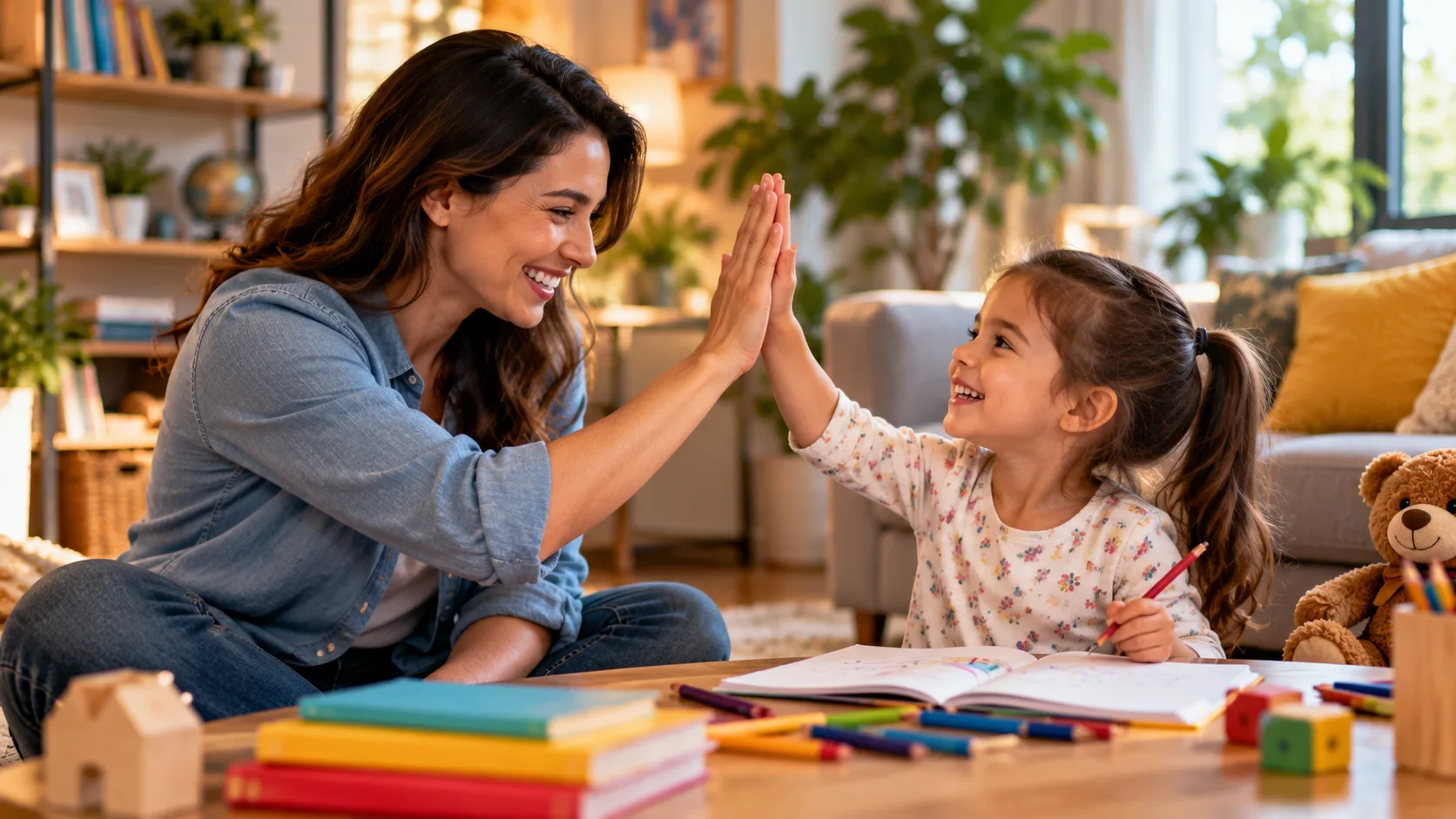
Encouraging good behavior in children is an important part of parenting, but it can sometimes feel challenging. Children are constantly learning how to express emotions, communicate their needs, and understand social expectations. During this process, they may struggle with following instructions, sharing with others, or managing frustration. Helping children develop positive habits requires patience, consistency, and age-appropriate guidance.
Good behavior is not simply about children following rules or avoiding mistakes. It also involves developing kindness, responsibility, emotional awareness, cooperation, and respect for others. Parents and caregivers can support these qualities by creating a safe environment where children feel understood and encouraged. Learning effective ways to encourage good behavior in children can make everyday family interactions more positive and manageable.
Why Encouraging Good Behavior in Children Matters
Positive behavior helps children develop essential skills that support their relationships, learning, and emotional well-being. When children practice cooperation, patience, and respectful communication, they become better prepared to handle everyday challenges. These skills are valuable at home, in school, and during social activities. Parents can support this development through everyday interactions and consistent examples.
Encouraging appropriate behavior also helps children understand how their actions affect other people. Simple experiences such as taking turns, listening, and helping family members provide opportunities to practice consideration and responsibility. Children gradually learn that their choices can have positive consequences for themselves and others. These lessons become more meaningful when adults explain expectations in clear, age-appropriate language.
A supportive approach to behavior encourages learning rather than focusing only on punishment. Children need opportunities to make mistakes, understand what happened, and practice better responses. When adults provide guidance without humiliation or unnecessary criticism, children can develop confidence in their ability to improve. This creates a healthier foundation for emotional growth and positive family relationships.
1. Set Clear Rules and Consistent Boundaries
Children benefit from knowing what is expected of them in different situations. Clear rules provide structure and help reduce confusion about acceptable behavior. Instead of giving complicated instructions, parents can explain expectations using short, simple sentences. For example, reminding children to use gentle hands or put toys away after playing makes responsibilities easier to understand.
Consistency is important because children may become confused when rules change unexpectedly. If a particular behavior is acceptable one day but discouraged the next, understanding expectations becomes more difficult. Parents and caregivers should try to maintain reasonable boundaries while considering the child’s age and circumstances. Predictable expectations make daily routines easier to follow and support a sense of security.
Rules should also be realistic and flexible enough to accommodate children’s developmental needs. Younger children may require frequent reminders, while older children can participate in discussions about family expectations. Explaining the reasons behind rules helps children understand their purpose. The goal is to teach responsible decision-making rather than demand unquestioning obedience in every situation.
2. Praise Positive Behavior and Recognize Effort
Positive attention can encourage children to repeat helpful and cooperative behaviors. When children receive recognition for sharing, listening, or completing responsibilities, they begin to understand which actions are appreciated. Praise is most useful when it focuses on specific behavior rather than general labels. For example, acknowledging that a child helped clean up toys explains exactly what they did well.
Recognizing effort is equally important because children are still learning new skills. A child who attempts to manage frustration or complete a difficult task deserves encouragement even when the outcome is imperfect. Supportive comments can help children feel motivated to keep practicing. This approach encourages persistence and reminds children that improvement often takes time.
Praise should remain genuine rather than becoming a constant reward for every ordinary action. Excessive approval may encourage children to focus mainly on pleasing adults instead of understanding their own choices. Parents can balance encouragement with conversations about how positive behavior helps others. Over time, children can develop a stronger sense of personal responsibility and satisfaction.
3. Be a Positive Role Model for Your Children
Children learn many behaviors by observing the adults around them. They notice how parents communicate, handle disagreements, respond to stress, and treat other people. Demonstrating kindness and respectful communication provides practical examples that children can understand. Everyday actions often influence behavior more effectively than repeatedly explaining rules without demonstrating them.
Parents can model positive behavior by speaking politely, listening attentively, and admitting mistakes when necessary. For example, apologizing after speaking impatiently teaches children that everyone is responsible for their actions. Showing appreciation when someone offers help demonstrates gratitude in a natural setting. These small interactions provide meaningful lessons about healthy relationships.
Being a positive role model does not mean parents must behave perfectly all the time. Everyone experiences frustration, fatigue, and difficult emotions. What matters is how adults respond and repair interactions when problems occur. Children benefit from seeing that disagreements can be handled respectfully and that mistakes provide opportunities to learn better ways of behaving.
4. Use Positive Discipline Instead of Harsh Punishment
Positive discipline focuses on teaching children appropriate behavior while maintaining respectful boundaries. Instead of relying on fear, threats, or humiliation, parents guide children toward understanding the effects of their actions. This approach combines warmth with reasonable expectations and appropriate consequences. Children are more likely to learn useful skills when they understand what behavior needs to change.
Natural and logical consequences can help children connect choices with outcomes when they are safe and age-appropriate. For example, a child who spills something while playing can help clean it up with adult assistance. This response teaches responsibility without unnecessary shame. Consequences should relate to the behavior and should never involve physical punishment or withholding essential care.
Parents can also offer limited choices to encourage cooperation. Asking whether a child wants to put away books or blocks first provides a sense of participation while maintaining expectations. Choices should be genuine, manageable, and suited to the child’s developmental stage. Positive discipline works best when children feel supported while learning to make responsible decisions.
5. Build Strong Communication and Listening Skills
Healthy communication helps children express their needs and understand the expectations of others. When parents listen patiently, children may feel more comfortable discussing frustrations, worries, or disagreements. This openness can reduce misunderstandings that contribute to challenging behavior. Establishing respectful communication habits also helps children develop confidence in expressing their thoughts appropriately.
Active listening involves paying attention, acknowledging feelings, and responding without immediately criticizing. For example, a parent might recognize that a child feels disappointed before explaining why a particular request cannot be granted. This does not mean agreeing with every demand. It means showing that emotions are understandable even when certain behaviors are unacceptable.
Parents can encourage communication by asking simple questions and allowing children enough time to answer. Conversations during meals, playtime, or daily routines create natural opportunities for connection. Avoid interrupting or dismissing feelings simply because the problem seems small to an adult. Respectful listening teaches children that communication is a useful way to resolve concerns.
6. Create Healthy Routines and a Supportive Environment
Predictable routines can make everyday responsibilities easier for children to understand. Regular schedules for meals, school preparation, playtime, and bedtime provide structure throughout the day. When children know what usually happens next, transitions may become less stressful. Consistent routines are especially helpful for younger children who are still developing independence and organizational skills.
A supportive environment also considers children’s physical and emotional needs. Hunger, tiredness, overstimulation, and unexpected changes can make cooperation more difficult. Parents can reduce unnecessary challenges by allowing time for rest, meals, movement, and relaxed activities. Understanding these needs helps adults respond with appropriate support rather than assuming every difficult moment involves deliberate misbehavior.
Routines should remain flexible enough to accommodate family circumstances and individual differences. Some children adapt easily to changes, while others need advance notice or additional reassurance. Visual schedules, gentle reminders, and simple preparation can make transitions easier. A balanced home environment supports positive behavior by helping children feel secure, included, and understood.
7. Teach Emotional Regulation and Problem-Solving Skills
Children need guidance to recognize emotions and respond to them appropriately. Feelings such as anger, sadness, excitement, and frustration are normal parts of development. However, young children may struggle to explain these experiences or manage their reactions. Parents can help by naming emotions and demonstrating safe ways to express them.
Simple calming strategies can support emotional regulation when adapted to a child’s age and preferences. Taking a quiet break, breathing slowly, or talking with a trusted adult may help during stressful moments. These techniques should be introduced gently rather than used as punishment. Children often need repeated practice before they can apply emotional skills independently.
Problem-solving also becomes easier when adults help children think through everyday challenges. Instead of immediately providing every answer, parents can ask what happened and explore possible solutions together. For example, siblings disagreeing over a toy may need help developing a fair way to take turns. These conversations encourage cooperation, empathy, and thoughtful decision-making.
How to Handle Challenging Behavior in Young Children
Challenging behavior is a common part of childhood development, particularly when children are learning independence and emotional regulation. Tantrums, disagreements, and resistance to instructions may occur when children feel overwhelmed or frustrated. These behaviors do not automatically indicate a serious problem. Understanding the circumstances surrounding an incident can help parents respond more effectively.
When a child becomes upset, maintaining a calm and supportive approach is often more helpful than escalating the disagreement. Parents can focus first on safety and allow space for emotions to settle. Once the child is ready, they can explain expectations and discuss better responses. Long lectures during intense emotional moments are often difficult for young children to process.
Repeated behavior challenges may require closer attention to patterns and possible triggers. Changes in routines, school difficulties, communication needs, or developmental differences can influence behavior. Keeping expectations realistic and providing consistent support may improve everyday interactions. If behavior significantly affects safety, learning, or family life, professional guidance can help identify appropriate strategies.
How to Encourage Good Behavior Without Rewards
Rewards are sometimes used to encourage specific behaviors, but they are not the only way to support positive habits. Children can also develop motivation through meaningful responsibilities, supportive relationships, and opportunities to make choices. Explaining how their actions benefit others can encourage consideration and cooperation. This approach helps children understand behavior beyond the possibility of receiving a prize.
For example, a child who helps prepare the dinner table can learn that contributing makes family activities easier. Parents can acknowledge the helpful action and invite the child to participate again. Shared responsibilities encourage belonging and cooperation when tasks match the child’s abilities. The experience itself can become rewarding because children feel included in everyday family life.
Parents should avoid making affection or approval conditional on perfect behavior. Children need to know they remain valued even when they make mistakes or struggle with expectations. Supportive guidance allows them to understand consequences while maintaining emotional security. Encouraging responsibility through connection and explanation can help develop more lasting positive habits.
The Importance of Patience and Consistency in Parenting
Developing positive behavior takes time because children learn through observation, repetition, and experience. A strategy that works immediately in one situation may require additional practice in another. Parents may sometimes feel discouraged when progress seems slow. Maintaining realistic expectations helps families recognize that behavioral development is gradual rather than perfectly consistent.
Consistency does not mean responding rigidly without considering a child’s needs. Different situations may require flexibility, empathy, or changes in expectations. For example, a tired child may need additional support with a routine they usually manage independently. Balancing predictable boundaries with understanding helps children feel supported while continuing to learn responsible behavior.
Parents also benefit from recognizing their own emotional needs and limitations. Caring for children can be demanding, especially during stressful periods or major family changes. Taking reasonable breaks and seeking support from trusted people can help adults respond more calmly. Patient guidance becomes easier when caregivers have opportunities to manage their own stress and well-being.
How to Teach Children Respect and Responsibility
Respect develops through everyday experiences involving kindness, communication, and consideration for others. Children learn what respectful behavior looks like when adults listen to them and treat people fairly. Simple actions such as taking turns, expressing appreciation, and respecting personal boundaries provide practical opportunities for learning. These lessons become more effective when adults demonstrate the same behavior.
Responsibility can be introduced through manageable tasks appropriate for a child’s age and abilities. Younger children might help organize toys, while older children can participate in household routines or care for personal belongings. Assigning realistic responsibilities encourages independence and contribution. Tasks should be explained clearly, with guidance available when children need assistance.
When children make mistakes, parents can use the situation to discuss responsibility without humiliation. Encouraging them to repair a problem, offer an apology when appropriate, or help find a solution teaches accountability. The focus should remain on learning rather than assigning negative labels. Over time, these experiences can strengthen cooperation and respectful decision-making.
Common Parenting Mistakes That Can Affect Child Behavior
One common mistake is giving instructions that are too complicated or unrealistic for a child’s developmental stage. Young children may struggle to remember several directions at once or complete tasks requiring skills they have not developed. Breaking responsibilities into smaller steps can improve understanding. Clear explanations are often more effective than repeatedly expressing frustration.
Another mistake is responding to every challenging behavior with immediate punishment. Children may misbehave because they are overwhelmed, confused, tired, or seeking connection. Addressing the underlying need while maintaining appropriate boundaries can support better long-term learning. Harsh criticism or embarrassment may increase distress without teaching the child what to do differently.
Comparing children with siblings or peers can also create unnecessary pressure and discourage confidence. Every child develops emotional, social, and communication skills at an individual pace. Recognizing personal progress is generally more useful than demanding identical behavior from everyone. Parents can encourage improvement by setting realistic expectations and celebrating meaningful efforts without creating competition.
How Parents and Teachers Can Work Together
Children benefit when parents and teachers communicate about expectations, learning needs, and behavior patterns. A cooperative relationship can help adults understand which strategies work well in different environments. Schools and homes have different routines, but consistent messages about kindness and responsibility can support development. Open communication also allows concerns to be addressed before they become more difficult.
Parents can ask teachers about a child’s strengths, friendships, and classroom experiences rather than focusing only on problems. Teachers may notice behavior patterns that are less visible at home, while parents can provide useful information about family routines. Sharing observations respectfully helps adults understand the child’s broader circumstances. Together, they can identify supportive approaches suited to individual needs.
When behavior challenges occur, cooperation should focus on practical solutions rather than blame. Clear communication, reasonable expectations, and regular feedback can help everyone support the child more effectively. Additional school resources may be available when learning or emotional difficulties affect classroom participation. A positive partnership encourages children to experience guidance and understanding across different settings.
When to Seek Professional Help for Child Behavior
Most children experience occasional behavioral difficulties as they develop emotional and social skills. However, persistent challenges that significantly affect relationships, learning, or everyday functioning may benefit from professional assessment. Parents might notice repeated intense emotional reactions, major changes in behavior, or difficulties across different environments. These concerns deserve attention without assuming that the child has a particular condition.
A pediatrician, child psychologist, or other qualified professional can help evaluate possible developmental, emotional, or environmental factors. Professional guidance may include parenting strategies, school-based support, or additional assessments when appropriate. Seeking advice can provide families with a clearer understanding of the child’s needs. Early support may also prevent manageable challenges from becoming more disruptive.
Professional assistance is particularly important when behavior creates immediate safety concerns or causes significant distress. Parents should avoid relying entirely on punishment or assuming children will simply outgrow every difficulty. Supportive evaluation can identify effective ways to improve communication and emotional well-being. The goal is to help children develop successfully while ensuring families receive appropriate guidance.
Conclusion
Encouraging good behavior in children requires patience, clear expectations, positive communication, and supportive guidance. Children learn important life skills through everyday interactions, observations, and opportunities to practice responsible choices. By focusing on connection and learning rather than harsh punishment, parents can create an environment that supports cooperation and emotional development.
The seven strategies discussed in this guide provide practical ways to encourage positive behavior at home. Setting consistent boundaries, recognizing effort, modeling respectful actions, and teaching emotional regulation can improve family interactions over time. Healthy routines and meaningful communication also help children feel secure while learning to manage challenges independently.
Remember that every child develops at their own pace, and occasional mistakes are a normal part of growing up. Parents do not need to be perfect to provide helpful guidance and a supportive home environment. With realistic expectations, consistent encouragement, and appropriate support when needed, children can gradually develop the skills required for positive relationships and responsible behavior.
Frequently Asked Questions
What is the best way to encourage good behavior in children?
Clear expectations, consistent boundaries, specific praise, and respectful communication can encourage positive behavior. Parents should model appropriate actions and provide age-appropriate guidance while recognizing that children learn through practice and mistakes.
How do you discipline a child without punishment?
Positive discipline focuses on teaching rather than frightening or humiliating children. Parents can use clear boundaries, logical consequences, calm explanations, and problem-solving to help children understand their actions and develop better responses.
Why does my child behave well at school but not at home?
Children may respond differently to routines, expectations, tiredness, and emotional comfort across environments. Understanding patterns, maintaining supportive boundaries, and communicating with teachers can help parents identify what influences behavior.
How can parents encourage children to listen and follow instructions?
Use short, clear instructions, gain the child’s attention, and allow enough time for a response. Consistent routines, age-appropriate expectations, and recognition of cooperation can make following directions easier.
At what age should children start learning good behavior?
Children begin developing social and emotional skills during early childhood. Parents can introduce simple expectations, model kindness, and encourage cooperation from a young age while adapting guidance to each developmental stage.