


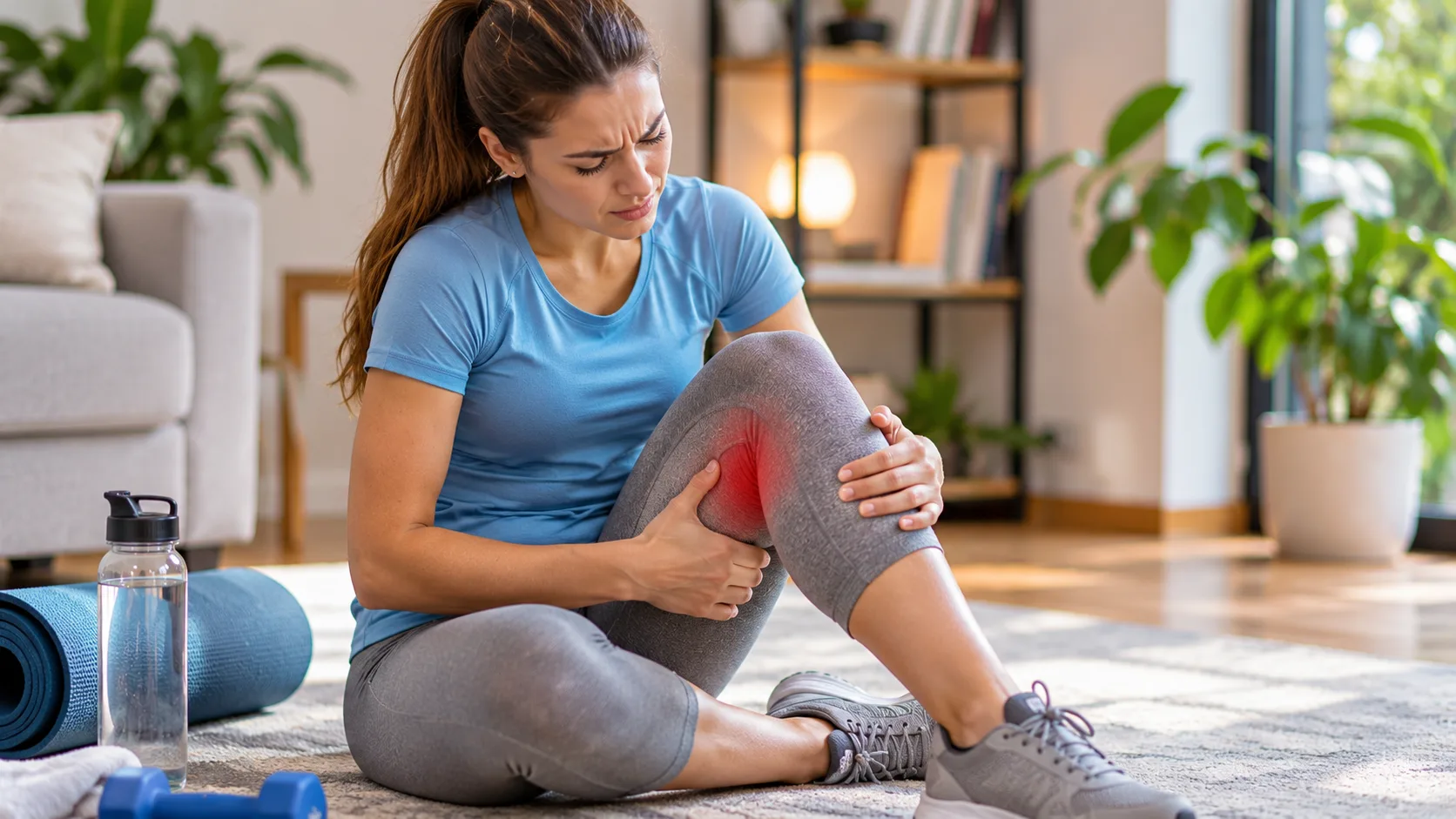
Inner knee pain can make everyday activities such as walking, climbing stairs, bending, and standing uncomfortable. Sometimes the pain begins after exercise or a sudden movement, while other times it develops gradually without an obvious injury. The discomfort may feel sharp, dull, or aching, depending on which structures inside the knee are affected. Understanding the possible causes is the first step toward finding appropriate relief.
Pain on the inside of the knee can result from ligament injuries, cartilage problems, arthritis, or inflammation around nearby tendons. Although mild discomfort may improve with activity changes and simple home care, persistent symptoms sometimes require professional treatment. This guide explains the common causes of medial knee pain, how to recognize important symptoms, and practical ways to support recovery safely.
What Is Inner Knee Pain?
Inner knee pain refers to discomfort along the medial side of the knee, which is the side closest to your other leg. This area contains several important structures, including ligaments, cartilage, bones, tendons, and cushioning tissues. These structures work together to support movement and maintain joint stability. Pain can develop when one or more of them becomes injured, irritated, or inflamed.
The intensity of medial knee pain varies depending on the underlying problem. Some people experience mild aching during physical activity, while others notice sharp discomfort when bending or twisting the knee. Swelling, stiffness, and tenderness may also develop around the affected area. The exact location and pattern of symptoms can provide useful clues about the possible cause.
Inner knee discomfort can affect people of different ages and activity levels. Athletes may develop symptoms after repetitive movements or sudden changes in direction, while others experience pain associated with joint conditions. However, the location of pain alone cannot confirm a diagnosis. A healthcare professional may need to examine the knee to identify the underlying problem.
Understanding the Anatomy of the Inner Knee
The knee is a complex joint connecting the thighbone, shinbone, and kneecap. Several ligaments help stabilize these bones, while cartilage provides cushioning during movement. The medial collateral ligament, or MCL, runs along the inside of the knee and supports sideways stability. Injury to this ligament can cause pain and tenderness along the inner joint.
Another important structure is the medial meniscus, a C-shaped piece of cartilage between the thighbone and shinbone. It helps distribute pressure and supports smooth joint movement. Sudden twisting, repetitive stress, or gradual tissue changes can affect the meniscus. When this happens, discomfort may develop along the inner joint line, sometimes accompanied by swelling or catching sensations.
Tendons and small fluid-filled sacs called bursae also help the knee move comfortably. One important area is the pes anserine, where three tendons attach near the inner shinbone. Irritation around these tissues can produce discomfort slightly below the knee joint. Understanding these structures helps explain why similar symptoms may develop from several different conditions.
Common Causes of Inner Knee Pain
Several conditions can cause pain along the inside of the knee, and the symptoms sometimes overlap. Common possibilities include ligament sprains, meniscus injuries, osteoarthritis, and inflammation around nearby tendons or bursae. Repetitive movement can also irritate surrounding tissues. Identifying the correct cause is important because treatment approaches vary depending on the affected structure.
Sports involving running, jumping, sudden stops, or changes in direction can increase stress on the knee. A twisting movement may injure the meniscus, while an unexpected sideways force can damage the MCL. Pain may begin immediately or become more noticeable as swelling develops. The circumstances surrounding the discomfort can help a clinician determine what happened.
Not every case involves a sudden injury. Gradual changes in joint cartilage, repeated physical stress, or irritation of nearby tissues can also lead to inner knee discomfort. Symptoms may become more noticeable during stairs, prolonged walking, or certain exercises. Some inflammatory joint conditions can cause similar problems. A medical assessment is helpful when the cause remains unclear.
Medial Collateral Ligament Injury and Inner Knee Pain
The medial collateral ligament helps prevent excessive sideways movement of the knee joint. An MCL sprain occurs when this ligament becomes stretched or partially torn, often following a sudden sideways force. Sports involving quick direction changes or physical contact can contribute to these injuries. Pain usually develops along the inner knee and may worsen during movement.
MCL injuries can produce tenderness, swelling, and a feeling that the knee is unstable. Mild sprains may cause discomfort without significantly affecting walking, while more serious injuries can make movement difficult. Some people notice pain when turning or changing direction. Because other knee structures may also be injured, symptoms should not be used to determine injury severity independently.
Treatment depends on the severity of the ligament injury and whether other structures are affected. Many isolated MCL injuries improve with activity modification, rehabilitation, and sometimes a supportive brace recommended by a clinician. More serious injuries require careful medical evaluation and an individualized recovery plan. Returning to sports before the knee has regained adequate stability may increase the chance of further injury.
Medial Meniscus Tear and Sharp Inner Knee Pain
The medial meniscus acts as a cushion between the bones of the knee, helping distribute forces during movement. A meniscus tear may occur during twisting activities, particularly when the foot remains planted while the body turns. Gradual tissue changes can also contribute to tears. Symptoms often include discomfort along the inner joint line during bending or rotation.
Some people experience swelling, stiffness, catching sensations, or difficulty fully straightening the knee after a meniscus injury. The knee may occasionally feel unstable or become temporarily stuck during movement. However, not every tear produces noticeable symptoms, and similar complaints can arise from other conditions. A proper examination is necessary to distinguish a meniscus problem from ligament or cartilage disorders.
Many meniscus injuries can be managed without surgery through guided rehabilitation and appropriate activity changes. Physical therapy may help improve strength, movement, and knee function while symptoms settle. Surgery is considered in selected cases, particularly when symptoms remain troublesome or significant mechanical problems occur. Treatment decisions depend on the injury, overall knee condition, and individual needs.
Knee Osteoarthritis and Pain on the Inner Side
Knee osteoarthritis develops when changes in joint cartilage and surrounding tissues affect how the joint functions. The inner compartment of the knee is commonly involved, making medial knee pain a frequent symptom. Discomfort may develop gradually and become more noticeable during walking or standing. Some people also experience stiffness after periods of inactivity.
Osteoarthritis symptoms can include aching, reduced flexibility, swelling, and occasional grinding sensations during movement. Pain levels may vary from day to day depending on activity and other factors. Although osteoarthritis becomes more common with age, symptoms and imaging findings do not always match. A clinician can evaluate whether joint changes are contributing to the discomfort.
Management usually focuses on maintaining mobility, improving muscle strength, and reducing activities that repeatedly aggravate symptoms. Physical therapy and appropriately selected pain relief may help people remain active. Some individuals benefit from additional treatments when symptoms interfere with daily activities. Because osteoarthritis is a long-term condition, management often involves adjusting strategies as symptoms and functional needs change.
Pes Anserine Bursitis and Inner Knee Tenderness
Pes anserine bursitis occurs when a small cushioning sac near the inner shinbone becomes irritated. The affected area is located slightly below the knee joint, where several tendons attach. Repetitive activities such as running or climbing stairs can contribute to irritation. People may notice localized tenderness or aching that gradually becomes more uncomfortable during movement.
Symptoms commonly include pain several centimeters below the inner knee joint, particularly when climbing stairs or exercising. The area may feel tender when touched and sometimes develops mild swelling. Tight surrounding muscles and certain movement patterns may contribute to discomfort. However, these symptoms can resemble other conditions, including meniscus injuries and problems affecting nearby bones.
Treatment generally begins with reducing aggravating activities and using appropriate comfort measures. A healthcare professional may recommend physical therapy to improve flexibility, strength, and movement control. Some cases benefit from additional treatment when symptoms remain persistent. Avoiding repeated irritation while maintaining comfortable activity can support recovery without placing unnecessary stress on the affected tissues.
Why Inner Knee Pain Happens When Walking or Bending
Walking places repeated forces through the knee as the joint bends, straightens, and supports body movement. When tissues become irritated or injured, these ordinary movements may trigger discomfort. Pain along the inner knee during walking can occur with osteoarthritis, ligament problems, or meniscus injuries. The pattern of symptoms may help identify which activities increase irritation.
Bending the knee also changes pressure on the cartilage, ligaments, and surrounding soft tissues. Activities such as squatting, kneeling, or sitting with deeply bent knees can become uncomfortable when these structures are sensitive. Some people feel sharp discomfort during certain movements, while others experience gradual aching. Pain that repeatedly occurs with bending deserves attention, especially when accompanied by swelling or restricted movement.
Climbing stairs can place additional demands on the muscles and joints of the lower body. Inner knee pain during stairs may occur with joint irritation, pes anserine bursitis, or other knee conditions. Rather than forcing painful movements, temporarily modify the activity and monitor how symptoms respond. Persistent discomfort may require an assessment of strength, mobility, and the underlying cause.
Symptoms That May Accompany Inner Knee Pain
Inner knee discomfort does not always occur by itself. Depending on the cause, people may experience swelling, stiffness, warmth, tenderness, or reduced flexibility. These symptoms can appear immediately after an injury or develop gradually over time. Noticing when they occur and which movements make them worse can provide useful information during a medical assessment.
Sharp pain during twisting may suggest irritation involving the meniscus or nearby ligaments, although it cannot confirm either condition. Aching and stiffness after rest can occur with osteoarthritis and other joint problems. Localized tenderness below the knee may indicate irritation around the pes anserine region. Because symptoms overlap, self-diagnosis based only on pain location can be unreliable.
Certain symptoms require prompt medical attention rather than continued home treatment. Seek urgent care if the knee cannot support weight, becomes severely swollen or misshapen, locks, or develops intense pain after an injury. A hot, swollen knee accompanied by fever or feeling unwell may indicate infection. New numbness or loss of sensation after an injury also requires urgent assessment.
How to Relieve Inner Knee Pain at Home
Mild inner knee pain may improve with temporary activity adjustments and simple self-care measures. Reduce movements that clearly aggravate symptoms, such as running, jumping, or prolonged kneeling. However, completely avoiding movement for extended periods can contribute to stiffness and muscle weakness. Comfortable, gentle activity is usually preferable when there is no suspected serious injury.
Cold therapy may help reduce discomfort and swelling after an injury or during a painful flare-up. Apply a cold pack wrapped in a towel for approximately 15 to 20 minutes at a time, avoiding direct contact with the skin. Elevating the leg during rest may also help manage swelling. A supportive wrap may be useful when appropriately fitted and recommended.
Some people benefit from nonprescription pain relief, but suitable options depend on age, medical history, and other medicines. Ask a healthcare professional or pharmacist before using medication, and follow the product instructions carefully. If pain continues, worsens, or interferes with normal activities, seek medical advice. Home treatment should support recovery rather than delay evaluation of a potentially significant injury.
Gentle Exercises and Physical Therapy for Knee Pain
Appropriate movement can help maintain knee flexibility and support the muscles surrounding the joint. Gentle range-of-motion activities are sometimes recommended when pain and swelling allow comfortable movement. Examples include slowly bending and straightening the knee while sitting or lying down. These movements should remain within a comfortable range and should stop if they produce sharp pain.
Strengthening the thigh, hip, and surrounding muscles can improve support during everyday activities. Physical therapists may recommend suitable exercises based on the underlying condition and individual movement limitations. The correct program differs for ligament injuries, meniscus problems, and arthritis. Starting an intensive exercise routine without knowing the cause of significant knee pain may worsen symptoms.
Rehabilitation often involves gradually progressing from comfortable movement toward strengthening and functional activities. A physical therapist can assess walking patterns, joint mobility, muscle strength, and activity tolerance. They may also provide guidance about returning to exercise or sports safely. Consistency and appropriate progression are generally more helpful than forcing difficult movements before the knee is ready.
Medical Treatment and Preventing Future Knee Problems
A healthcare professional usually begins by asking about symptoms, previous injuries, and activities that trigger discomfort. They may examine the knee for tenderness, swelling, stability, and movement limitations. Imaging is not necessary for every patient, but X-rays or MRI scans may be appropriate in selected situations. The findings help determine whether rehabilitation, medication, or another treatment is needed.
Medical treatment depends on the diagnosed condition and the severity of symptoms. Options may include physical therapy, short-term pain management, appropriate bracing, or selected procedures when conservative treatment is insufficient. Surgery is usually reserved for specific injuries or joint conditions where it is likely to provide meaningful benefit. Treatment decisions should consider expected outcomes, potential risks, and individual circumstances.
Preventing recurring inner knee pain involves maintaining comfortable physical activity and developing strength around the lower body. Gradually increasing exercise demands can help reduce sudden stress on muscles, tendons, and ligaments. Suitable footwear and attention to movement technique may also support everyday comfort. Addressing persistent symptoms early can help prevent repeated aggravation and unnecessary limitations.
Conclusion
Inner knee pain can develop from several conditions, including ligament injuries, meniscus tears, osteoarthritis, and irritation around nearby tendons or bursae. The discomfort may appear suddenly after an injury or develop gradually during everyday activities. Understanding possible causes can help you recognize concerning symptoms. However, accurate diagnosis often requires professional evaluation rather than relying only on pain location.
Many cases of mild inner knee discomfort improve with appropriate activity changes, gentle movement, and supportive care. Physical therapy can also play an important role in restoring strength, mobility, and confidence during everyday activities. The best treatment depends on the underlying condition and severity of symptoms. Avoid forcing painful movements or returning to demanding activities before recovery is sufficiently established.
If inner knee pain persists, worsens, or affects normal movement, consulting a healthcare professional is a sensible step. Seek urgent medical assessment when severe swelling, inability to bear weight, significant injury, or possible infection symptoms occur. Early identification of the cause can guide appropriate treatment. With suitable care and gradual rehabilitation, many people can improve knee function and return to comfortable activities.
Frequently Asked Questions
What is the most common cause of inner knee pain?
Common causes include medial collateral ligament injuries, medial meniscus problems, osteoarthritis, and pes anserine bursitis. The most likely cause depends on age, activities, injury history, and accompanying symptoms.
Why does the inside of my knee hurt without an injury?
Inner knee pain can develop gradually from osteoarthritis, repetitive stress, or irritation around nearby tendons and bursae. Persistent discomfort should be assessed because symptoms alone cannot reliably identify the underlying condition.
How can I relieve inner knee pain quickly?
Temporarily reduce aggravating activities, use a towel-wrapped cold pack, and maintain gentle movement when comfortable. Seek medical assessment if pain is severe, swelling develops rapidly, or walking becomes difficult.
Can I walk with inner knee pain?
Gentle walking may be reasonable if discomfort is mild, the knee feels stable, and symptoms do not worsen. Avoid forcing painful movement, and seek urgent assessment if you cannot bear weight.
How long does inner knee pain take to heal?
Recovery depends on the cause and severity. Mild irritation may improve within days or weeks, while ligament, meniscus, or persistent joint problems may require longer treatment and rehabilitation.